Introduction
As generative AI transforms industries with creative and dynamic applications, there’s a growing emphasis on how private data can be used securely to unlock new opportunities. Generative AI application development with private data integration is reshaping business operations, allowing companies to build sophisticated systems that deliver personalized, intelligent outcomes. However, secure handling of private data is essential to ensure compliance, privacy, and trust.
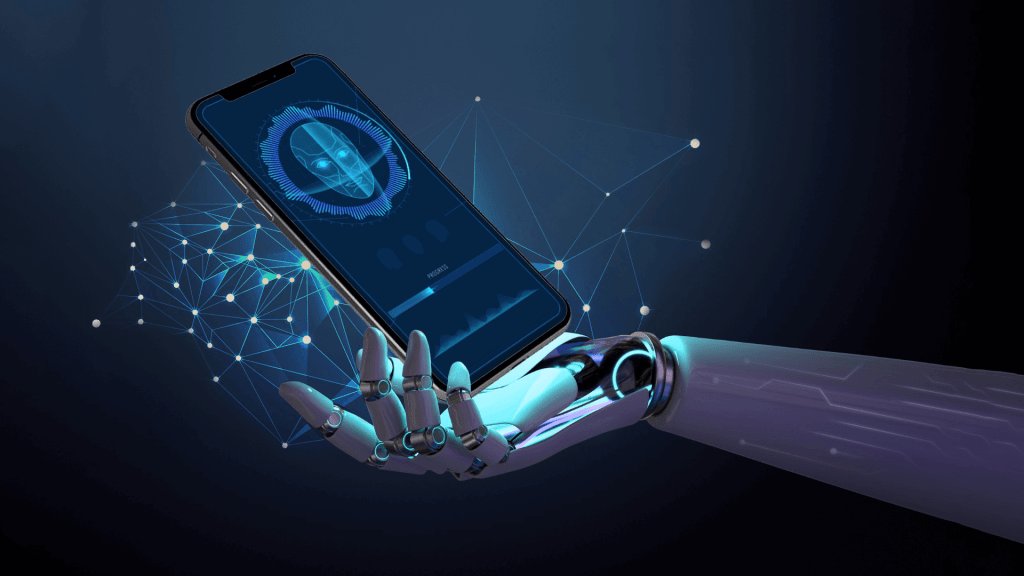
Why Private Data Matters in Generative AI
Private data fuels the creation of powerful generative AI models that can analyze, predict, and generate new content. Whether it’s customer behavior patterns or sensitive business insights, this data is critical to enhancing the capabilities of AI models.
However, using private data in generative AI models presents risks:
- Risk of Data Breaches: Without proper protection, private data could be vulnerable to cyber-attacks or unintended exposure.
- Legal Responsibilities: Organizations must comply with strict data privacy laws that mandate how data is collected, stored, and processed.
- Maintaining Data Integrity: For AI models to produce useful results, the private data used must be accurate, complete, and reliable.
These factors underscore the importance of secure practices during generative AI application development with private data integration.
Key Approaches to Secure Private Data Integration
To mitigate risks, developers can apply several techniques to ensure private data remains secure in generative AI applications:
- Homomorphic Encryption: This method allows AI models to compute on encrypted data, eliminating the need to decrypt it during analysis. This means private data can remain encrypted throughout the AI training and processing phase.
- Secure Multi-Party Computation (SMPC): SMPC allows multiple parties to work on a shared computation without revealing their private inputs. This technique ensures that the private data involved in training or decision-making processes is never fully exposed.
- Data Anonymization: In cases where personal data is not required, anonymization techniques can strip identifying information from datasets. This is particularly useful in sectors like healthcare, where personal data must be protected, but anonymized records can still provide valuable insights.
These approaches ensure that generative AI application development with private data integration is both secure and compliant with data privacy regulations.
Benefits of Integrating Private Data in Generative AI
By integrating private data securely, businesses can enhance the power of their generative AI systems:
- Hyper-Personalized Experiences: AI models that use secure private data can tailor outputs to individual preferences, leading to enhanced user satisfaction.
- Enhanced Operational Efficiency: With access to accurate and confidential data, AI-driven applications can automate tasks and processes, improving operational efficiency.
- Data-Driven Innovation: Private data integrated securely into generative AI systems can lead to the development of innovative new services or products, giving businesses a competitive edge.
Thus, generative AI application development with private data integration becomes an indispensable strategy for businesses that want to stay at the forefront of AI-driven transformation.
Potential Challenges in Secure Data Integration
While the benefits are significant, there are challenges to implementing secure private data integration:
- Technological Complexity: Secure data integration techniques like homomorphic encryption and SMPC require specialized expertise and can be resource-intensive.
- Balancing Security and Performance: Adding layers of security can slow down AI model training or performance, posing a challenge when speed and efficiency are critical.
- Regulatory Compliance: Navigating global data privacy regulations can be a challenge for businesses operating in multiple jurisdictions.
Overcoming these hurdles will be key to making generative AI application development with private data integration both feasible and scalable for organizations.
Conclusion
The integration of secure private data in generative AI development is an essential step in maximizing the potential of AI systems while safeguarding privacy and compliance. By implementing secure techniques like homomorphic encryption, SMPC, and data anonymization, businesses can build robust, scalable generative AI applications that leverage private data without compromising security. As generative AI continues to evolve, secure data integration practices will become even more critical in driving innovation and maintaining user trust.


Leave a comment