Introduction to AI for Portfolio Management
In recent years, the financial industry has seen a surge in the adoption of artificial intelligence (AI) for portfolio management. This transformative technology is changing the way investors approach their portfolios, offering new levels of efficiency, accuracy, and insight. As AI continues to evolve, its applications in portfolio management become increasingly significant, driving better investment strategies and enhanced performance. This article explores how AI is reshaping portfolio management, the benefits it brings, and its future potential.
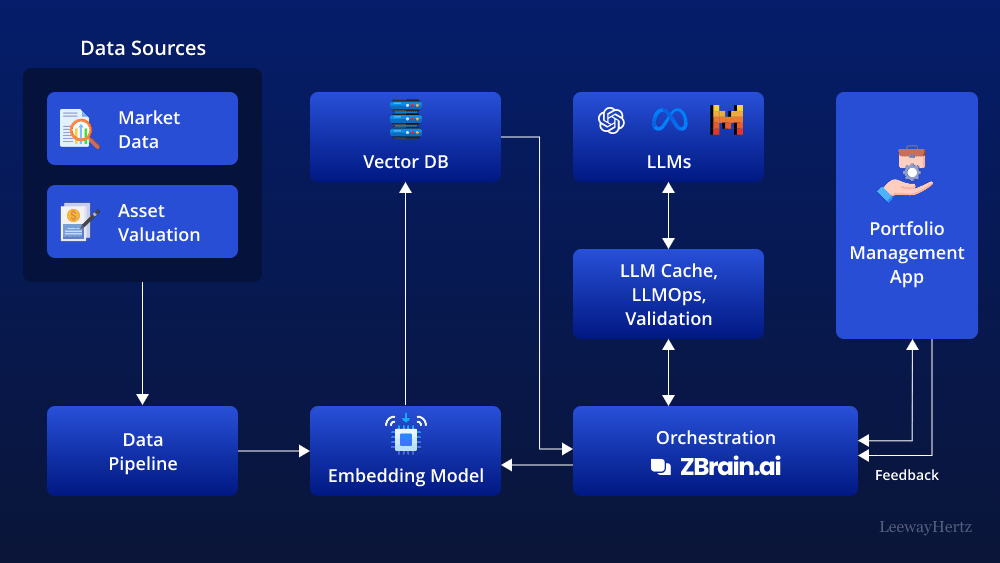
Understanding AI for Portfolio Management
AI for portfolio management refers to the use of artificial intelligence technologies to optimize and manage investment portfolios. AI systems leverage machine learning, data analysis, and predictive algorithms to make informed decisions about asset allocation, risk management, and investment strategies. These systems analyze vast amounts of financial data, including market trends, historical performance, and economic indicators, to provide actionable insights and recommendations.
Benefits of AI for Portfolio Management
- Enhanced Decision-Making
One of the primary benefits of AI for portfolio management is its ability to enhance decision-making. Traditional investment strategies often rely on historical data and human intuition. In contrast, AI algorithms process and analyze real-time data to identify patterns and trends that might be missed by human analysts. This leads to more informed and accurate investment decisions, improving overall portfolio performance.
- Risk Management
AI for portfolio management plays a crucial role in managing and mitigating risk. AI systems can assess and model various risk factors, including market volatility, economic changes, and geopolitical events. By analyzing these risks, AI can help investors diversify their portfolios more effectively and develop strategies to protect against potential losses. This proactive approach to risk management ensures that portfolios are better positioned to withstand market fluctuations.
- Cost Efficiency
Implementing AI in portfolio management can significantly reduce costs associated with manual analysis and decision-making. Automated systems can handle complex data processing tasks quickly and accurately, minimizing the need for extensive human intervention. This not only lowers operational costs but also allows for more frequent portfolio adjustments and updates, enhancing overall efficiency.
- Personalized Investment Strategies
AI for portfolio management enables the creation of highly personalized investment strategies. By analyzing individual investor preferences, goals, and risk tolerance, AI systems can tailor portfolios to meet specific needs. This level of customization ensures that investment strategies align with personal objectives, resulting in a more satisfying and effective investment experience.
Challenges and Considerations
While AI offers numerous advantages, there are also challenges to consider when implementing AI for portfolio management. One of the main challenges is ensuring data quality and accuracy. AI systems rely on high-quality data to generate reliable insights. If the data is flawed or incomplete, it can lead to suboptimal investment decisions.
Another consideration is the potential for over-reliance on AI. While AI can provide valuable insights, it is essential to balance its recommendations with human judgment and expertise. Human oversight remains crucial to interpreting AI-generated data and making final investment decisions.
The Future of AI in Portfolio Management
The future of AI for portfolio management looks promising, with ongoing advancements in technology and data analysis. As AI continues to evolve, we can expect even more sophisticated algorithms and tools that enhance investment strategies and decision-making processes. Innovations such as natural language processing and advanced predictive analytics will further refine AI’s capabilities, offering deeper insights and more precise recommendations.
Moreover, the integration of AI with other emerging technologies, such as blockchain and big data analytics, will likely lead to new opportunities and efficiencies in portfolio management. These advancements will enable more seamless and secure transactions, better data integration, and enhanced transparency.
Conclusion
AI is revolutionizing portfolio management by providing enhanced decision-making, improved risk management, cost efficiency, and personalized investment strategies. While there are challenges to address, the benefits of AI in this field are substantial and transformative. As technology continues to advance, AI for portfolio management will undoubtedly play an increasingly pivotal role in shaping the future of investing. Investors who embrace AI and leverage its capabilities will be well-positioned to achieve their financial goals and navigate the complexities of the modern market.
 New Tech news
Leave a comment