Introduction: Rethinking the Returns Process
The returns process can be a significant pain point for both businesses and customers. Traditional return processes are often complex, time-consuming, and costly, leading to customer dissatisfaction and reduced profitability. However, AI is revolutionizing reverse logistics, offering innovative solutions to streamline the returns process, reduce costs, and improve customer satisfaction. AI in returns management optimizes the entire return lifecycle, from initiation to processing and fulfillment.
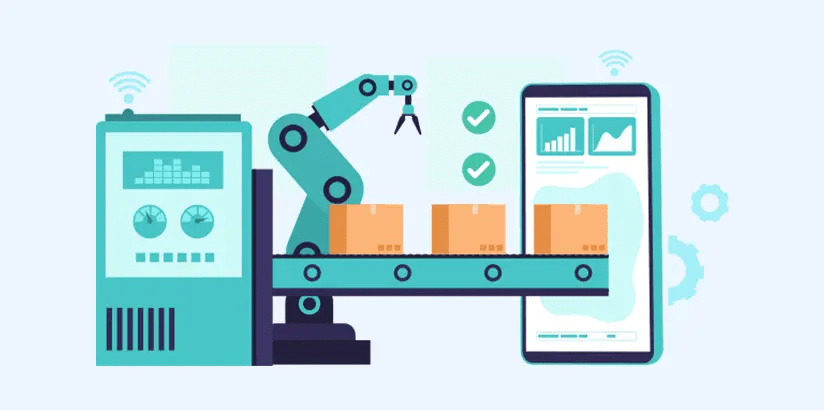
Automated Eligibility: Quick and Accurate Verification
One of the key challenges in returns management is determining the eligibility of a return. AI can automate this process by analyzing order data, warranty information, and return policies to instantly verify whether a return is valid. This eliminates the need for manual review and reduces the risk of errors. AI in return management can also generate return labels and provide customers with clear instructions on how to package and ship their returns.
AI-Powered Inspection: Fast and Efficient Sorting
Once a return is received, AI can automate the inspection and sorting process. By using image recognition technology, AI can quickly assess the condition of the returned item and determine whether it is eligible for resale or needs to be repaired or disposed of. This speeds up the processing time and reduces the need for manual inspection.
Optimized Routing: Getting Items Back into Circulation
AI can also optimize the routing of returned items. Based on the condition of the item and the demand for the product, AI can determine the most efficient way to handle the return, whether it’s reselling it online, returning it to inventory, or sending it to a repair facility. This minimizes transportation costs and reduces the time it takes to get the item back into circulation.
Improved Communication: Keeping Customers Informed
Furthermore, AI can improve customer communication throughout the returns process. AI-powered chatbots can provide customers with real-time updates on the status of their return, answer questions about the return policy, and resolve any issues that may arise. This keeps customers informed and reduces the need for them to contact customer support.
Conclusion: A More Efficient and Customer-Friendly Returns Process
By implementing AI in returns management, businesses can significantly reduce costs, improve efficiency, and enhance customer satisfaction. AI helps create a more seamless and transparent return process, making it easier for customers to return items and building trust in the brand. The key to success is to choose the right AI-powered solutions and integrate them seamlessly with existing systems. AI in returns management is transforming reverse logistics, making it more efficient, cost-effective, and customer-friendly.
 New Tech news
Leave a comment