In today’s fast-paced digital world, businesses are constantly seeking innovative ways to optimize their workflows and boost productivity. One of the most transformative technologies driving this evolution is AI agents for dynamic knowledge creation. These intelligent systems are designed to gather, analyze, and organize information in real-time, enabling organizations to maintain up-to-date knowledge bases that streamline decision-making and improve operational efficiency.
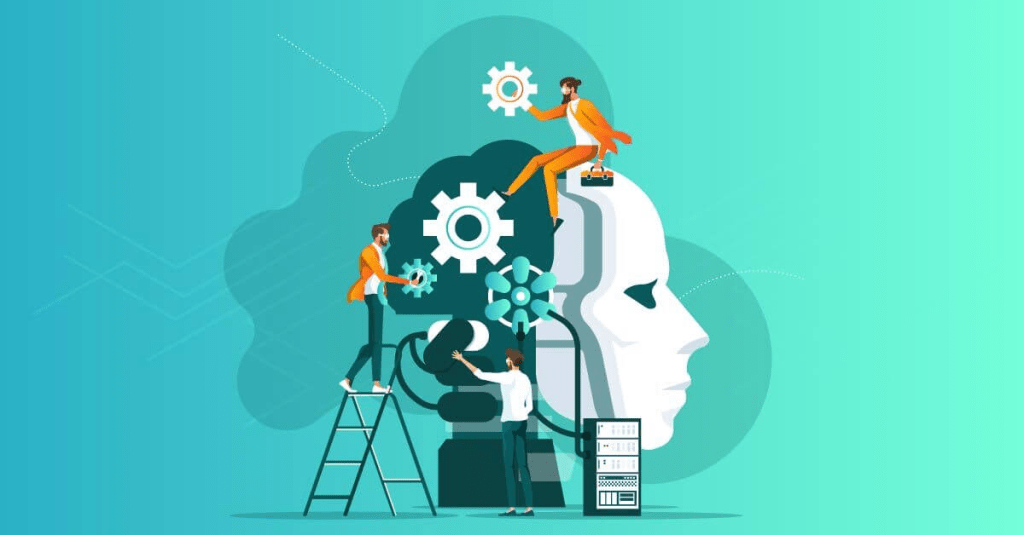
What Are AI Agents for Dynamic Knowledge Creation?
AI agents for dynamic knowledge creation are advanced software systems that leverage artificial intelligence (AI) and machine learning (ML) to continuously collect and update information from diverse sources. Unlike traditional static knowledge bases that require manual input and periodic updates, these AI agents automate the process of knowledge acquisition and organization.
By analyzing data from internal documents, customer interactions, market trends, and other sources, AI agents create a comprehensive, up-to-date repository of information. This dynamic knowledge base serves as a central hub that employees can access to find accurate and relevant information instantly, enhancing their decision-making and productivity.
How AI Agents Simplify Workflows
Implementing AI agents for dynamic knowledge creation can significantly simplify workflows in several key ways:
1. Automated Data Collection and Organization
One of the primary advantages of AI agents is their ability to automatically gather and organize data from various sources. Instead of manually searching through emails, reports, and databases, employees can rely on AI agents to collect and categorize relevant information. This automation reduces the time and effort required for data gathering, allowing teams to focus on higher-value tasks.
2. Real-Time Updates and Accuracy
Traditional knowledge bases can quickly become outdated, leading to misinformation and poor decision-making. AI agents continuously monitor data sources and update the knowledge base in real-time, ensuring that employees always have access to the latest information. This dynamic approach improves accuracy and helps organizations stay agile in rapidly changing environments.
3. Improved Collaboration and Knowledge Sharing
AI agents facilitate seamless collaboration by centralizing information and making it easily accessible to all team members. Employees can quickly find the information they need without relying on colleagues or searching through multiple systems. This improved knowledge sharing enhances teamwork, reduces communication barriers, and accelerates project completion.
4. Enhanced Decision-Making
Access to accurate, up-to-date information is crucial for effective decision-making. AI agents analyze large volumes of data to identify patterns, trends, and insights that may not be immediately apparent. By presenting this information in a clear and concise manner, AI agents empower employees to make informed decisions quickly and confidently.
5. Personalized Information Delivery
AI agents can be customized to deliver information tailored to the specific needs of each user. By understanding individual preferences and workflows, these systems provide relevant insights and recommendations, helping employees work more efficiently and effectively.
6. Streamlined Onboarding and Training
For new employees, accessing the right information quickly is essential for a smooth onboarding process. AI agents provide instant access to company policies, procedures, and best practices, reducing the time and resources needed for training. This streamlined onboarding process helps new hires become productive members of the team faster.
Real-World Applications of AI Agents for Dynamic Knowledge Creation
The benefits of AI agents for dynamic knowledge creation extend across various industries, including:
1. Customer Service
AI agents empower customer service teams by providing instant access to product information, troubleshooting guides, and customer history. This enables representatives to resolve inquiries faster and deliver a more personalized customer experience.
2. Healthcare
In healthcare, AI agents continuously update knowledge bases with the latest medical research, treatment protocols, and patient data. This ensures that healthcare professionals have access to the most current information, improving patient care and treatment outcomes.
3. Finance
Financial institutions use AI agents to monitor market trends, regulatory changes, and customer data. This real-time information helps financial professionals make informed investment decisions and ensure compliance with industry regulations.
4. Manufacturing
AI agents streamline manufacturing workflows by monitoring equipment performance, supply chain status, and production schedules. This real-time data allows managers to optimize processes, reduce downtime, and improve product quality.
5. Education
Educational institutions use AI agents to create dynamic knowledge bases that provide students and faculty with instant access to course materials, research articles, and academic resources. This enhances the learning experience and supports continuous education.
Benefits of Using AI Agents for Dynamic Knowledge Creation
The implementation of AI agents for dynamic knowledge creation offers numerous benefits, including:
- Increased Efficiency: Automating data collection and organization reduces manual tasks, saving time and resources.
- Improved Accuracy: Real-time updates ensure that information is always accurate and relevant.
- Enhanced Productivity: Instant access to information helps employees complete tasks faster and more effectively.
- Better Collaboration: Centralized knowledge sharing fosters collaboration and communication.
- Scalability: AI agents can handle large volumes of data, making them ideal for growing organizations.
Future of AI Agents in Workflow Automation
As AI technology continues to advance, the capabilities of AI agents for dynamic knowledge creation will become even more sophisticated. Future developments may include enhanced natural language processing (NLP) for better information retrieval, predictive analytics for proactive decision-making, and seamless integration with other digital tools and platforms.
These advancements will further streamline workflows, increase productivity, and enable organizations to stay competitive in an increasingly digital world.
Conclusion
AI agents for dynamic knowledge creation are transforming the way organizations manage information and optimize workflows. By automating data collection, ensuring real-time updates, and improving collaboration, these intelligent systems empower employees to work more efficiently and make better decisions.
As businesses continue to embrace digital transformation, the adoption of AI agents will become essential for maintaining a competitive edge. Investing in this technology not only simplifies workflows but also drives innovation, productivity, and long-term success.
For organizations looking to enhance their knowledge management processes, integrating AI agents for dynamic knowledge creation is a game-changing solution that delivers tangible benefits across all areas of operation.
 New Tech news
Leave a comment