Managing risks is a critical component of any business or organizational strategy. The introduction of AI agents in risk management has significantly transformed this landscape, offering advanced tools and techniques for identifying, assessing, and mitigating risks. This article explores how AI agents are shaping the future of risk management, their benefits, and the challenges they address.
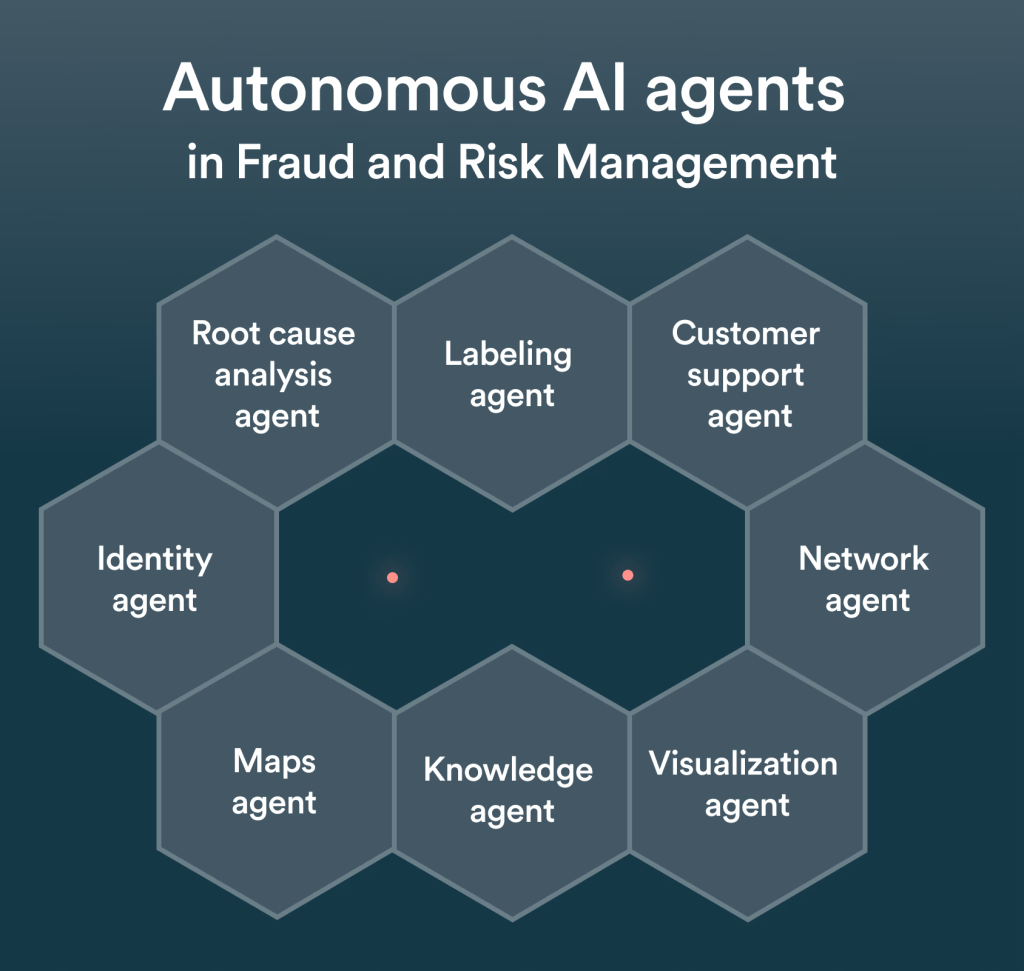
Understanding AI Agents in Risk Management
AI agents are sophisticated systems designed to automate and optimize tasks traditionally handled by humans. In risk management, these agents analyze vast amounts of data, detect patterns, and generate insights that help organizations make informed decisions.
These tools are equipped with machine learning algorithms that continuously evolve, enabling them to adapt to emerging risks and provide predictive analytics. Whether it’s in financial markets, healthcare, or supply chain management, AI agents in risk management are becoming indispensable for proactive decision-making.
Key Benefits of AI Agents in Risk Management
The integration of AI agents into risk management practices provides numerous advantages, such as:
1. Enhanced Data Analysis
AI agents can process and analyze large datasets at unprecedented speed. This capability is essential for risk management, where timely insights are crucial. By sifting through historical and real-time data, these agents identify potential risks and trends that human analysis might overlook.
2. Improved Accuracy
Human error is a significant challenge in traditional risk management. AI agents reduce these errors by using algorithms that eliminate bias and improve accuracy. This leads to more reliable risk assessments and better decision-making.
3. Predictive Analytics
One of the most valuable contributions of AI agents in risk management is their ability to predict future risks. By analyzing historical data and identifying patterns, these systems can forecast potential issues, giving organizations a critical advantage in planning and mitigation.
4. Cost Efficiency
By automating repetitive tasks, AI agents save time and reduce operational costs. Organizations can allocate resources more effectively, focusing on strategic areas that require human expertise.
Applications of AI Agents in Risk Management
The versatility of AI agents makes them applicable across various industries. Here are some of the most impactful use cases:
1. Financial Risk Management
In the financial sector, AI agents monitor market fluctuations, assess credit risks, and detect fraudulent activities. Their ability to process real-time data ensures that organizations can respond to threats promptly.
2. Supply Chain Risk Management
AI agents optimize supply chain operations by predicting disruptions, such as delays or shortages. They also assess supplier risks and recommend alternative strategies to maintain efficiency.
3. Cybersecurity Risk Management
With the rise of cyber threats, AI agents are crucial for identifying vulnerabilities and preventing attacks. They monitor network activity, detect anomalies, and respond to potential breaches in real time.
4. Environmental and Operational Risks
AI agents help organizations anticipate and address environmental risks, such as natural disasters or regulatory changes. In operational risk management, they enhance decision-making by analyzing equipment performance and predicting failures.
Challenges and Considerations
While AI agents in risk management offer remarkable benefits, their adoption comes with challenges:
1. Data Privacy Concerns
AI systems require access to vast amounts of data, which raises concerns about privacy and security. Organizations must ensure that data handling complies with regulations and ethical standards.
2. Implementation Costs
Integrating AI agents into risk management systems involves significant initial investment. This includes software, infrastructure, and training costs, which may be a barrier for smaller organizations.
3. Dependence on Data Quality
The effectiveness of AI agents depends on the quality and accuracy of the data they process. Incomplete or biased data can lead to flawed insights, undermining the benefits of these systems.
4. Ethical Implications
The use of AI in decision-making raises ethical questions about accountability. Organizations must establish clear guidelines to address potential biases and ensure transparency in their risk management practices.
The Future of AI Agents in Risk Management
The role of AI agents in risk management is expected to grow significantly as technology advances. Innovations in machine learning and data analytics will enable these systems to address more complex risks and provide even greater accuracy.
Furthermore, as organizations continue to embrace digital transformation, the demand for AI-driven solutions will increase. AI agents in risk management will not only enhance operational efficiency but also empower organizations to navigate uncertainties with confidence.
Conclusion
AI agents in risk management are revolutionizing how organizations identify, assess, and respond to risks. Their ability to analyze vast datasets, predict potential issues, and provide actionable insights makes them invaluable tools in today’s fast-paced world.
While challenges like data privacy and implementation costs must be addressed, the benefits of AI agents far outweigh the drawbacks. As these technologies continue to evolve, they will play an even more critical role in ensuring organizational resilience and success.
 New Tech news
Leave a comment