Introduction: The Rise of AI Agents in Content Creation
In recent years, the digital world has witnessed a dramatic shift with the introduction of AI agents in content creation. These advanced systems are transforming how content is produced, consumed, and shared, making it easier and faster for individuals and businesses alike to create engaging and relevant material. As the demand for high-quality content grows, AI agents have become indispensable tools, helping content creators streamline their workflows and enhance the creative process.
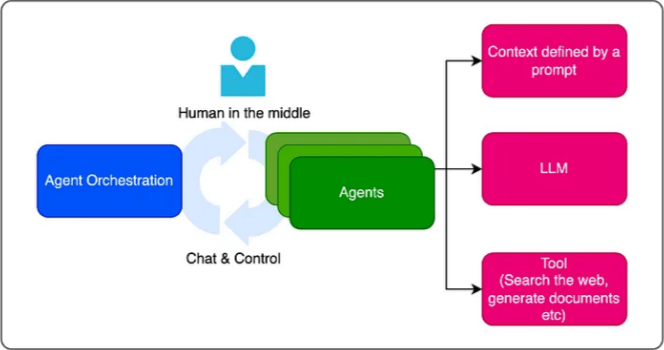
What Are AI Agents in Content Creation?
AI agents are software programs powered by artificial intelligence that assist in various aspects of content production. These systems can generate, edit, and optimize content in a fraction of the time it would take a human. By analyzing vast amounts of data, AI agents can understand trends, preferences, and user behavior, helping creators produce content that resonates with their audience.
AI agents in content creation come in different forms, from automated writing assistants and image generators to video editing tools and social media managers. These tools leverage machine learning algorithms, natural language processing (NLP), and computer vision technologies to mimic human creativity and improve content quality.
Benefits of Using AI Agents in Content Creation
1. Enhanced Productivity and Efficiency
One of the key advantages of using AI agents in content creation is the significant boost in productivity. Tasks that would traditionally take hours or even days, such as drafting articles, creating social media posts, or editing videos, can now be completed in a fraction of the time. AI agents can generate content ideas, write drafts, and even provide suggestions for optimization, allowing creators to focus on more complex and creative tasks.
Moreover, AI-powered tools can work around the clock, producing content at any time, without the need for breaks or rest. This enables content creators to scale their operations quickly and meet tight deadlines without compromising quality.
2. Cost-Effectiveness
Hiring a team of writers, designers, and editors can be expensive, especially for small businesses or individual content creators. By integrating AI agents into the content creation process, companies can significantly reduce labor costs. AI tools can handle repetitive tasks like proofreading, grammar checking, and image resizing, freeing up human resources to focus on strategy and innovation.
Additionally, AI agents can analyze audience data to suggest improvements in content performance, ensuring that creators are always producing content that maximizes engagement and reach.
3. Personalized Content Creation
AI agents are capable of analyzing user data and generating personalized content that aligns with specific preferences. By leveraging machine learning, these systems can understand the nuances of a target audience, tailoring content to their interests, behaviors, and browsing habits.
This ability to create personalized content has been especially valuable in the realm of digital marketing, where delivering the right message to the right person at the right time is crucial. With AI, businesses can automate the process of content segmentation and deliver highly relevant material that boosts user engagement.
4. Creative Assistance and Inspiration
While AI agents are not yet capable of full creative autonomy, they can still assist in the creative process by offering new ideas and suggestions. Whether it’s generating headlines, brainstorming blog post topics, or proposing design concepts, AI tools can serve as a helpful starting point for content creators.
For instance, AI agents in content creation can analyze trending topics and industry-related data to recommend subjects that are likely to resonate with the audience. This data-driven approach helps creators stay ahead of trends and ensures their content remains fresh and relevant.
How AI Agents Are Shaping the Future of Content Creation
1. Automation of Content Production
As AI agents continue to evolve, they are likely to play an even larger role in the automation of content production. Content creators can expect to see more advanced AI tools that not only generate text and visuals but also automatically optimize content for SEO, ensure it aligns with branding guidelines, and distribute it across multiple platforms.
By automating these tasks, creators can significantly reduce the time spent on content production and focus on developing more high-level strategies, such as audience engagement and brand positioning.
2. Data-Driven Content Strategies
AI agents excel in data analysis, making them valuable assets in the development of data-driven content strategies. These tools can track and analyze audience behavior, identifying patterns and trends that inform content decisions. By understanding what types of content perform best, AI can help creators make more informed choices and optimize their content strategies for greater impact.
For example, AI can provide insights into the most effective keywords, posting times, and content formats, enabling creators to optimize their work for maximum engagement and reach.
3. Advanced Content Customization
As AI agents become more sophisticated, they will be able to offer even greater levels of customization. Instead of just creating generic content, AI systems will be able to generate content that adapts to individual users in real-time. This could mean creating dynamic content that changes based on user location, browsing history, or even emotional responses.
The ability to create content that is highly personalized and contextually relevant will make AI-powered content creation even more powerful, further enhancing the user experience.
Challenges and Considerations
While AI agents offer numerous benefits in content creation, there are also challenges to consider. One major concern is the potential loss of human creativity. While AI can assist in generating content, it may lack the nuance, emotion, and originality that human creators bring to the table. Therefore, AI should be seen as a tool to complement human creativity, not replace it.
Another challenge is ensuring the ethical use of AI in content creation. As AI tools become more prevalent, it is important to consider issues related to plagiarism, data privacy, and the authenticity of AI-generated content. Content creators and businesses must be mindful of these considerations to maintain trust with their audiences.
Conclusion
AI agents in content creation are transforming the digital landscape by offering increased efficiency, cost-effectiveness, and personalization. These intelligent tools are reshaping how content is produced and consumed, allowing creators to optimize their workflows and deliver more relevant, engaging content to their audiences.
As AI continues to advance, the future of content creation looks bright, with even more innovative solutions on the horizon. However, it’s crucial to strike the right balance between automation and human creativity, ensuring that AI serves as a valuable tool in the creative process rather than a replacement for it. By embracing AI agents, content creators can unlock new possibilities and stay ahead of the curve in a competitive digital world.
 New Tech news
Leave a comment