Introduction
In today’s rapidly evolving technological landscape, artificial intelligence (AI) has emerged as a pivotal force across various industries. One of the most significant areas where AI is making a substantial impact is in the legal sector. With increasing regulations and the demand for transparency, compliance in legal practices has become a paramount concern. This article explores how AI agents in legal settings are transforming compliance processes, enhancing efficiency, and ensuring adherence to legal standards.
Understanding Compliance in the Legal Context
Compliance refers to the adherence to laws, regulations, and internal policies within an organization. In the legal context, it encompasses a wide range of practices, from ensuring that legal documents are accurate to maintaining ethical standards in client interactions. Legal compliance is essential not only for avoiding legal repercussions but also for maintaining a firm’s reputation and trustworthiness in the eyes of clients and regulatory bodies.
In recent years, the complexity of compliance has increased due to the proliferation of regulations and the dynamic nature of laws. Legal professionals are now tasked with navigating a complex web of requirements, making it imperative for them to employ efficient tools and strategies. This is where AI agents in legal come into play.
The Emergence of AI Agents in Legal
AI agents in legal are sophisticated software programs designed to assist legal professionals in various tasks. These agents can analyze vast amounts of data, identify patterns, and provide insights that would be nearly impossible for humans to achieve alone. The introduction of AI into the legal sector marks a significant shift in how compliance is approached, providing lawyers and legal teams with the tools necessary to streamline their processes.
Streamlining Document Review and Analysis
One of the most time-consuming aspects of legal compliance is document review. Legal professionals must ensure that all documents comply with relevant laws and regulations. AI agents can automate the document review process, quickly scanning and analyzing thousands of documents to identify any potential compliance issues. This not only saves time but also reduces the risk of human error, which can have serious consequences in legal matters.
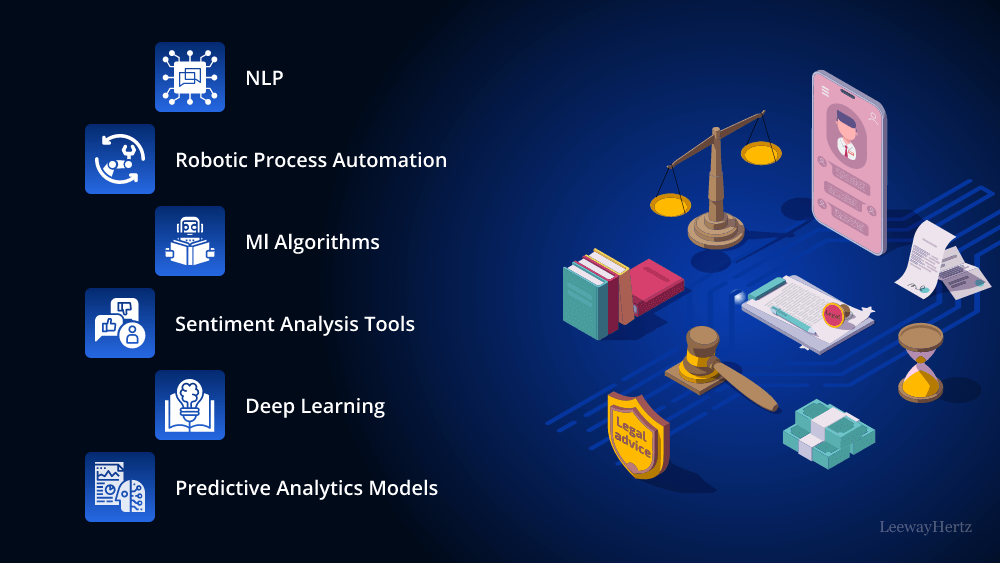
AI agents utilize natural language processing (NLP) and machine learning algorithms to understand legal terminology and context. By doing so, they can flag inconsistencies or discrepancies within documents, helping legal teams to address compliance issues before they escalate.
Enhancing Due Diligence Processes
Due diligence is a critical aspect of legal compliance, especially in corporate transactions and mergers. It involves thoroughly assessing the legal and financial aspects of a company to ensure that there are no hidden risks or liabilities. AI agents can enhance due diligence processes by analyzing historical data, contracts, and regulatory filings to identify potential red flags.
By leveraging AI, legal professionals can conduct more comprehensive due diligence in a fraction of the time it would take using traditional methods. This increased efficiency allows firms to make informed decisions and mitigate risks effectively.
Monitoring Regulatory Changes
The legal landscape is constantly evolving, with new regulations and changes to existing laws emerging regularly. Staying updated on these changes is vital for maintaining compliance. AI agents in legal can monitor regulatory changes in real-time, providing legal teams with timely alerts about new requirements that may impact their operations.
By automating the monitoring process, AI agents enable legal professionals to focus on strategic compliance planning rather than getting bogged down in administrative tasks. This proactive approach to compliance helps organizations remain agile and responsive to regulatory shifts.
Improving Risk Management
Effective risk management is a cornerstone of compliance in legal practices. AI agents can analyze vast datasets to identify potential risks associated with specific actions or decisions. By assessing patterns and trends, these agents provide valuable insights into areas that may pose compliance challenges.
For instance, AI can help identify industries or sectors that are more prone to regulatory scrutiny, enabling legal teams to allocate resources more effectively. Additionally, AI agents can assess the potential impact of non-compliance, allowing organizations to prioritize their compliance efforts based on risk assessments.
Enhancing Legal Research
Legal research is another area where AI agents in legal are making a significant impact. Traditionally, legal research involved sifting through extensive legal databases, case law, and statutes to find relevant information. AI agents can expedite this process by quickly searching through large volumes of legal texts to identify pertinent cases and regulations.
By providing legal professionals with accurate and relevant information in a timely manner, AI agents enhance the quality of legal research and support better decision-making. This efficiency allows legal teams to focus on more strategic aspects of their work, ultimately benefiting their clients.
Conclusion
The integration of AI agents in legal practices represents a significant advancement in the field of compliance. By automating routine tasks, enhancing due diligence, and improving risk management, these agents enable legal professionals to navigate the complexities of compliance more effectively. As the legal landscape continues to evolve, embracing AI technology will be essential for firms striving to maintain high standards of compliance while providing exceptional service to their clients.
The future of legal compliance is undeniably intertwined with the capabilities of AI agents in legal. As these technologies continue to advance, legal professionals must adapt to leverage their full potential, ensuring that they remain compliant and competitive in an ever-changing regulatory environment.
 New Tech news
Leave a comment