Introduction
Compliance plays a crucial role in the legal sector, ensuring that organizations adhere to regulations, laws, and ethical standards. With the rise of advanced technologies like AI agents, the landscape of legal compliance is transforming, offering new opportunities for efficiency and accuracy. However, leveraging AI agents in legal compliance requires careful consideration of their capabilities and limitations. This article explores how AI agents are shaping compliance in the legal sector, highlighting the benefits, challenges, and best practices for integrating AI in legal workflows.
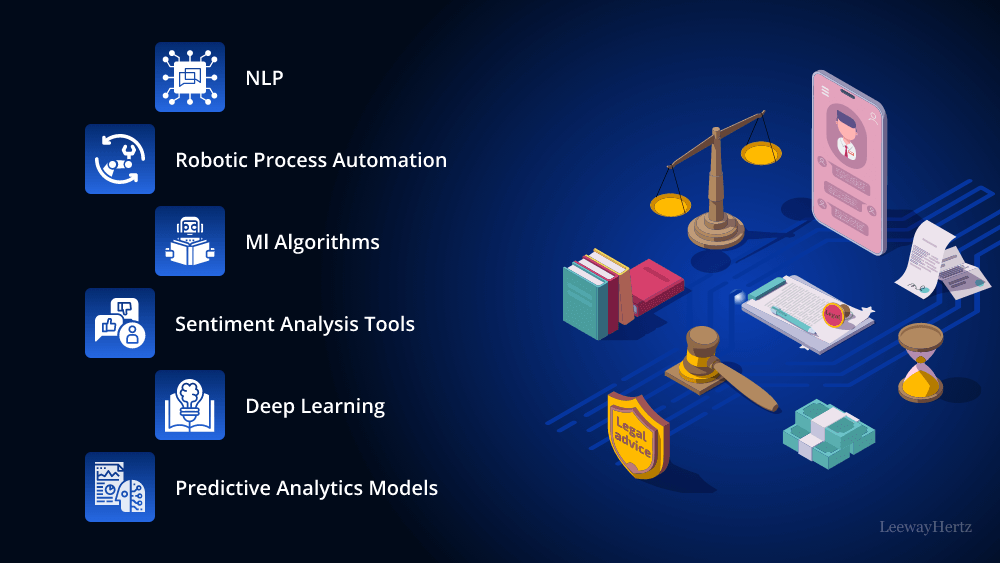
The Role of AI Agents in Legal Compliance
AI agents have become valuable tools in the legal industry, automating tasks and improving decision-making processes. In compliance, AI agents can analyze vast amounts of data, monitor changes in regulations, and ensure that legal practices conform to the necessary standards. These agents can assist in various areas, including contract management, risk assessment, and regulatory compliance. By automating repetitive and time-consuming tasks, AI agents enable legal professionals to focus on more strategic aspects of their work, improving productivity and reducing the risk of human error.
One of the key strengths of AI agents in legal compliance is their ability to process large volumes of data quickly and accurately. Legal professionals often need to sift through numerous documents and regulations to ensure compliance with local, national, and international laws. AI agents can be programmed to scan, interpret, and highlight relevant regulations, saving time and ensuring that no critical detail is overlooked. This technology can provide legal teams with up-to-date information, allowing them to stay ahead of regulatory changes.
How AI Agents Enhance Risk Management
Risk management is an essential component of legal compliance. Organizations must identify, assess, and mitigate legal risks to avoid penalties, lawsuits, and reputational damage. AI agents in legal can assist with identifying potential risks by analyzing past cases, contracts, and regulatory changes. These agents can identify patterns and trends that may indicate future legal challenges, enabling legal teams to take proactive steps to mitigate risks.
For example, AI agents can be used to scan contracts for clauses that may be outdated or non-compliant with current laws. This ensures that organizations remain in line with legal requirements, reducing the risk of breaches or disputes. AI can also predict possible legal outcomes based on past data, helping legal teams make more informed decisions regarding risk management strategies. In this way, AI agents are becoming invaluable tools in mitigating legal risks and maintaining compliance.
AI Agents in Regulatory Compliance Monitoring
The regulatory environment is constantly evolving, and legal professionals must keep up with these changes to ensure compliance. AI agents can play a significant role in regulatory compliance monitoring, helping legal teams stay informed about new laws, amendments, and industry-specific regulations. AI agents can be programmed to monitor regulatory updates automatically and alert legal teams to any changes that may affect their clients or organizations.
By using AI agents, legal professionals can automate the process of regulatory tracking, reducing the manual workload and minimizing the risk of missing important updates. This is particularly beneficial in industries that are heavily regulated, such as finance, healthcare, and real estate. AI agents help ensure that legal teams remain compliant by continuously monitoring the regulatory landscape and providing timely insights.
Moreover, AI agents can also help with cross-border compliance, especially for multinational organizations. Legal requirements differ from one jurisdiction to another, and keeping track of these differences can be overwhelming. AI agents can analyze local and international regulations, ensuring that organizations remain compliant across multiple regions. This capability is especially critical in today’s globalized world, where businesses often operate in multiple legal environments.
Ethical and Privacy Considerations in AI Use
While AI agents offer numerous benefits in legal compliance, it is essential to consider the ethical and privacy implications of their use. AI systems rely on vast amounts of data, and legal professionals must ensure that they handle sensitive client information responsibly. Privacy laws, such as GDPR and other data protection regulations, must be followed when using AI in legal compliance to avoid breaches of confidentiality.
Legal teams must also ensure that the AI systems they use are transparent and free from biases. AI algorithms can sometimes reflect biases present in the data they are trained on, potentially leading to unfair or discriminatory outcomes. To mitigate this, legal professionals should audit their AI systems regularly and implement measures to ensure fairness, transparency, and accountability. AI agents should be designed and used in a way that upholds the legal profession’s ethical standards while complying with data protection regulations.
The Future of AI Agents in Legal Compliance
The future of legal compliance is undoubtedly intertwined with the continued advancement of AI agents. As AI technology evolves, it will play an even more prominent role in compliance tasks, offering more sophisticated analysis, prediction, and automation capabilities. However, for legal professionals to fully harness the potential of AI, they must understand its limitations and work alongside these systems rather than rely on them entirely.
In the coming years, AI agents are expected to become more user-friendly and adaptable to various legal contexts. Legal teams will be able to customize AI tools to meet their specific compliance needs, improving efficiency while maintaining accuracy. Furthermore, AI will likely integrate more seamlessly with other legal technologies, such as e-discovery tools and legal research platforms, creating a more comprehensive approach to compliance management.
Legal professionals should also prepare for increased regulation of AI itself. As governments and international bodies develop laws around AI use, legal teams will need to ensure that their use of AI agents remains compliant with these new regulations. The regulatory landscape surrounding AI is still in its infancy, but it is expected to grow as AI technology becomes more prevalent in legal practice.
Conclusion
AI agents are transforming the way legal professionals approach compliance, offering powerful tools to automate tasks, manage risks, and stay ahead of regulatory changes. By integrating AI into their workflows, legal teams can enhance efficiency, accuracy, and decision-making capabilities. However, it is important to use AI responsibly, keeping in mind ethical considerations and privacy regulations. The future of AI agents in legal compliance looks promising, with the potential for further innovation and improved outcomes for legal professionals and their clients alike.
 New Tech news
Leave a comment