Introduction to Vendor Qualification Assessment
In today’s rapidly evolving marketplace, organizations face numerous challenges when it comes to sourcing and managing suppliers. Vendor qualification assessment is a critical process that ensures businesses partner with reliable and capable vendors. This assessment not only involves evaluating a vendor’s financial stability and compliance with regulations but also encompasses their ability to meet specific operational standards. In recent years, the integration of AI in procurement has transformed how organizations conduct these assessments, making them more efficient and effective.
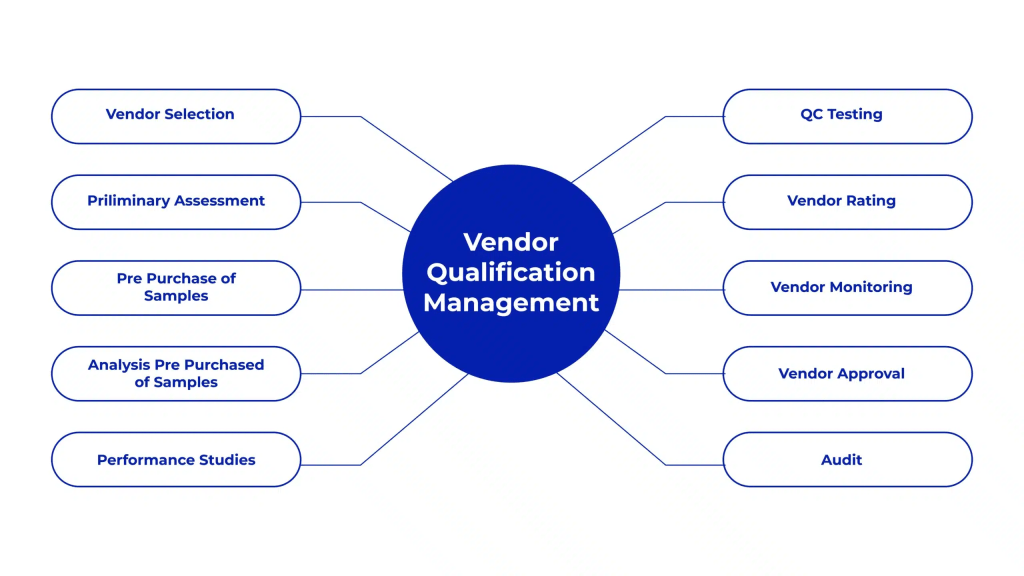
The Importance of Vendor Qualification
Vendor qualification is crucial for minimizing risks associated with supply chain disruptions. When companies engage with new vendors, they must ensure that these partners can deliver goods and services consistently and at a high quality. Failure to thoroughly vet vendors can lead to issues such as delays, compliance violations, and compromised product quality. By implementing a robust vendor qualification assessment process, organizations can identify potential risks early on and make informed decisions about their supplier relationships.
Traditional Vendor Qualification Assessment Challenges
Traditional methods of vendor qualification assessment often rely on manual processes, which can be time-consuming and prone to human error. Gathering and analyzing data from various sources, such as financial reports, compliance documents, and performance history, requires significant resources. Additionally, the lack of standardized criteria can lead to inconsistencies in assessments, resulting in poor vendor selection.
How AI in Procurement Transforms Vendor Assessment
The introduction of AI in procurement has revolutionized the vendor qualification assessment process. By leveraging advanced algorithms and machine learning, organizations can automate data collection and analysis, significantly reducing the time and effort required for assessments. Here are several ways AI enhances vendor qualification assessments:
1. Automated Data Gathering
AI tools can automatically collect data from various sources, such as supplier websites, financial databases, and compliance records. This automation not only saves time but also ensures that the data collected is up-to-date and accurate. Organizations can focus on analyzing the information rather than spending hours gathering it.
2. Enhanced Data Analysis
AI systems can analyze large volumes of data quickly and efficiently. By using predictive analytics, organizations can identify trends and potential risks associated with specific vendors. This capability allows procurement teams to make data-driven decisions and select vendors who are more likely to meet their requirements.
3. Standardized Evaluation Criteria
One of the challenges of traditional vendor assessments is the lack of standardized criteria for evaluation. AI can help establish consistent evaluation frameworks that can be applied across all vendor assessments. By setting clear benchmarks, organizations can ensure that all vendors are assessed on the same parameters, resulting in more objective comparisons.
4. Continuous Monitoring
Vendor qualification does not end once a supplier is onboarded. Continuous monitoring is essential to ensure ongoing compliance and performance. AI systems can track vendor performance in real-time, alerting procurement teams to any deviations from expected standards. This proactive approach enables organizations to address potential issues before they escalate.
5. Risk Mitigation
Using AI in procurement helps identify and mitigate risks associated with vendor relationships. By analyzing data related to a vendor’s financial stability, compliance history, and performance metrics, organizations can make informed decisions about potential risks. This capability is particularly important in industries where regulatory compliance is critical.
The Role of Machine Learning in Vendor Assessment
Machine learning, a subset of AI, plays a vital role in enhancing vendor qualification assessments. Machine learning algorithms can learn from historical data to improve the accuracy of assessments over time. For instance, these algorithms can identify patterns that indicate a vendor’s reliability based on previous performance data. As more data is collected, the algorithms become better at predicting which vendors are likely to succeed, further streamlining the qualification process.
Implementing AI in Procurement: Key Considerations
While the benefits of AI in procurement are significant, organizations must consider several factors when implementing these technologies:
1. Integration with Existing Systems
For AI tools to be effective, they must be integrated with existing procurement systems. This integration ensures a seamless flow of data and minimizes disruptions to current processes.
2. Training and Change Management
Employees must be trained to use AI tools effectively. Change management strategies should be implemented to help staff adapt to new processes and technologies.
3. Data Privacy and Security
Organizations must ensure that the data used for AI analysis is secure and complies with relevant data privacy regulations. Establishing robust data governance policies is essential to protect sensitive information.
Conclusion: The Future of Vendor Qualification Assessment
As the business landscape continues to evolve, the importance of effective vendor qualification assessment cannot be overstated. The integration of AI in procurement offers organizations a powerful tool to enhance their assessment processes, making them more efficient, accurate, and capable of mitigating risks. By adopting AI technologies, businesses can ensure they select the right vendors, ultimately contributing to their overall success and sustainability in an increasingly competitive market.
In summary, the use of AI in procurement is not just a trend; it is a necessity for organizations looking to thrive in the modern marketplace. By embracing these technologies, companies can streamline their vendor qualification assessments, reduce risks, and build stronger, more resilient supplier relationships.
 New Tech news
Leave a comment