Payroll processing is a critical function within any organization, ensuring that employees receive their salaries accurately and on time. However, errors in payroll calculations can lead to employee dissatisfaction, compliance issues, and financial discrepancies. To address these challenges, the Payroll Discrepancy Detection Agent emerges as an innovative solution. This AI-driven tool enhances the accuracy and reliability of payroll processing by detecting discrepancies and ensuring seamless payroll administration.
Understanding Payroll Discrepancies
Payroll discrepancies can occur for various reasons, including data entry errors, miscalculations, and changes in employee status or pay rates. Even small mistakes can have significant repercussions, impacting employee morale and the organization’s bottom line. Traditional payroll systems often rely on manual checks and audits, which can be time-consuming and prone to human error. As such, there is a pressing need for more efficient and accurate methods to manage payroll.
The Role of AI Agents in HR
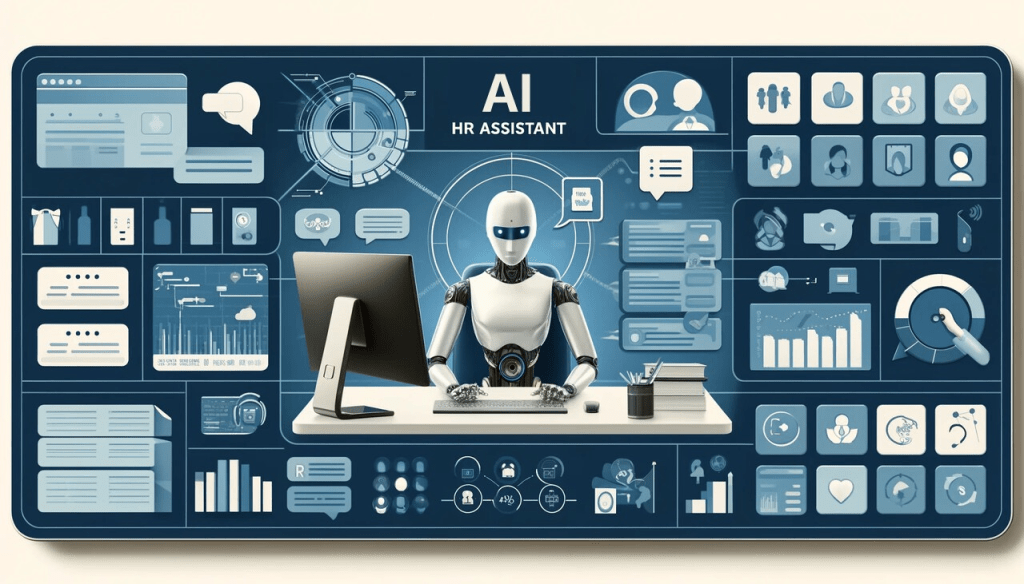
The integration of artificial intelligence in human resources has transformed many traditional processes, including payroll management. An AI agent in HR, specifically designed for payroll discrepancy detection, employs sophisticated algorithms and machine learning techniques to analyze payroll data. This technology not only identifies discrepancies but also learns from previous errors, continuously improving its accuracy over time.
How AI Agents Identify Discrepancies
- Data Analysis: The AI agent in HR processes vast amounts of payroll data from various sources, including timekeeping systems, tax records, and employee information. By cross-referencing this data, the agent can pinpoint inconsistencies that may indicate errors.
- Pattern Recognition: Utilizing machine learning, the AI agent learns to recognize patterns in payroll data. For instance, it can detect anomalies, such as an employee’s hours worked significantly differing from previous months, which could suggest a data entry mistake or potential fraud.
- Real-time Monitoring: One of the standout features of an AI agent in HR is its ability to monitor payroll data in real time. This means discrepancies can be flagged immediately, allowing HR departments to address issues promptly before payroll is processed.
- Predictive Analytics: The AI agent can also utilize predictive analytics to forecast potential payroll discrepancies based on historical data. By analyzing trends, it can alert HR professionals to areas that may require closer scrutiny, helping to prevent errors before they occur.
Benefits of Implementing an AI-Driven Solution
The introduction of a Payroll Discrepancy Detection Agent offers several significant advantages for organizations:
- Increased Accuracy: By automating the detection of payroll discrepancies, organizations can significantly reduce human error, leading to more accurate payroll calculations and timely payments.
- Time Savings: Automating the discrepancy detection process frees up valuable time for HR professionals, allowing them to focus on more strategic initiatives rather than tedious data checks.
- Enhanced Compliance: Accurate payroll processing helps ensure compliance with labor laws and regulations, reducing the risk of penalties and legal issues.
- Employee Satisfaction: Timely and accurate payments contribute to higher employee satisfaction and morale, fostering a positive workplace culture.
Streamlining Payroll Administration
For HR departments seeking to streamline their payroll administration processes, integrating an AI agent in HR is a game-changer. This technology not only simplifies the payroll process but also instills confidence in the accuracy of employee compensation. The ability to detect and correct discrepancies in real time ensures that payroll is processed smoothly and efficiently.
Best Practices for Implementation
- Data Integration: Ensure that the AI agent can seamlessly integrate with existing payroll and HR systems. This will maximize its effectiveness and minimize disruptions during implementation.
- Training and Support: Provide adequate training for HR staff to understand how to leverage the AI agent effectively. Ongoing support will also be crucial to address any issues that may arise.
- Continuous Improvement: Regularly review the performance of the AI agent to identify areas for improvement. Feedback from HR professionals can help refine its algorithms and enhance its accuracy.
- Monitoring and Evaluation: Establish metrics to evaluate the effectiveness of the AI-driven solution. By tracking discrepancies identified and resolved, organizations can gauge the impact of the AI agent on payroll accuracy.
Conclusion
As organizations increasingly recognize the importance of accurate payroll processing, the Payroll Discrepancy Detection Agent stands out as a vital tool for HR departments. This AI-driven solution not only enhances the accuracy and reliability of payroll calculations but also streamlines payroll administration processes. By implementing an AI agent in HR, organizations can minimize errors, improve employee satisfaction, and ensure compliance with regulatory requirements. In a rapidly evolving workplace, investing in such technology is essential for maintaining a competitive edge and fostering a positive work environment.
 New Tech news
Leave a comment