Introduction
Generative AI is revolutionizing various industries, and internal audit is no exception. This technology offers significant advantages for auditors, enhancing efficiency, accuracy, and effectiveness. By leveraging advanced algorithms and machine learning techniques, generative AI for internal audit can transform traditional practices, making audits more comprehensive and insightful. In this article, we will explore the implications, benefits, and challenges of adopting generative AI for internal audit.
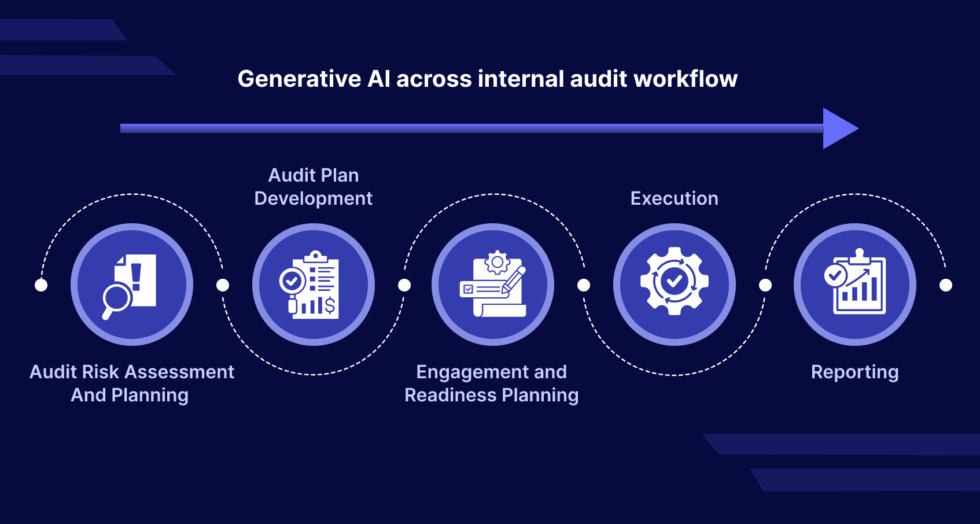
Understanding Generative AI
Generative AI refers to a subset of artificial intelligence that focuses on creating new content or data based on existing information. This technology uses algorithms to analyze vast amounts of data, identify patterns, and generate outputs that mimic real-world entities or scenarios. In the context of internal audit, generative AI can assist auditors in data analysis, risk assessment, and reporting, ultimately improving decision-making processes.
The Role of Generative AI in Internal Audit
1. Enhanced Data Analysis
One of the most significant advantages of generative AI for internal audit is its ability to process large volumes of data quickly and accurately. Traditional audit methods often rely on sampling techniques, which can lead to incomplete analyses and potential oversights. In contrast, generative AI allows auditors to analyze entire datasets, providing a more comprehensive view of financial and operational activities. This capability enables auditors to identify anomalies, trends, and potential risks with greater precision.
2. Improved Risk Assessment
Risk assessment is a critical component of the internal audit process. Generative AI can enhance this aspect by analyzing historical data and predicting future risks based on identified patterns. By utilizing predictive analytics, auditors can proactively address potential issues before they escalate. This forward-looking approach allows organizations to implement preventive measures, reducing the likelihood of financial discrepancies or operational failures.
3. Streamlined Reporting
Generating audit reports can be a time-consuming process. However, generative AI for internal audit can automate report creation, significantly reducing the time and effort required. By synthesizing data and insights into concise, coherent reports, auditors can focus on analysis and interpretation rather than spending excessive time on documentation. This efficiency not only improves productivity but also allows auditors to deliver timely insights to stakeholders.
Challenges in Implementing Generative AI for Internal Audit
1. Data Quality and Integration
While generative AI offers numerous benefits, its effectiveness depends heavily on the quality of the underlying data. In many organizations, data is often siloed or poorly structured, hindering effective analysis. For successful implementation, companies must prioritize data integration and quality assurance to ensure that generative AI can deliver accurate and actionable insights.
2. Skill Gaps
Implementing generative AI for internal audit requires a workforce that possesses the necessary technical skills and understanding of AI technologies. Many internal audit teams may lack expertise in data science or machine learning, leading to challenges in effectively utilizing generative AI tools. Organizations should invest in training and development programs to equip auditors with the skills needed to harness this technology effectively.
3. Ethical Considerations
The use of generative AI raises ethical questions, particularly concerning data privacy and algorithmic bias. Internal auditors must ensure that they comply with relevant regulations and ethical guidelines when implementing AI technologies. This includes safeguarding sensitive information and ensuring that AI-generated insights do not inadvertently perpetuate biases present in the training data.
Best Practices for Leveraging Generative AI in Internal Audit
1. Start Small and Scale Gradually
Organizations should begin their generative AI journey with pilot projects that focus on specific audit areas. By testing the technology in a controlled environment, auditors can identify best practices, address challenges, and refine their approach before scaling up. This incremental approach reduces risks and allows teams to build confidence in using generative AI.
2. Collaborate Across Departments
Successful implementation of generative AI for internal audit requires collaboration between audit teams and IT departments. Engaging IT professionals ensures that auditors have access to the necessary tools and resources, as well as the technical support needed to navigate potential challenges. This partnership fosters a culture of innovation and facilitates a smoother transition to AI-driven processes.
3. Continuously Monitor and Evaluate
As organizations adopt generative AI for internal audit, it is essential to establish a framework for continuous monitoring and evaluation. Regular assessments can help auditors identify areas for improvement, address potential issues, and ensure that the technology aligns with the organization’s goals and objectives. By maintaining an ongoing feedback loop, organizations can optimize their use of generative AI and enhance their overall audit processes.
Conclusion
Generative AI for internal audit presents a transformative opportunity for organizations looking to enhance their auditing processes. By leveraging advanced data analysis, improving risk assessment, and streamlining reporting, generative AI can significantly improve efficiency and effectiveness. However, organizations must navigate challenges related to data quality, skill gaps, and ethical considerations to fully realize the benefits of this technology. By adopting best practices and fostering collaboration, internal audit teams can unlock the full potential of generative AI, paving the way for a more innovative and insightful audit future.
 New Tech news
Leave a comment