The rapid evolution of technology has paved the way for innovations that transform how we interact with machines. One of the most significant advancements in recent years is the development of large language models (LLMs). These models are changing the landscape of app development, making it more efficient, intelligent, and user-centric. This article delves into the future of LLM app development, focusing on how a robust framework can enhance this process.
Understanding Large Language Models
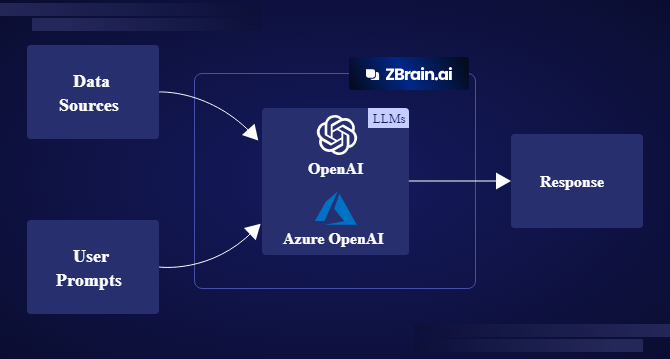
Large language models are artificial intelligence systems designed to understand and generate human-like text. They can perform various tasks, including answering questions, summarizing information, and even creating content. LLMs utilize vast datasets to learn linguistic patterns, allowing them to provide contextually relevant responses. As these models become more sophisticated, their applications in app development are becoming increasingly diverse.
The Role of Frameworks in App Development
In app development, frameworks serve as the backbone for creating applications. They provide a structured environment that facilitates coding, debugging, and deploying applications. A well-designed framework can significantly enhance productivity and reduce time-to-market for new applications. In the context of LLM app development, a powerful framework can streamline processes, making it easier for developers to harness the capabilities of LLMs.
Enhancing User Experience
One of the critical aspects of app development is ensuring a positive user experience. As developers explore the future of LLM app development, it is essential to focus on creating intuitive interfaces that engage users. Integrating LLMs into applications can enhance user interaction by providing real-time responses, personalized content, and contextual assistance. For instance, a virtual assistant powered by an LLM can understand user queries better and respond more accurately than traditional systems, leading to higher user satisfaction.
Automating Development Processes
Automation is a significant trend in app development, and LLMs play a vital role in this process. By automating routine tasks, developers can focus on more strategic aspects of their projects. For example, LLMs can assist in code generation, debugging, and testing, making the development process more efficient. As developers explore the future of LLM app development, the ability to automate these processes will become increasingly important.
Personalization Through AI
In today’s competitive landscape, personalization is key to user retention and satisfaction. LLMs can analyze user data to provide tailored experiences, enhancing the overall app experience. By understanding user preferences and behavior, these models can offer recommendations and content that resonate with individual users. This level of personalization not only increases engagement but also fosters loyalty, making it an essential consideration in LLM app development.
Real-Time Data Processing
Another advantage of utilizing LLMs in app development is their ability to process real-time data. In an era where users expect instant responses, LLMs can analyze and interpret information quickly, delivering relevant insights and solutions on demand. This capability is particularly valuable in sectors such as finance, healthcare, and customer service, where timely information can significantly impact decision-making.
Future Trends in LLM App Development
As technology continues to evolve, several trends are emerging in the realm of LLM app development. One notable trend is the integration of multimodal capabilities, where LLMs are combined with other forms of AI, such as image and speech recognition. This integration can lead to more interactive and dynamic applications, offering users a richer experience.
Moreover, the growing emphasis on ethical AI is influencing LLM development. As developers explore the future of LLM app development, ensuring transparency and fairness in AI algorithms will be paramount. This focus on ethical considerations can help build trust with users and promote responsible AI usage.
Collaboration and Community Engagement
The success of LLM app development relies not only on technological advancements but also on collaboration within the developer community. Sharing knowledge, best practices, and tools can accelerate the development process and foster innovation. By engaging with other developers and participating in forums, individuals can gain insights into the latest trends and techniques in LLM app development, driving the industry forward.
Conclusion
Exploring the future of LLM app development presents exciting opportunities for developers and users alike. As LLMs continue to evolve, their potential to enhance user experience, automate processes, and provide personalized content will reshape the app development landscape. By leveraging robust frameworks and focusing on collaboration, developers can harness the full potential of LLMs, paving the way for innovative applications that cater to the needs of users in an increasingly digital world. The future is bright for those who embrace the possibilities offered by large language models in app development.
 New Tech news
Leave a comment