Artificial intelligence (AI) is transforming industries across the globe, and the legal field is no exception. One of the most significant ways AI is making its presence felt is in legal research. Traditional legal research is often labor-intensive and time-consuming, but AI for legal research has the potential to streamline this process, offering faster, more accurate, and efficient results. In this article, we will explore the many advantages of AI for legal research and how it is changing the way legal professionals work.
What is AI for Legal Research?
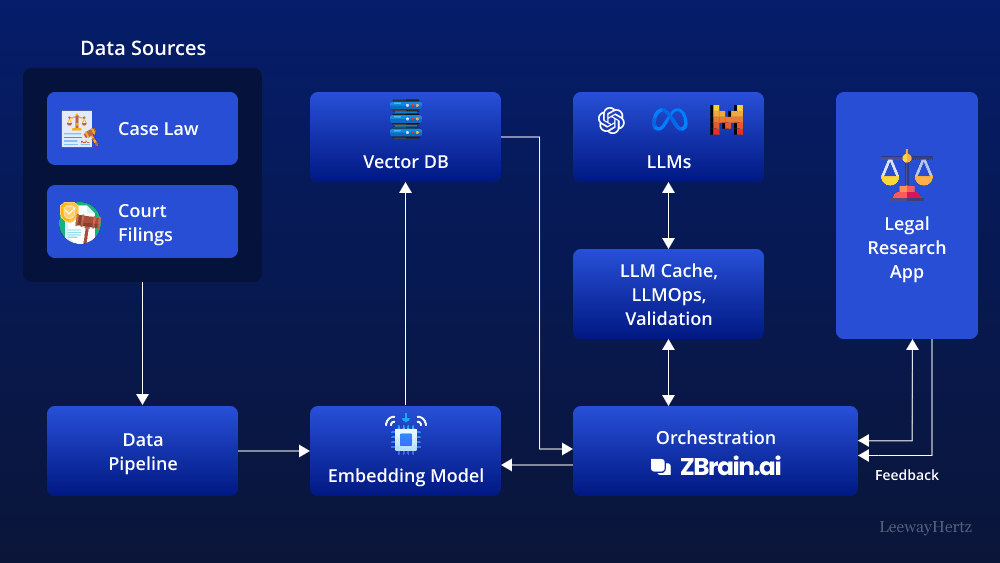
AI for legal research refers to the application of artificial intelligence technologies to automate, enhance, and expedite the research process in the legal field. It involves the use of machine learning algorithms, natural language processing, and data analytics to analyze legal documents, statutes, case laws, and other legal materials.
In the past, legal professionals had to manually sift through volumes of legal texts to find relevant information. AI for legal research, however, can quickly analyze vast amounts of data and extract meaningful insights, helping lawyers find precedents, relevant cases, and applicable laws in a fraction of the time. AI tools can scan through extensive databases, learn patterns, and provide more focused results than traditional research methods.
Advantages of AI for Legal Research
1. Efficiency and Speed
One of the biggest advantages of AI for legal research is the dramatic increase in efficiency and speed. AI-powered research tools can process vast amounts of information in minutes, which would take human researchers days or even weeks to complete. With AI for legal research, legal professionals can now access relevant information much faster, allowing them to focus on other critical aspects of their cases.
2. Improved Accuracy
Humans are prone to errors, especially when tasked with reviewing large volumes of data over extended periods. AI for legal research, on the other hand, uses sophisticated algorithms to ensure that the research is thorough and accurate. This leads to better results and reduces the risk of missing important legal precedents or statutes.
By automating repetitive tasks, AI for legal research minimizes human error, enabling legal professionals to make more informed decisions with greater confidence. It also ensures that all relevant cases, laws, and regulations are considered, reducing the chances of oversight.
3. Cost-Effective
Traditionally, legal research can be costly due to the time and resources required. AI for legal research can significantly reduce these costs by automating the research process, allowing law firms to cut down on time-consuming manual work. As a result, firms can offer more cost-effective services to their clients, making legal representation more affordable.
By using AI for legal research, firms can also allocate their resources more efficiently. Junior lawyers, paralegals, and researchers can focus on higher-value tasks, while AI handles the routine aspects of research, ultimately reducing operational costs and improving productivity.
How AI for Legal Research Enhances Legal Practice
1. Predictive Analysis
One of the most exciting applications of AI for legal research is predictive analysis. AI tools can predict the likely outcome of a case based on previous legal decisions and patterns in case law. By analyzing past court rulings, AI can provide legal professionals with insights into how a judge might rule on a specific matter or how a legal argument is likely to be received. This predictive capability is an invaluable tool for legal strategy, allowing lawyers to develop more informed, data-driven case strategies.
2. Enhanced Document Review
Another area where AI for legal research is proving highly beneficial is in document review. Legal professionals are often required to go through mountains of contracts, agreements, and legal briefs. AI-powered tools can help streamline this process by quickly reviewing and identifying the most relevant sections of documents, reducing the time needed for manual review.
AI can also assist in identifying patterns and anomalies in legal documents that might go unnoticed by human eyes. This can help ensure that important details are not overlooked, leading to better outcomes for clients and more precise legal work.
3. Legal Compliance and Risk Management
AI for legal research is also useful in maintaining compliance with legal regulations. In highly regulated industries, companies must ensure that they comply with a wide range of laws and regulations. AI can help by continuously monitoring changes in laws and regulations and notifying legal teams of any updates or risks. This helps organizations stay compliant and avoid potential legal pitfalls.
Furthermore, AI for legal research can assist in identifying potential risks in contracts and legal agreements. By scanning for clauses that might expose a client to litigation or liability, AI tools enable legal professionals to address these issues proactively, ensuring that their clients are better protected from legal risks.
The Future of AI for Legal Research
The future of AI for legal research looks promising, with continued advancements in technology set to further enhance its capabilities. As AI becomes more sophisticated, legal research tools will become even more intuitive and able to handle increasingly complex legal questions. With the integration of AI, legal research will continue to evolve, allowing legal professionals to work more efficiently and deliver better results for their clients.
The adoption of AI for legal research is still in its early stages, but it is clear that the legal industry is moving towards a future where technology plays a central role in legal practice. Legal professionals who embrace AI for legal research will be well-positioned to stay ahead of the curve and provide innovative solutions to their clients.
Ethical Considerations of AI for Legal Research
While AI for legal research offers many benefits, there are also ethical considerations that must be taken into account. One key concern is the potential for bias in AI algorithms. AI systems are only as good as the data they are trained on, and if that data contains biases, the AI’s conclusions could be skewed.
Another concern is the over-reliance on AI for legal research. While AI can greatly enhance the research process, it should not replace human judgment. Legal professionals must continue to use their critical thinking skills and expertise to interpret the results provided by AI tools.
Despite these challenges, AI for legal research is undoubtedly a powerful tool that can revolutionize the way legal professionals approach their work. By leveraging the speed, accuracy, and predictive capabilities of AI, law firms can enhance their services and deliver more effective legal representation.
Conclusion
AI for legal research is reshaping the legal landscape, offering numerous benefits to legal professionals. From increasing efficiency and accuracy to enabling predictive analysis and reducing costs, AI is becoming an essential tool in modern legal practice. As AI technology continues to advance, its role in legal research will only grow, helping legal professionals navigate the complexities of the law with greater ease and precision.
 New Tech news
Leave a comment