Introduction
The rapid advancement of artificial intelligence (AI) in information technology is revolutionizing how organizations operate, enhancing efficiency, and fostering innovation. As industries increasingly leverage AI technologies, they are unlocking new possibilities for data management, cybersecurity, customer engagement, and overall operational performance. This article explores the significance of AI in information technology and its transformative effects across various sectors.
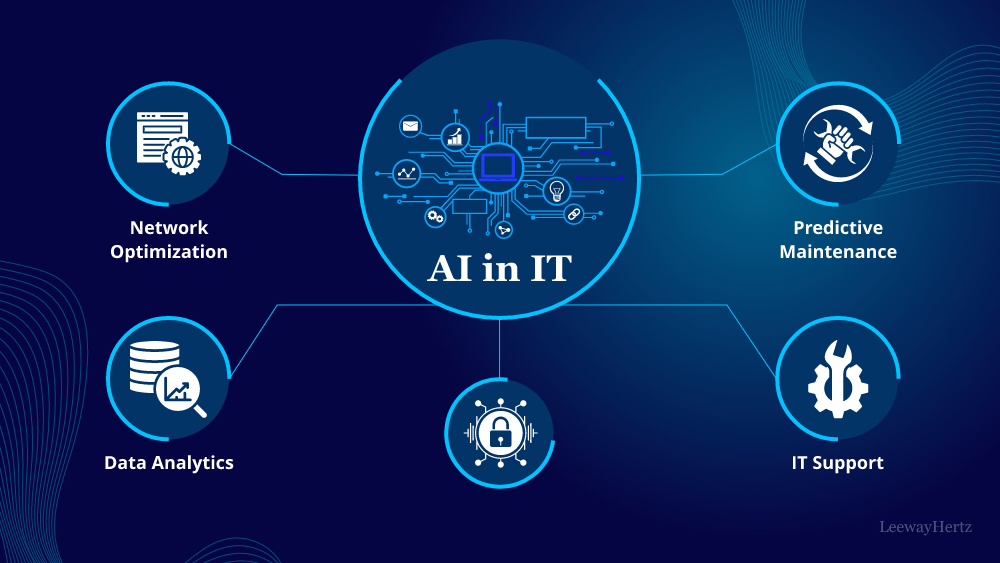
Understanding AI in Information Technology
AI in information technology refers to the use of machine learning, natural language processing, and other AI technologies to analyze data, automate processes, and provide insights that drive decision-making. By integrating AI into IT systems, organizations can enhance their capabilities, improve service delivery, and respond more effectively to customer needs. This integration also enables organizations to harness vast amounts of data, turning it into actionable insights that inform strategic planning and operational improvements.
Enhancing Data Management
One of the primary applications of AI in information technology is data management. Organizations are inundated with massive amounts of data from various sources, including social media, customer interactions, and operational processes. AI technologies can analyze this data at unprecedented speeds, identifying patterns and trends that human analysts might miss.
Through AI-driven analytics, businesses can gain a deeper understanding of customer behavior, market dynamics, and operational inefficiencies. This enables organizations to make data-driven decisions that optimize performance and drive growth. Furthermore, AI can assist in data cleaning and preprocessing, ensuring that the data used for analysis is accurate and reliable.
Improving Cybersecurity
With the increasing reliance on digital technologies, cybersecurity has become a critical concern for organizations. AI in information technology is playing a vital role in enhancing cybersecurity measures. Traditional security protocols often struggle to keep up with the rapidly evolving threat landscape. However, AI systems can continuously monitor network activity, identifying anomalies and potential threats in real time.
By utilizing machine learning algorithms, AI can detect unusual patterns of behavior that may indicate a security breach. This proactive approach allows organizations to respond swiftly to potential threats, minimizing the risk of data breaches and financial losses. Additionally, AI can automate routine security tasks, freeing up IT personnel to focus on more complex security challenges.
Enhancing Customer Engagement
AI in information technology is transforming how organizations engage with their customers. Chatbots and virtual assistants, powered by AI, are increasingly used to provide instant support and information to users. These systems can handle multiple queries simultaneously, ensuring that customers receive timely responses without the need for human intervention.
Moreover, AI can analyze customer interactions and preferences, allowing organizations to personalize their offerings. By understanding customer needs and behaviors, businesses can tailor their marketing strategies and product recommendations, enhancing customer satisfaction and loyalty. This level of personalization is essential in today’s competitive marketplace, where consumers expect a tailored experience.
Automating IT Processes
Automation is a key benefit of AI in information technology. Routine tasks such as software updates, system monitoring, and incident management can be automated through AI-driven solutions. This not only reduces the workload on IT teams but also improves the accuracy and efficiency of these processes.
By implementing AI in IT operations, organizations can achieve faster response times, minimize human errors, and enhance overall productivity. Automation also allows IT professionals to focus on more strategic initiatives, such as innovation and digital transformation, rather than getting bogged down by repetitive tasks.
Facilitating Business Intelligence
AI technologies are instrumental in enhancing business intelligence (BI) capabilities. By integrating AI into BI systems, organizations can process and analyze data more effectively, generating insights that drive strategic decision-making. AI-powered analytics tools can identify trends, forecast future outcomes, and provide recommendations based on historical data.
This enhanced capability enables organizations to make informed decisions that align with their business objectives. By leveraging AI in information technology, businesses can not only react to current market conditions but also anticipate future changes, allowing for proactive planning and competitive advantage.
Addressing Challenges and Considerations
Despite the numerous benefits of AI in information technology, organizations must also be aware of the challenges associated with its implementation. Issues such as data privacy, ethical considerations, and the potential for job displacement must be carefully managed. Organizations should establish clear guidelines and policies to ensure that AI technologies are used responsibly and ethically.
Additionally, investing in employee training and development is crucial to maximize the benefits of AI. By equipping staff with the necessary skills to work alongside AI systems, organizations can foster a culture of innovation and adaptability.
Conclusion
AI in information technology is undeniably reshaping the digital landscape, driving efficiency, enhancing security, and improving customer engagement. As organizations continue to embrace AI technologies, they must remain vigilant about the challenges that accompany this transformation. By leveraging AI strategically and responsibly, businesses can unlock new opportunities for growth and innovation, ensuring they remain competitive in an increasingly digital world.
The integration of AI into information technology is not just a trend; it represents a fundamental shift in how organizations operate, setting the stage for a more efficient, data-driven future. As the technology continues to evolve, its impact on the information technology sector will only become more profound, leading to exciting possibilities for organizations across all industries.
 New Tech news
Leave a comment