Introduction
Generative AI in the automotive industry is reshaping how vehicles are designed, manufactured, and maintained. This cutting-edge technology leverages artificial intelligence to create new designs, enhance efficiency, and improve overall vehicle performance. With the automotive sector constantly evolving, understanding the impact of generative AI is crucial for both manufacturers and consumers.
Understanding Generative AI
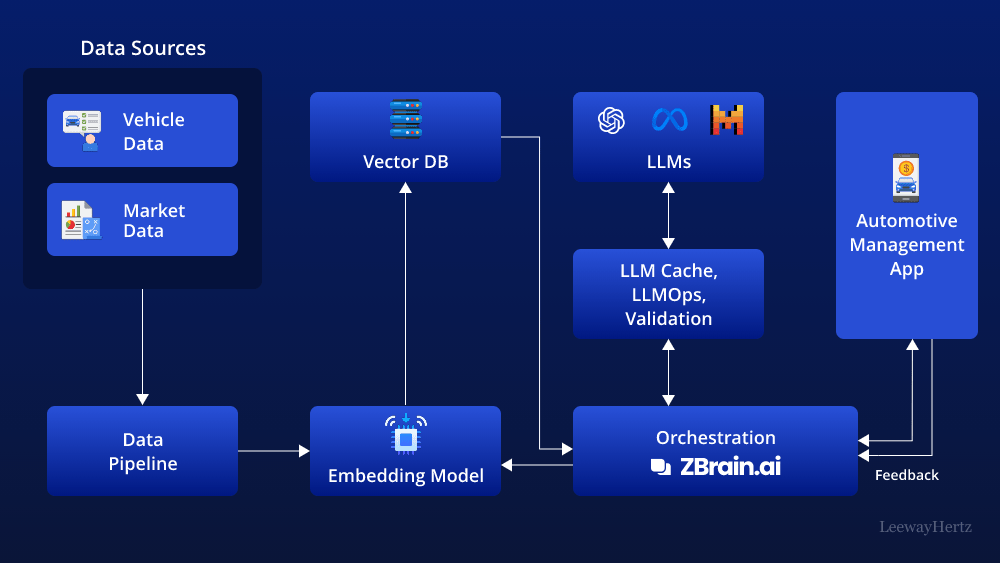
Generative AI refers to a subset of artificial intelligence that focuses on generating new content based on existing data. It utilizes algorithms and deep learning techniques to produce models, designs, and solutions that can drive innovation across various sectors, including the automotive industry. By analyzing vast amounts of data, generative AI can create unique designs and optimize processes, making it a powerful tool for manufacturers looking to stay competitive.
The Role of Generative AI in Automotive Design
One of the most significant impacts of generative AI in the automotive industry is its application in vehicle design. Traditional design processes often involve extensive trial and error, leading to increased costs and extended timelines. However, generative AI streamlines this process by enabling designers to explore numerous design possibilities rapidly.
Using generative design software, engineers can input specific parameters such as weight, materials, and strength requirements. The AI then analyzes these parameters to generate multiple design alternatives that meet the criteria. This not only accelerates the design process but also enhances creativity, allowing designers to explore options they might not have considered otherwise.
Enhancing Manufacturing Processes
Generative AI in the automotive industry also plays a pivotal role in optimizing manufacturing processes. By analyzing data from production lines, generative AI can identify inefficiencies and suggest improvements. This capability leads to reduced waste, lower production costs, and enhanced quality control.
For example, AI can monitor machinery performance in real time, predicting when maintenance is needed to prevent breakdowns. By minimizing downtime and ensuring optimal operation, manufacturers can maintain consistent production rates and improve overall efficiency. This proactive approach to maintenance is a significant advantage in an industry where time is money.
Customization and Personalization
In today’s market, consumers increasingly demand customization and personalization in their vehicles. Generative AI in the automotive industry facilitates this demand by allowing manufacturers to create tailored designs that reflect individual preferences.
Through the use of AI algorithms, manufacturers can analyze consumer behavior and preferences, generating customized vehicle options that resonate with buyers. Whether it’s unique exterior designs, interior layouts, or performance specifications, generative AI empowers manufacturers to cater to diverse customer needs, enhancing satisfaction and loyalty.
Improving Safety Features
Safety is paramount in the automotive industry, and generative AI contributes significantly to enhancing vehicle safety features. By simulating various driving conditions and scenarios, AI can identify potential hazards and recommend design modifications to mitigate risks.
For instance, generative AI can evaluate crash test data and propose structural changes to improve occupant safety. Additionally, it can help in the development of advanced driver-assistance systems (ADAS) by analyzing data from sensors and cameras, leading to more effective safety technologies. This proactive approach to safety not only protects drivers and passengers but also builds consumer trust in automotive brands.
Streamlining Supply Chain Management
Another area where generative AI is making a difference is in supply chain management. The automotive industry relies on a complex network of suppliers and manufacturers, making effective supply chain management crucial. Generative AI can optimize this process by analyzing data across the supply chain to forecast demand, manage inventory, and streamline logistics.
By predicting trends and potential disruptions, manufacturers can make informed decisions about production schedules and resource allocation. This capability ensures that vehicles are produced efficiently, minimizing delays and reducing costs. Furthermore, generative AI can enhance collaboration between suppliers and manufacturers, leading to more integrated and responsive supply chains.
Conclusion
The integration of generative AI in the automotive industry is transforming how vehicles are designed, manufactured, and maintained. From enhancing design creativity to optimizing production processes and improving safety features, the applications of generative AI are vast and impactful. As the automotive sector continues to evolve, embracing this technology will be crucial for manufacturers aiming to stay competitive in a rapidly changing landscape.
In summary, generative AI is not just a trend; it is a fundamental shift in how the automotive industry operates. As this technology matures, we can expect even more innovations that will redefine mobility and reshape the future of transportation. Embracing generative AI will empower manufacturers to create safer, more efficient, and personalized vehicles that meet the demands of the modern consumer. The future of the automotive industry is bright, thanks to the transformative power of generative AI.
 New Tech news
Leave a comment