Artificial Intelligence (AI) agents are transforming industries by automating processes, improving decision-making, and enhancing user experiences. Building an AI agent system can seem daunting, but this guide will simplify the process for you. This article outlines the essential steps to create an effective AI agent system while keeping SEO in mind.
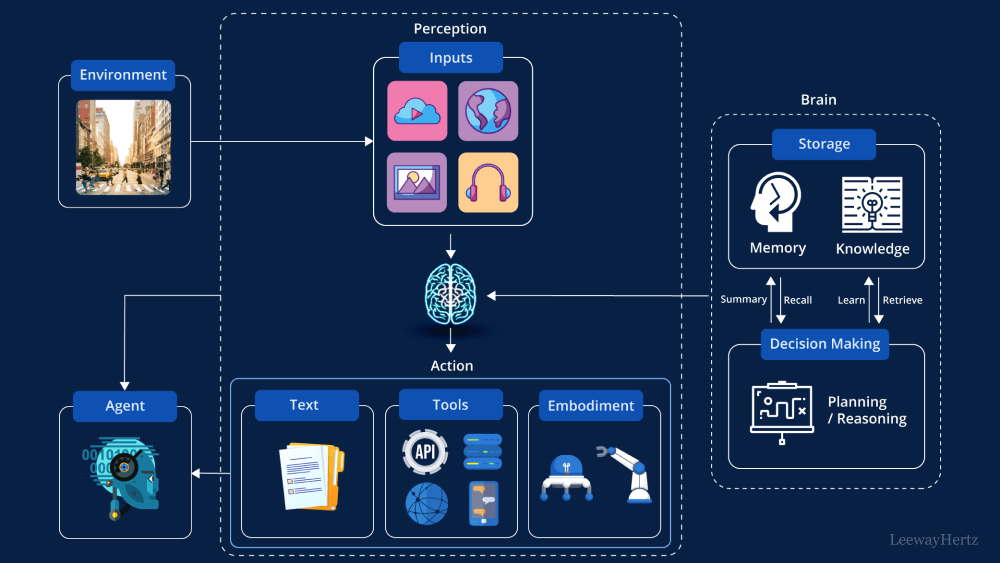
Understanding AI Agents
Before diving into how to build an AI agent system, it’s important to understand what AI agents are. An AI agent is a software program that uses algorithms to perform tasks autonomously. These agents can learn from their environment, adapt to new information, and even interact with users in natural language. Common applications include virtual assistants, chatbots, and recommendation systems.
Define the Purpose and Scope
The first step in building an AI agent system is to clearly define its purpose. What problem do you want the AI agent to solve? Establishing a clear objective will help guide your design and development process. For example, if your goal is to create a chatbot for customer service, consider the types of queries it should handle and the information it needs to provide.
Identify Key Features
After defining the purpose, identify the key features your AI agent will need. Features may include:
- Natural Language Processing (NLP): For understanding and processing human language.
- Machine Learning: To allow the agent to improve its performance over time.
- Integration Capabilities: The ability to connect with existing systems, databases, and APIs.
Choose the Right Tools and Technologies
Once you have a clear purpose and identified the features, the next step in how to build an AI agent system is to choose the appropriate tools and technologies. Here are some considerations:
Programming Languages
Select a programming language that suits your needs. Python is a popular choice for AI development due to its extensive libraries and community support. Other languages, such as Java and C++, can also be used depending on your project requirements.
AI Frameworks and Libraries
Utilize frameworks and libraries that streamline the development process. Some popular options include:
- TensorFlow: An open-source library for machine learning and deep learning.
- PyTorch: Another popular machine learning library, particularly for research and prototyping.
- NLTK or spaCy: For natural language processing tasks.
Development Environment
Choose an Integrated Development Environment (IDE) that enhances productivity. Options like Jupyter Notebook, PyCharm, or Visual Studio Code can help streamline your coding process.
Data Collection and Preparation
Data is the backbone of any AI agent system. The next step in how to build an AI agent system involves gathering and preparing data. Here’s how:
Gather Relevant Data
Collect data that aligns with the purpose of your AI agent. This data could be text, audio, or images, depending on your agent’s function. For instance, if you’re building a chatbot, gather past customer interactions, FAQs, and product information.
Clean and Preprocess the Data
Raw data often contains inconsistencies or errors. Cleaning your data is crucial for training your AI agent effectively. This process may include:
- Removing duplicates and irrelevant information.
- Normalizing text for consistency (e.g., converting to lowercase).
- Tokenization, where text is broken down into words or phrases.
Train the AI Model
Training is a critical step in how to build an AI agent system. This process involves feeding your prepared data into machine learning algorithms to teach the agent how to perform its tasks.
Select the Right Algorithms
Depending on the type of AI agent, different algorithms may be more appropriate. For instance, if you’re developing a classification model for categorizing queries, consider using decision trees or support vector machines. For more complex tasks, neural networks may be suitable.
Monitor Performance
As you train your model, monitor its performance using metrics like accuracy, precision, and recall. This will help you identify areas for improvement and adjust your training methods accordingly.
Implementing the AI Agent
After training your model, it’s time to implement your AI agent into a functional system.
Create a User Interface
If your AI agent interacts with users, a user-friendly interface is essential. This could be a website, mobile app, or integration with messaging platforms. Ensure the interface is intuitive and aligns with the user’s expectations.
Integrate APIs
Integrating APIs can enhance your AI agent’s capabilities. For instance, if your agent requires real-time data, integrating external APIs can help fetch that information dynamically.
Testing and Iteration
Testing is vital in how to build an AI agent system. It ensures your agent functions correctly and meets user needs.
Conduct User Testing
Engage real users to test your AI agent. Gather feedback on its performance, usability, and effectiveness in solving problems.
Iterate Based on Feedback
Use the feedback gathered to make necessary adjustments. Continuous improvement is key to maintaining the relevance and effectiveness of your AI agent.
Deployment and Maintenance
Once testing is complete, deploy your AI agent to a live environment. However, the work doesn’t stop here.
Monitor Performance Post-Deployment
Regularly monitor the performance of your AI agent. This will help you identify any issues early and make improvements.
Update and Maintain
As new data comes in, regularly update your AI model to improve its accuracy and effectiveness. Additionally, stay informed about advancements in AI technology to ensure your agent remains competitive.
Conclusion
Building an AI agent system involves careful planning, data management, and iterative development. By following the steps outlined in this guide, you can create a robust and effective AI agent tailored to your specific needs. Whether you’re looking to automate customer service or enhance user engagement, knowing how to build an AI agent system opens up new possibilities for innovation and efficiency.
 New Tech news
Leave a comment