Generative AI has emerged as a transformative technology, influencing various industries by generating new content and solutions. This article explores the key use cases, applications, and implementation strategies of generative AI, providing a clear understanding of its potential.
What is Generative AI?
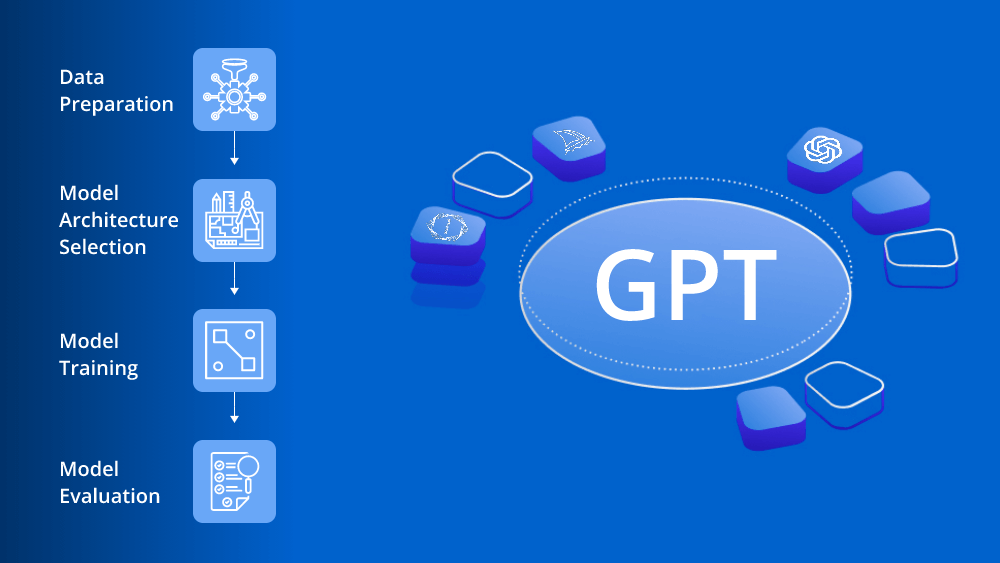
Generative AI refers to algorithms that can create new content, including text, images, music, and even code. By learning from existing data, these systems generate outputs that resemble human creativity. The foundation of generative AI lies in machine learning techniques, particularly deep learning, which enables models to understand patterns and produce innovative results.
Use Cases of Generative AI
Generative AI has a wide range of use cases across different sectors. Here are some prominent examples:
Content Creation
One of the most significant applications of generative AI is in content creation. Writers and marketers use these systems to generate articles, social media posts, and marketing materials. This not only saves time but also aids in brainstorming ideas and enhancing creativity. By utilizing generative AI, content creators can focus on strategy while the AI handles the heavy lifting of writing.
Design and Art Generation
In the realm of design, generative AI tools can create unique visual artwork, logos, and designs. Artists and designers use these systems to explore new styles and concepts, pushing the boundaries of creativity. The technology allows for the rapid generation of multiple design iterations, making it easier to refine ideas and produce innovative visual content.
Healthcare Innovations
Generative AI is making waves in healthcare by aiding in drug discovery and medical imaging analysis. These systems can analyze vast amounts of medical data to predict outcomes and generate synthetic data for research purposes. By streamlining the research process, generative AI helps in developing new treatments and enhancing patient care.
Gaming and Entertainment
The gaming industry leverages generative AI to create immersive environments and dynamic narratives. AI-generated characters, dialogues, and plots enhance the gaming experience, making it more engaging and personalized. This technology allows developers to create expansive worlds with less manual effort, resulting in richer gameplay.
Applications of Generative AI
Beyond specific use cases, generative AI finds applications across various domains:
Text Generation
Generative AI models excel in natural language processing, enabling them to generate human-like text. This application is useful in customer support, where AI can assist in answering queries and providing information. It also plays a role in summarizing large volumes of text, making information more accessible.
Image and Video Synthesis
Generative AI can produce high-quality images and videos, transforming how content is created. This capability is invaluable in advertising, where brands can create compelling visual campaigns without the need for extensive photo shoots. Additionally, AI-generated video content can enhance storytelling in films and online media.
Music Composition
In the music industry, generative AI aids composers by generating melodies and harmonies. Musicians can use these systems to explore new musical styles or generate background scores for various media. The result is a fusion of human creativity and machine intelligence, leading to innovative musical experiences.
Implementation of Generative AI
To successfully implement generative AI, organizations should consider several key factors:
Data Quality
The effectiveness of generative AI relies heavily on the quality of data used for training. Organizations should invest in curating high-quality datasets to ensure that the AI models produce relevant and accurate outputs.
Collaboration Between Humans and AI
A successful implementation strategy involves collaboration between human experts and generative AI systems. While AI can generate ideas and content, human oversight is essential to ensure relevance and maintain creative direction. This synergy can lead to more innovative outcomes.
Continuous Learning and Adaptation
Generative AI models should be regularly updated to improve their performance. Continuous learning involves refining algorithms based on new data and feedback. Organizations should establish processes for ongoing evaluation and adaptation to ensure their generative AI systems remain effective.
Ethical Considerations
As with any advanced technology, ethical considerations are crucial in the implementation of generative AI. Organizations must address issues such as data privacy, bias, and the potential misuse of generated content. Establishing guidelines and best practices can help mitigate these risks and promote responsible AI use.
Conclusion
Generative AI is revolutionizing various industries by offering innovative solutions and applications. From content creation to healthcare advancements, its potential is vast. By understanding the use cases, applications, and implementation strategies of generative AI, organizations can harness its power to enhance creativity, efficiency, and overall productivity. As this technology continues to evolve, it will undoubtedly play a pivotal role in shaping the future of many sectors.
 New Tech news
Leave a comment