Introduction to Agentic RAG
In today’s rapidly changing business landscape, organizations must adapt quickly to remain competitive. One emerging concept that has gained traction is Agentic RAG. This term combines the ideas of agency and risk assessment governance, emphasizing the importance of decision-making autonomy and structured evaluation in organizations. Understanding Agentic RAG can help leaders make informed decisions that align with their strategic goals while effectively managing risks.
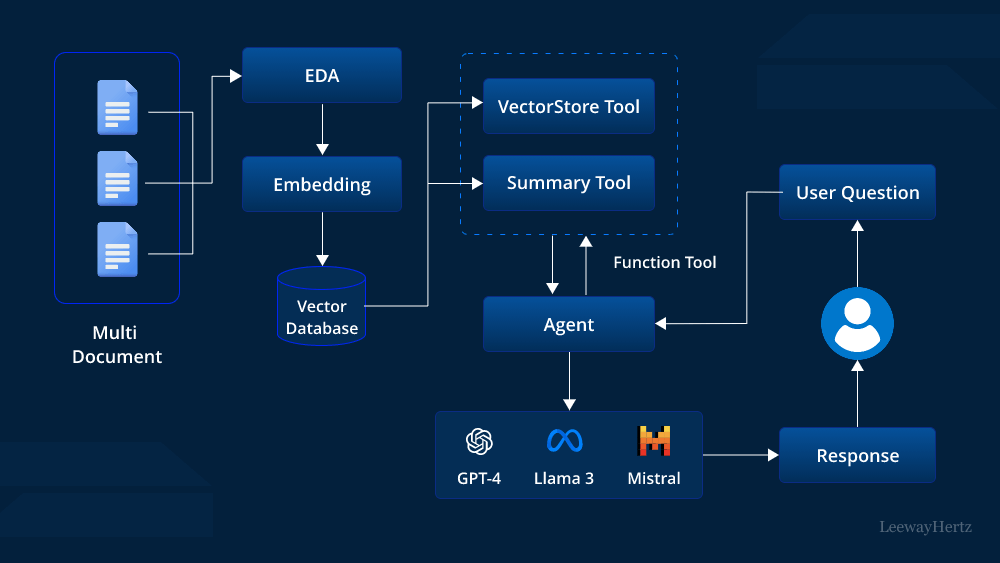
What is Agentic RAG?
Agentic RAG refers to a framework that empowers individuals within an organization to take initiative and make decisions while simultaneously ensuring that these decisions are backed by robust risk assessment processes. The term “agentic” highlights the importance of personal agency—allowing employees to act on their judgment and expertise. In contrast, “RAG” stands for risk assessment governance, which involves the systematic identification, evaluation, and prioritization of risks.
This framework encourages a balance between autonomy and accountability, enabling organizations to foster a culture of innovation while mitigating potential downsides.
The Importance of Agency in Organizations
Agency in the workplace means that employees have the power to make choices and take actions that impact their work and the organization as a whole. When individuals feel empowered, they are more likely to engage in creative problem-solving, take ownership of their tasks, and contribute to the organization’s goals.
Agentic RAG emphasizes that this agency should be supported by clear guidelines and governance structures. By providing employees with the tools and frameworks to assess risks associated with their decisions, organizations can enhance both employee satisfaction and overall performance.
Key Components of Agentic RAG
- Empowerment Through Training: Organizations must invest in training programs that equip employees with the skills necessary for effective decision-making. This training should include understanding the risk landscape relevant to their roles and how to evaluate potential outcomes.
- Structured Risk Assessment: Implementing a formal risk assessment process is crucial. This involves identifying risks, evaluating their potential impact, and determining appropriate mitigation strategies. A structured approach ensures that decisions are informed and aligned with organizational objectives.
- Clear Communication Channels: Effective communication is essential for implementing Agentic RAG. Employees should feel comfortable discussing their ideas and concerns, and there should be channels for feedback and collaboration. This fosters a supportive environment where agency can thrive.
- Accountability Mechanisms: While agency encourages individual decision-making, it is equally important to establish accountability. Organizations should create systems that allow for the evaluation of decisions and their outcomes. This helps maintain a culture of responsibility and continuous improvement.
Benefits of Implementing Agentic RAG
- Enhanced Decision-Making: By combining personal agency with risk assessment, employees can make decisions that are both innovative and informed. This leads to better outcomes and a more agile organization.
- Increased Employee Engagement: When employees feel empowered to make decisions, their engagement levels rise. Higher engagement correlates with increased productivity and job satisfaction, ultimately benefiting the organization.
- Improved Risk Management: A structured approach to risk assessment helps organizations identify potential challenges before they arise. This proactive stance can prevent costly mistakes and ensure smoother operations.
- Fostering a Culture of Innovation: Agentic RAG encourages a culture where experimentation is valued. When employees know they can take calculated risks, they are more likely to propose new ideas and solutions.
Challenges in Adopting Agentic RAG
While the benefits of Agentic RAG are significant, organizations may face challenges during implementation. Resistance to change, lack of understanding, and inadequate training can hinder the adoption of this framework. To overcome these challenges, organizations should prioritize clear communication about the benefits of Agentic RAG and provide ongoing support to employees as they adapt to this new approach.
Conclusion
Agentic RAG represents a forward-thinking approach to decision-making within organizations. By empowering individuals to take initiative while implementing structured risk assessment processes, organizations can cultivate a culture of innovation and accountability. As the business environment continues to evolve, embracing Agentic RAG can help organizations stay competitive and achieve their strategic objectives. Implementing this framework requires commitment and investment, but the potential rewards make it a worthwhile endeavor for any organization looking to thrive in the modern landscape.
 New Tech news
Leave a comment