Introduction to Generative AI in Logistics
Generative AI in logistics is revolutionizing the way companies manage their supply chains, optimize routes, and enhance customer experiences. By leveraging advanced algorithms, this technology enables organizations to analyze vast amounts of data, predict trends, and make informed decisions. As the logistics industry continues to evolve, understanding the impact of generative AI becomes crucial for staying competitive.
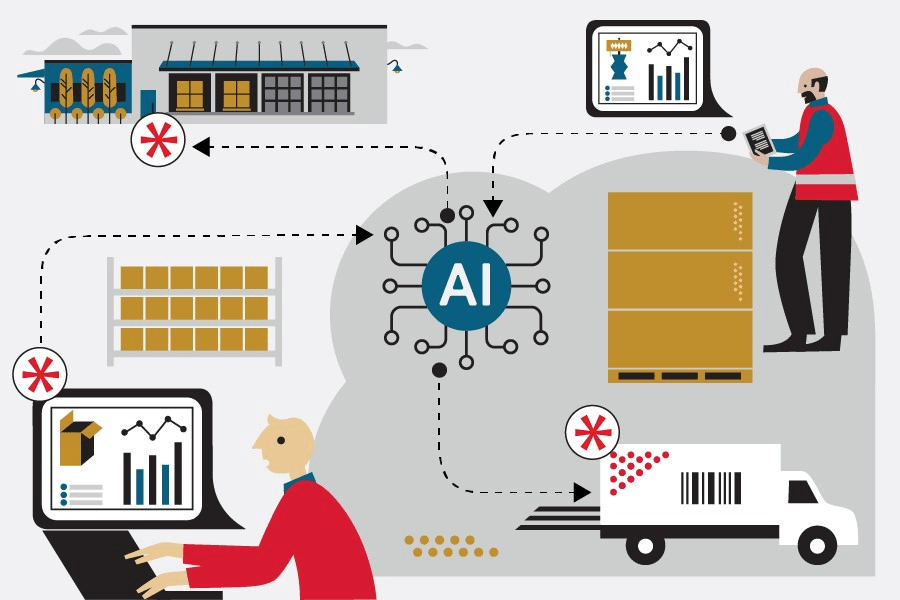
Enhancing Supply Chain Efficiency
One of the most significant advantages of generative AI in logistics is its ability to enhance supply chain efficiency. Traditional supply chain management often relies on historical data and manual processes. However, generative AI can analyze real-time data from various sources, including weather patterns, traffic conditions, and market trends. This capability allows logistics companies to optimize inventory levels, forecast demand, and reduce lead times.
For example, generative AI can simulate different supply chain scenarios, helping businesses identify potential bottlenecks and develop contingency plans. By proactively addressing these issues, organizations can minimize disruptions and ensure a smoother flow of goods.
Optimizing Transportation and Routing
Transportation is a critical component of logistics, and generative AI plays a vital role in optimizing routing and delivery processes. Through advanced algorithms, this technology can analyze multiple variables—such as vehicle capacity, delivery windows, and traffic conditions—to determine the most efficient routes. This not only saves time but also reduces fuel consumption and operational costs.
Moreover, generative AI can dynamically adjust routes in real-time based on changing conditions. For instance, if an unexpected traffic jam occurs, the system can quickly identify alternative routes to minimize delays. This adaptability is crucial in maintaining customer satisfaction and meeting delivery deadlines.
Improving Inventory Management
Inventory management is another area where generative AI in logistics shines. Companies often struggle with maintaining optimal inventory levels, leading to excess stock or stockouts. By utilizing predictive analytics, generative AI can forecast demand more accurately, enabling organizations to make data-driven decisions about when and how much to order.
Additionally, generative AI can help streamline warehouse operations. By analyzing data on product movement, companies can optimize storage layouts and improve picking processes. This not only enhances efficiency but also reduces labor costs and improves overall productivity.
Enhancing Customer Experience
In today’s competitive market, customer experience is paramount. Generative AI in logistics can significantly enhance this aspect by providing personalized services and real-time updates. For instance, logistics companies can use AI to analyze customer preferences and tailor their offerings accordingly. This might include customized delivery options or proactive notifications about order status.
Furthermore, generative AI can improve communication between logistics providers and customers. By automating responses to common inquiries and providing real-time tracking information, businesses can enhance transparency and build stronger relationships with their clients.
Predictive Maintenance for Fleet Management
Another critical application of generative AI in logistics is predictive maintenance for fleet management. Maintaining a fleet of vehicles is essential for ensuring timely deliveries. Traditional maintenance schedules often rely on fixed intervals, which can lead to unnecessary downtime or unexpected breakdowns.
Generative AI can analyze data from various sensors and historical maintenance records to predict when a vehicle is likely to need repairs. This proactive approach allows logistics companies to perform maintenance only when necessary, reducing costs and improving vehicle availability.
Conclusion
The integration of generative AI in logistics offers numerous benefits, from enhancing supply chain efficiency to improving customer experiences. As the logistics landscape continues to change, organizations that embrace this technology will be better positioned to navigate challenges and capitalize on opportunities.
By optimizing processes, improving inventory management, and leveraging data-driven insights, generative AI is set to transform the logistics industry. Companies that invest in these advancements will not only streamline their operations but also enhance their competitive edge in a rapidly evolving market. Embracing generative AI in logistics is not just a trend; it’s a strategic move towards a more efficient and responsive future.
 New Tech news
Leave a comment