In today’s tech-driven world, artificial intelligence (AI) is revolutionizing how we interact with applications. From personal assistants to recommendation systems, AI is becoming integral to app development. This article will guide you through the essential steps to build an AI app, ensuring a clear and straightforward approach.
Understanding the Basics of AI
Before diving into the technical aspects, it’s crucial to understand what AI is and how it works. AI refers to the simulation of human intelligence in machines. These systems are designed to think and learn like humans, allowing them to perform tasks that typically require human cognition. Familiarizing yourself with concepts like machine learning, natural language processing, and neural networks will set a solid foundation for building your AI app.
Defining Your App’s Purpose
The first step in how to build an AI app is to define its purpose. What problem are you solving? Who is your target audience? By answering these questions, you can create a clear vision for your app. Whether it’s a chatbot for customer service or a recommendation engine for e-commerce, understanding your app’s purpose will guide your development process.
Researching and Choosing the Right AI Technology
Once you have a clear idea of your app’s purpose, the next step is to research and choose the right AI technology. There are various frameworks and tools available, each with its strengths and weaknesses. Some popular choices include TensorFlow for machine learning, spaCy for natural language processing, and OpenCV for computer vision. Consider factors like ease of use, community support, and scalability when making your choice.
Designing Your App’s Architecture
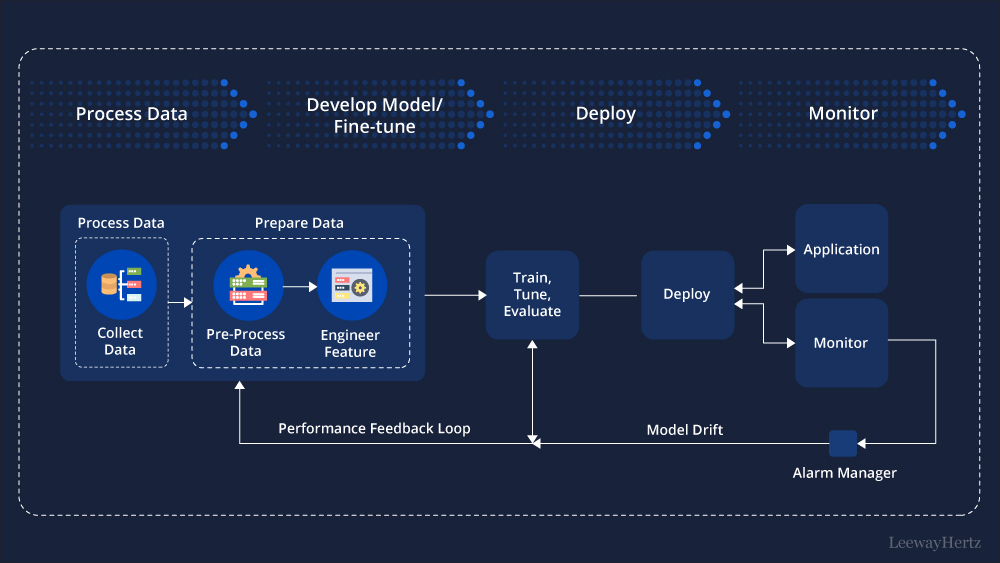
Designing the architecture is a crucial step in how to build an AI app. A well-structured architecture ensures that your app is scalable and maintainable. Start by outlining the key components of your app, such as the user interface, backend, and AI models. Use diagrams to visualize the relationships between these components. This will help you identify any potential bottlenecks and streamline the development process.
Data Collection and Preparation
Data is the backbone of any AI application. The next step in how to build an AI app involves collecting and preparing the data you will use to train your models. Depending on your app’s purpose, you may need text, images, or numerical data. Ensure that the data is clean, relevant, and adequately labeled. This preparation process is critical, as the quality of your data directly impacts your app’s performance.
Training Your AI Model
Once your data is prepared, you can begin training your AI model. This step involves feeding your data into the chosen framework and adjusting parameters to optimize performance. Start with a simple model and gradually increase complexity as needed. Be sure to split your data into training and testing sets to evaluate your model’s effectiveness. Iteration is key; don’t hesitate to refine your model based on testing results.
Building the User Interface
The user interface (UI) is the first thing users will interact with, making it a vital aspect of how to build an AI app. A well-designed UI enhances user experience and encourages engagement. Keep the design simple and intuitive, ensuring that users can easily navigate your app. Consider using wireframes and prototypes to visualize the layout before full-scale development.
Integrating AI with the App
Now comes the exciting part: integrating AI into your app. This step involves connecting your trained AI model with the app’s backend, allowing it to process inputs and provide outputs in real-time. Ensure that the integration is seamless, as any lag or glitch can deter users. Test the integration thoroughly to identify and resolve any issues.
Testing and Iteration
Testing is an essential phase in how to build an AI app. Conduct thorough testing to ensure that your app functions as intended. This includes both functional testing (to check if all features work) and performance testing (to ensure the app runs smoothly under load). Gather feedback from beta users and be prepared to iterate on your design and functionality based on their input.
Launching Your AI App
After rigorous testing and iteration, it’s time to launch your AI app. Develop a marketing strategy to promote your app and reach your target audience. Utilize social media, content marketing, and other channels to create buzz. Ensure that you have a plan for ongoing support and updates post-launch, as user feedback will be invaluable for future improvements.
Continuous Learning and Improvement
Building an AI app is an ongoing process. After launch, continue to gather user feedback and analyze data to identify areas for improvement. AI technology evolves rapidly, so staying updated on the latest advancements will help you enhance your app over time. Regularly update your models and features to keep your app relevant and user-friendly.
Conclusion
Learning how to build an AI app may seem daunting, but by following these structured steps, you can create an application that meets user needs and stands out in a competitive market. From defining your app’s purpose to continuous improvement post-launch, each step is crucial for success. Embrace the journey, and watch your innovative ideas come to life through AI technology.
 New Tech news
Leave a comment