Introduction: The Evolution of Regulatory Compliance
In today’s fast-paced digital landscape, companies across industries face growing challenges when it comes to regulatory compliance. Laws and regulations are constantly evolving, and organizations are required to keep up with the pace to avoid costly fines, sanctions, or reputational damage. Traditionally, this process involved manual monitoring of regulations, which was time-consuming, error-prone, and inefficient.
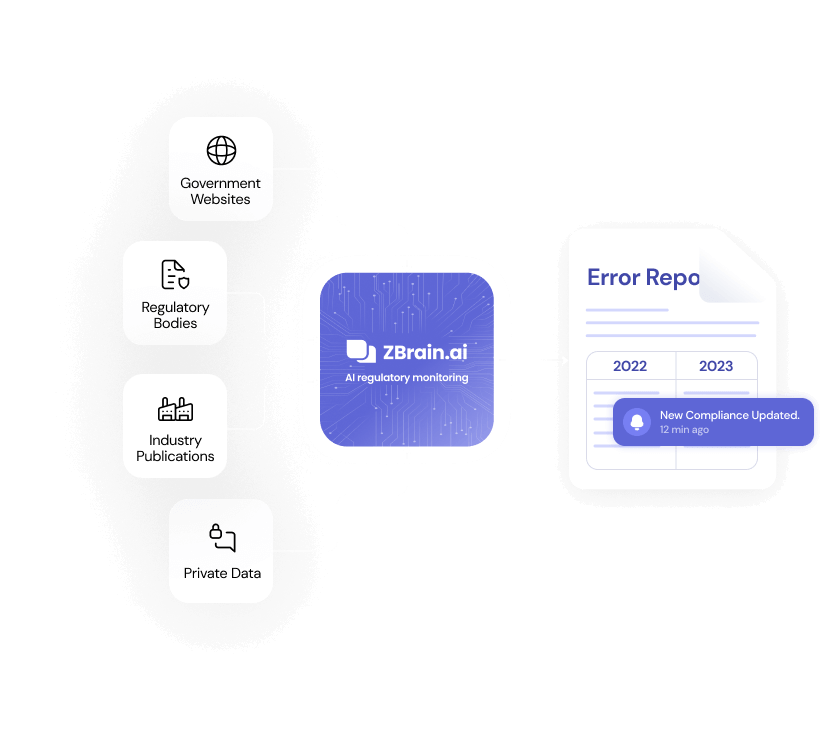
This is where artificial intelligence (AI) steps in. An AI-based regulatory monitoring tool is transforming how organizations handle compliance and adapt to changing regulations. By automating the monitoring process, AI is significantly improving both speed and accuracy, reducing the burden on human employees, and enabling companies to stay ahead of regulatory changes. This transformation is particularly notable in sectors such as finance, healthcare, and data protection, where compliance is critical to business operations.
How AI-Based Regulatory Monitoring Tools Work
The foundation of an AI-based regulatory monitoring tool lies in its ability to collect and analyze vast amounts of data from various regulatory sources. These tools leverage natural language processing (NLP) and machine learning algorithms to scan and interpret legal texts, regulatory announcements, and policy changes in real time. By doing so, they can identify relevant updates, alert organizations to potential compliance risks, and even predict future regulatory trends based on historical data.
Unlike traditional methods, which rely on human analysts to manually sift through documents and databases, an AI-based regulatory monitoring tool performs this task at a much faster pace. The tool can be programmed to focus on specific regulatory areas that are critical to an organization’s operations, allowing for highly targeted monitoring that minimizes irrelevant noise. This focused approach helps companies ensure that they are in line with industry standards while avoiding regulatory breaches.
Why AI Is the Game Changer in Regulatory Monitoring
The use of AI in regulatory monitoring offers several key advantages that are transforming compliance management for businesses:
- Real-time Monitoring and Updates
Regulations are updated frequently, and the speed at which organizations need to respond has increased. An AI-based regulatory monitoring tool provides real-time updates, ensuring that businesses are always up to date with the latest regulatory changes. This is particularly valuable for industries that operate in multiple jurisdictions, where keeping track of regulatory requirements can be incredibly complex. - Enhanced Accuracy and Reduced Risk
Human error is an inherent risk in manual regulatory monitoring. By leveraging AI, organizations can significantly reduce the chances of missing critical regulatory updates or misinterpreting compliance requirements. The AI-based approach allows businesses to proactively address potential risks before they become compliance issues, ensuring a higher degree of accuracy in their operations. - Scalability for Global Operations
As companies expand globally, they face the challenge of keeping up with regulations in various countries. An AI-based regulatory monitoring tool is scalable, meaning it can monitor regulations across multiple regions without the need for additional resources. This global perspective ensures that organizations remain compliant no matter where they operate. - Cost Efficiency and Resource Optimization
Manual compliance monitoring often requires significant human resources and time investment. By automating this process, an AI-based regulatory monitoring tool reduces labor costs and frees up employees to focus on more strategic tasks. The overall efficiency of the organization improves as resources are reallocated to areas that drive growth and innovation.
AI-Based Regulatory Monitoring Tools and the Future of AI
As artificial intelligence continues to advance, it is also transforming itself through tools like regulatory monitoring systems. The integration of AI into compliance is reshaping how AI develops as a technology. By working within strict regulatory frameworks, AI systems are evolving to be more transparent, explainable, and ethical.
For instance, one of the most significant concerns surrounding AI is the lack of accountability in decision-making processes. With regulatory monitoring tools in place, AI systems can be better aligned with existing legal frameworks, ensuring that their actions are auditable and compliant with human rights, data privacy laws, and other important regulations.
As AI-based regulatory monitoring tools enhance the governance of AI systems, they contribute to building trust in the technology itself. This is particularly relevant in industries where AI applications, such as algorithmic decision-making or predictive analytics, directly impact people’s lives. The integration of compliance mechanisms ensures that AI remains a tool for positive change, rather than a source of risk or harm.
Challenges in Implementing AI-Based Regulatory Monitoring Tools
While the benefits of AI-based regulatory monitoring tools are clear, there are still some challenges associated with their implementation:
- Data Privacy Concerns
AI-based tools require access to a vast amount of sensitive data to function effectively. Organizations must ensure that these tools comply with data privacy regulations such as GDPR, which can complicate the process of monitoring and analyzing information. - Integration with Existing Systems
Many organizations have legacy systems in place for regulatory monitoring and compliance. Integrating AI-based solutions into these systems can be a complex task, requiring significant time and investment. - Dependence on Accurate Data
An AI-based regulatory monitoring tool is only as effective as the data it uses. Poor data quality or incomplete datasets can lead to inaccurate results, making it essential for organizations to invest in proper data management.
Conclusion: The Transformative Impact of AI-Based Regulatory Monitoring Tools
The adoption of AI-based regulatory monitoring tools is transforming how businesses approach compliance and regulation. By automating the monitoring process, AI not only makes it easier for companies to stay compliant, but also reduces costs, enhances accuracy, and mitigates risk. These tools are especially valuable in industries where regulatory compliance is a top priority.
As AI itself evolves, the use of regulatory monitoring tools is shaping the future of the technology, ensuring that it operates within ethical and legal boundaries. In the years to come, we can expect AI to continue transforming industries through innovative solutions that address regulatory challenges and enhance organizational efficiency.
By integrating these tools into their compliance strategies, businesses can focus on growth and innovation, while remaining confident in their ability to meet ever-changing regulatory demands.
 New Tech news
Leave a comment