In today’s rapidly evolving digital landscape, the integration of Generative AI in knowledge management has emerged as a transformative force. This article explores how Generative AI is revolutionizing knowledge management, highlighting key use cases, benefits, and practical implementation strategies.
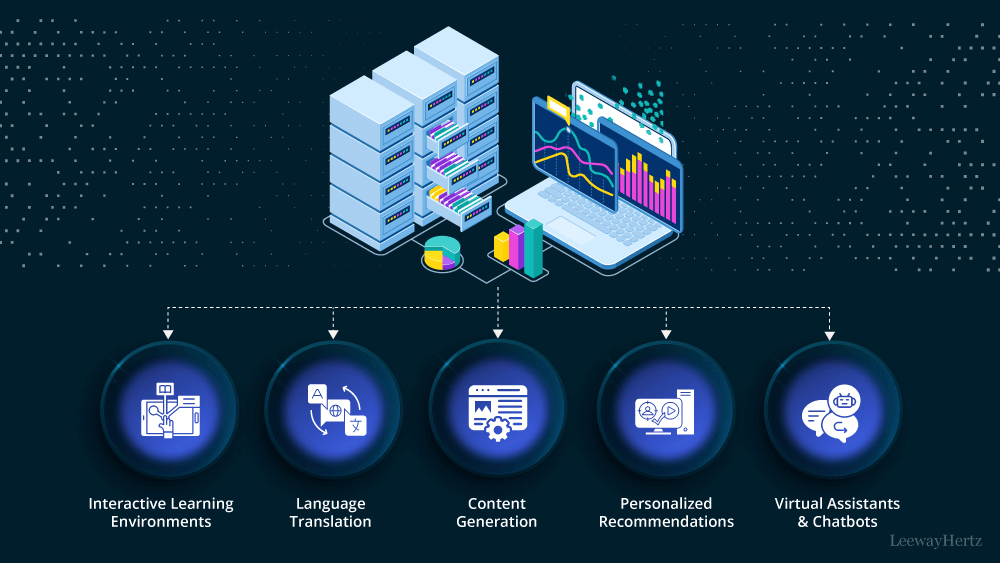
What is Generative AI in Knowledge Management?
Generative AI refers to artificial intelligence systems designed to generate new content based on existing data. In the context of knowledge management, Generative AI creates, curates, and optimizes knowledge assets such as documents, reports, and data insights. Its ability to understand and produce human-like text enables more efficient management of organizational knowledge.
Key Use Cases of Generative AI in Knowledge Management
- Automated Content Creation One of the primary applications of Generative AI in knowledge management is automated content creation. AI systems can generate reports, summaries, and articles by analyzing existing data and documents. This reduces the time and effort required for content production and ensures consistency and accuracy across different types of knowledge assets.
- Enhanced Knowledge Retrieval Generative AI can improve the efficiency of knowledge retrieval by creating more accurate and relevant search results. By understanding the context and intent behind user queries, AI systems can generate precise answers or summaries from a vast pool of knowledge. This enhances the user experience and speeds up access to critical information.
- Personalized Learning and Training In organizational settings, Generative AI can tailor learning and training materials to individual needs. By analyzing employees’ existing knowledge and learning patterns, AI can generate customized training programs, resources, and assessments. This ensures that training is relevant and effective, catering to each learner’s specific requirements.
- Knowledge Gap Identification Generative AI can identify gaps in an organization’s knowledge base by analyzing existing information and detecting areas that require additional content or insights. This proactive approach helps in filling knowledge voids before they impact decision-making or operational efficiency.
- Automated Document Management Generative AI aids in the organization and management of documents by categorizing and tagging content automatically. It can also generate summaries of lengthy documents, making it easier for users to grasp essential information quickly. This reduces the manual effort involved in document management and improves overall efficiency.
Benefits of Generative AI in Knowledge Management
- Increased Efficiency Generative AI streamlines knowledge management processes by automating content creation, retrieval, and categorization. This reduces the workload on employees and accelerates the dissemination of information, leading to enhanced productivity and operational efficiency.
- Improved Accuracy By generating content and summaries based on comprehensive data analysis, Generative AI ensures higher accuracy and consistency. This minimizes the risk of errors and discrepancies, providing reliable and precise information for decision-making and strategic planning.
- Enhanced User Experience Generative AI enhances the user experience by delivering more relevant and personalized content. It can generate tailored responses and recommendations, making it easier for users to find the information they need quickly and effectively.
- Cost Savings Implementing Generative AI in knowledge management can lead to significant cost savings by reducing the need for manual content creation and management. This allows organizations to allocate resources more efficiently and invest in other areas of growth and development.
- Scalability Generative AI systems are highly scalable, making it easy to manage large volumes of knowledge assets. As organizations grow and their knowledge base expands, AI can handle increased content generation and management demands without compromising quality or efficiency.
Implementation Strategies for Generative AI in Knowledge Management
- Assess Organizational Needs Before implementing Generative AI, it’s crucial to assess the specific needs and objectives of your organization. Identify key areas where AI can add value, such as content creation, knowledge retrieval, or training. This will help in selecting the right AI tools and applications for your knowledge management strategy.
- Choose the Right AI Tools Select AI tools and platforms that align with your organizational requirements. Look for solutions that offer robust features for content generation, knowledge retrieval, and document management. Ensure that the chosen tools integrate seamlessly with your existing knowledge management systems.
- Pilot and Evaluate Start with a pilot program to test the effectiveness of Generative AI in a controlled environment. Evaluate the performance of AI tools based on predefined metrics and gather feedback from users. This will help in refining the implementation strategy and addressing any challenges before a full-scale rollout.
- Train and Support Employees Provide training and support to employees to ensure they can effectively use Generative AI tools. Educate them on how AI can enhance their work processes and encourage them to embrace the technology. Continuous support and guidance will help in maximizing the benefits of AI in knowledge management.
- Monitor and Optimize Regularly monitor the performance of Generative AI systems and analyze their impact on knowledge management processes. Use insights from monitoring to optimize AI tools and improve their functionality. Stay updated with advancements in AI technology to leverage new capabilities and maintain a competitive edge.
Conclusion
Generative AI in knowledge management offers numerous advantages, from increased efficiency and accuracy to enhanced user experiences and cost savings. By understanding its use cases and benefits, and implementing effective strategies, organizations can harness the power of Generative AI to transform their knowledge management practices and drive innovation. Embracing this technology will not only streamline processes but also position organizations for future success in an increasingly data-driven world.
 New Tech news
Leave a comment