Introduction
Artificial Intelligence (AI) has evolved rapidly over the years, and one of the most significant advancements is the development of multimodal models. These models combine various types of data, such as text, images, and audio, to improve machine learning and AI capabilities. In this article, we will explore what multimodal models are, how they work, their applications, and why they represent a significant step forward in the field of AI.
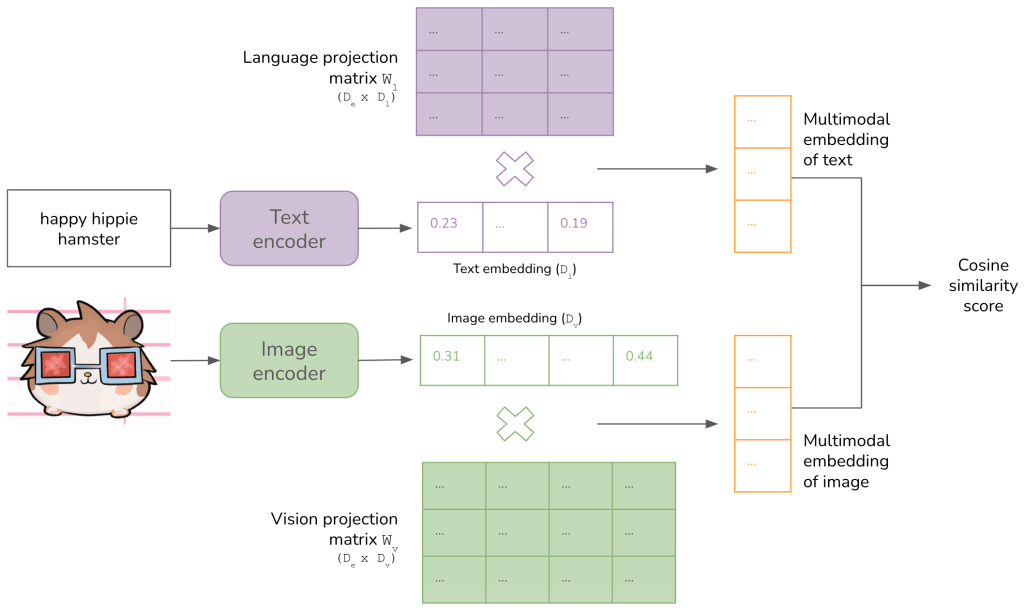
What Are Multimodal Models?
Multimodal models are AI systems that can process and analyze multiple types of data simultaneously. Unlike traditional models that focus on a single type of input, such as text or images, multimodal models integrate data from different sources. This integration allows them to gain a deeper understanding and make more accurate predictions.
For example, a multimodal model might combine text descriptions with images to provide a more comprehensive analysis. By processing these multiple data types, the model can understand context better, making it highly effective in applications that require nuanced comprehension, such as natural language processing, image recognition, and audio analysis.
How Do Multimodal Models Work?
The core of multimodal models lies in their ability to merge different data modalities into a unified representation. This process involves several key steps:
- Data Preprocessing: The first step is preparing the data, which involves cleaning, normalizing, and transforming data from various modalities into formats suitable for analysis.
- Feature Extraction: Each type of data undergoes feature extraction to identify relevant characteristics. For text, this might involve recognizing keywords or sentiments, while for images, it could mean identifying objects or patterns.
- Fusion of Modalities: After feature extraction, the model merges the data to create a single, cohesive representation. This fusion can occur at different stages—early, mid, or late—depending on the specific application and model design.
- Model Training: The fused data is then used to train the model. Multimodal models are trained using advanced machine learning techniques, including deep learning, to recognize patterns and make predictions.
- Output and Interpretation: Once trained, the model can analyze new, unseen data inputs from multiple modalities and provide results that reflect the integrated understanding of all data types.
Applications of Multimodal Models
The versatility of multimodal models opens up numerous applications across various industries. Here are some of the most impactful uses:
- Healthcare: Multimodal models are used in medical diagnostics by integrating patient data, such as medical history, imaging results, and genetic information, to provide more accurate diagnoses and personalized treatment plans.
- Autonomous Vehicles: In autonomous driving, multimodal models combine data from cameras, radar, and LiDAR to better understand the environment, improving the safety and reliability of self-driving cars.
- Virtual Assistants: Virtual assistants like chatbots and voice-activated devices benefit from multimodal models by integrating speech recognition, natural language processing, and visual inputs to interact more naturally and effectively with users.
- Content Moderation: On social media platforms, multimodal models help in content moderation by analyzing text, images, and videos simultaneously to detect inappropriate content, ensuring a safer online environment.
- Retail and E-commerce: In retail, these models enhance the shopping experience by combining visual search capabilities with customer reviews and product descriptions, offering more accurate product recommendations.
Advantages of Multimodal Models
Multimodal models offer several key advantages that make them highly valuable in AI development:
- Enhanced Understanding: By combining multiple data types, multimodal models achieve a more comprehensive understanding of complex information, which leads to better decision-making and predictions.
- Improved Accuracy: The integration of different data modalities helps reduce errors that might arise when relying on a single data source, leading to more accurate outcomes.
- Flexibility: Multimodal models can be adapted to various tasks and industries, making them highly versatile. They can process and interpret data in ways that closely resemble human perception, enhancing their utility in real-world applications.
- Resilience: These models are more resilient to missing or noisy data. If one data modality is incomplete or unclear, the model can still rely on other modalities to provide reliable outputs.
Challenges in Developing Multimodal Models
While multimodal models offer numerous benefits, they also present certain challenges:
- Data Integration: Combining data from different sources can be complex due to variations in data format, scale, and quality.
- Computational Demand: Multimodal models require significant computational resources, including processing power and memory, to handle large volumes of data.
- Model Complexity: The complexity of designing and training multimodal models can be a barrier, requiring advanced expertise in AI and machine learning.
- Data Privacy: Integrating diverse data types often involves sensitive information, raising concerns about data privacy and security.
The Future of Multimodal Models
The future of AI is undoubtedly tied to the continued development of multimodal models. As technology advances, we can expect these models to become even more sophisticated, with improved accuracy, efficiency, and adaptability. They will likely play a critical role in areas like personalized medicine, intelligent robotics, and interactive AI systems.
In conclusion, multimodal models represent a significant leap forward in the field of AI, offering enhanced capabilities through the integration of diverse data types. By harnessing the power of multimodal models, industries can achieve more nuanced insights, leading to smarter and more effective AI solutions. As research and development continue, the impact of these models will only grow, shaping the future of technology in profound ways.
 New Tech news
Leave a comment