Building an AI agent system is an exciting venture that combines programming, machine learning, and artificial intelligence to create intelligent software capable of performing tasks autonomously. Whether you’re a developer looking to enhance your skill set or a business interested in automating tasks, understanding how to build an AI agent system can provide immense value. This guide will walk you through the process, breaking it down into manageable steps and offering insights into the key components involved.
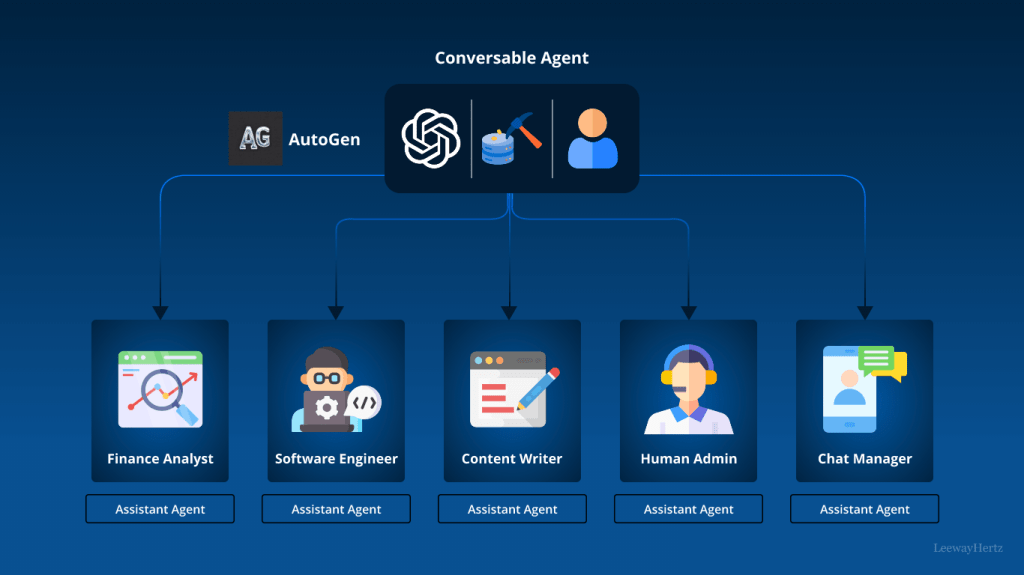
1. Understanding AI Agent Systems
Before diving into the details of how to build an AI agent system, it’s essential to understand what an AI agent is. An AI agent is a software entity that perceives its environment through sensors and acts upon that environment to achieve specific goals. These agents can be simple, like a chatbot, or complex, such as an autonomous vehicle.
AI agents can be classified into various types based on their level of intelligence and autonomy:
- Simple Reflex Agents: These agents respond to current perceptions without considering past perceptions.
- Model-Based Reflex Agents: These agents keep track of the world’s state and use that to make decisions.
- Goal-Based Agents: These agents act to achieve specific goals.
- Utility-Based Agents: These agents maximize a utility function to determine the best course of action.
- Learning Agents: These agents improve their performance over time through learning.
2. Planning Your AI Agent System
When considering how to build an AI agent system, planning is crucial. Start by identifying the problem you want your AI agent to solve. The clearer your objective, the more focused your development process will be. Ask yourself:
- What specific task will the AI agent perform?
- What environment will the AI agent operate in?
- What level of autonomy is required?
After defining your goals, outline the features and functionalities your AI agent system will need. This includes deciding on the types of inputs your agent will process (e.g., text, images, audio), the decision-making algorithms it will use, and how it will interact with its environment.
3. Choosing the Right Tools and Frameworks
A crucial step in learning how to build an AI agent system is selecting the appropriate tools and frameworks. Your choice will depend on the complexity of the agent and the specific use case.
- Programming Languages: Python is the most popular language for AI development due to its extensive libraries such as TensorFlow, PyTorch, and Scikit-learn. Java and C++ are also used in certain scenarios, especially where performance is critical.
- AI Libraries and Frameworks: Depending on your needs, you might choose from TensorFlow, PyTorch, Keras, or OpenAI Gym. These libraries provide pre-built algorithms and tools to accelerate development.
- Development Environments: Jupyter Notebook is widely used for its ease of use and ability to visualize data. Integrated development environments (IDEs) like PyCharm or Visual Studio Code can also be helpful for larger projects.
4. Designing the Architecture of Your AI Agent System
Designing the architecture is a critical part of how to build an AI agent system. The architecture defines how different components of the agent interact with each other and with the environment. A typical AI agent system architecture includes:
- Perception Module: This component is responsible for gathering information from the environment. It may involve sensors, data inputs, or APIs to collect the necessary data.
- Decision-Making Module: Based on the perception, the agent needs to make decisions. This module typically involves machine learning models, decision trees, or rule-based systems.
- Action Module: After making a decision, the agent must act. This could involve controlling physical devices, interacting with other software, or generating responses in the case of a chatbot.
- Learning Module: In more advanced systems, the agent will have a learning module that enables it to improve over time by learning from past experiences.
5. Implementing the AI Agent System
With the architecture in place, the next step in how to build an AI agent system is implementation. This involves coding the various modules and integrating them into a cohesive system.
Start by developing the perception module, as it lays the foundation for the rest of the system. Ensure your agent can correctly interpret inputs from its environment before moving on to decision-making.
Next, implement the decision-making module using the machine learning models or algorithms you’ve selected. It’s crucial to thoroughly test this module to ensure that the agent makes accurate and reliable decisions.
Finally, code the action module, ensuring that it can execute the decisions made by the agent. This step might involve interfacing with external systems, APIs, or hardware.
6. Testing and Iteration
Testing is a vital aspect of how to build an AI agent system. Your AI agent will need to be thoroughly tested in various scenarios to ensure it performs as expected. Testing should include:
- Unit Testing: Test individual components of the agent to ensure they function correctly.
- Integration Testing: Test how the different modules of the agent interact with each other.
- Performance Testing: Assess the agent’s performance in real-time conditions to ensure it meets the required speed and accuracy.
Iterate on your design based on the results of these tests. The process of refining the AI agent may involve tweaking algorithms, retraining models, or redesigning certain aspects of the system.
7. Deployment and Maintenance
Once your AI agent system is fully tested, it’s time to deploy it. Deployment involves setting up the agent in its operating environment, whether that’s on a local server, a cloud platform, or embedded within a device.
Post-deployment, continuous monitoring and maintenance are essential. The environment in which your AI agent operates might change, and your agent will need to adapt accordingly. Regular updates and improvements will ensure the agent continues to perform optimally.
Conclusion
Understanding how to build an AI agent system is a multi-faceted process that involves careful planning, selecting the right tools, designing a robust architecture, and thorough testing. By following these steps, you can develop an AI agent system that not only meets your specific needs but also opens up new opportunities for automation and intelligent decision-making in various fields.
 New Tech news
Leave a comment