Introduction
Large Language Models (LLMs) have become a cornerstone in the field of artificial intelligence, revolutionizing how machines understand and generate human-like text. As these models continue to evolve, one of the key advancements is the use of structured outputs in LLMs. This approach enhances the capabilities of AI, making interactions more precise and relevant. In this article, we will explore what structured outputs in LLMs are, why they are important, and how they are transforming the landscape of natural language processing (NLP).
What are Structured Outputs in LLMs?
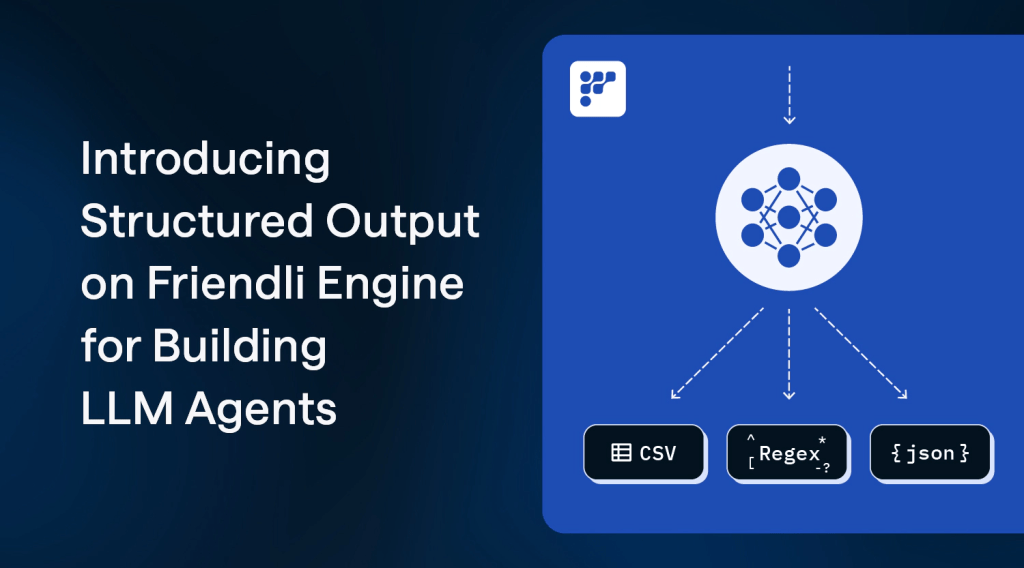
Structured outputs in LLMs refer to the generation of responses that are organized in a specific format or structure, rather than just plain text. These outputs are tailored to meet specific requirements, such as lists, tables, JSON objects, or even more complex data formats. This is particularly useful in scenarios where precise information retrieval or data manipulation is required, such as in programming, data analysis, or complex question-answering systems.
For instance, when an LLM is tasked with generating a report, instead of merely providing a long paragraph, it can produce a well-organized document with headings, subheadings, bullet points, and tables. This structured approach not only makes the output more readable but also easier to process for both humans and machines.
Why are Structured Outputs in LLMs Important?
- Improved Accuracy and Relevance: One of the primary benefits of structured outputs in LLMs is the increased accuracy and relevance of the generated content. When the output is structured, it adheres to specific formats that reduce ambiguity and enhance the clarity of the response. This is particularly beneficial in tasks where precision is crucial, such as coding or generating legal documents.
- Enhanced User Experience: Structured outputs in LLMs significantly improve the user experience by delivering information in a more digestible format. For example, a chatbot that provides customer service can use structured outputs to generate step-by-step instructions, making it easier for users to follow and resolve their queries.
- Facilitates Automation and Integration: Structured outputs are essential for automating processes and integrating with other systems. For instance, in a business setting, an LLM can generate structured data that can be directly fed into databases, analytics tools, or other software systems, thereby streamlining operations and reducing the need for manual intervention.
Applications of Structured Outputs in LLMs
- Data Extraction and Summarization: Structured outputs in LLMs are widely used for extracting and summarizing data. For example, in the medical field, LLMs can analyze patient records and generate structured summaries that highlight key information such as symptoms, diagnosis, and treatment plans. This not only saves time but also ensures that critical details are not overlooked.
- Code Generation and Debugging: In the realm of software development, LLMs can use structured outputs to generate code snippets, complete functions, or even debug existing code. By providing outputs in a structured format, such as JSON for API requests or specific coding languages, these models help developers work more efficiently and accurately.
- Content Creation and Management: Structured outputs in LLMs are also transforming content creation. Whether it’s generating SEO-optimized articles, social media posts, or technical documentation, LLMs can structure content in a way that meets specific requirements. This not only enhances readability but also aligns with content standards and guidelines.
Challenges in Implementing Structured Outputs in LLMs
While the advantages are clear, implementing structured outputs in LLMs comes with its own set of challenges. One of the primary issues is ensuring the consistency and correctness of the generated structures. LLMs may sometimes produce outputs that are syntactically correct but semantically incorrect, leading to potential misunderstandings or errors.
Another challenge is the complexity involved in training LLMs to generate structured outputs. It requires extensive datasets with well-defined formats and a thorough understanding of the desired output structure. Additionally, fine-tuning LLMs to consistently produce structured outputs without deviating from the intended format can be a resource-intensive process.
The Future of Structured Outputs in LLMs
As technology continues to advance, the role of structured outputs in LLMs is expected to grow. Future developments may include more sophisticated models that can handle complex data structures with higher accuracy and consistency. This will likely lead to even more powerful applications across various industries, from healthcare and finance to education and entertainment.
Moreover, as LLMs become more integrated into everyday applications, the demand for structured outputs will increase, driving further innovation in this area. This will not only enhance the capabilities of LLMs but also open up new possibilities for how we interact with AI.
Conclusion
Structured outputs in LLMs represent a significant leap forward in the field of artificial intelligence. By enabling LLMs to produce organized and precise responses, this technology is enhancing the accuracy, usability, and integration of AI systems across a wide range of applications. As the demand for more sophisticated and reliable AI solutions grows, structured outputs in LLMs will continue to play a pivotal role in shaping the future of human-machine interactions.
 New Tech news
Leave a comment