The Role of AI Agents in Compliance: Enhancing Accuracy and Efficiency
Introduction
Compliance is a critical aspect of any business, especially in highly regulated industries such as finance, healthcare, and pharmaceuticals. With ever-evolving regulations and the increasing volume of data that organizations must manage, maintaining compliance can be a daunting task. Enter AI agents in compliance—a powerful solution that is revolutionizing the way businesses handle their regulatory responsibilities. In this article, we explore how AI agents are transforming compliance, the benefits they offer, and the challenges they may face.
What Are AI Agents in Compliance?
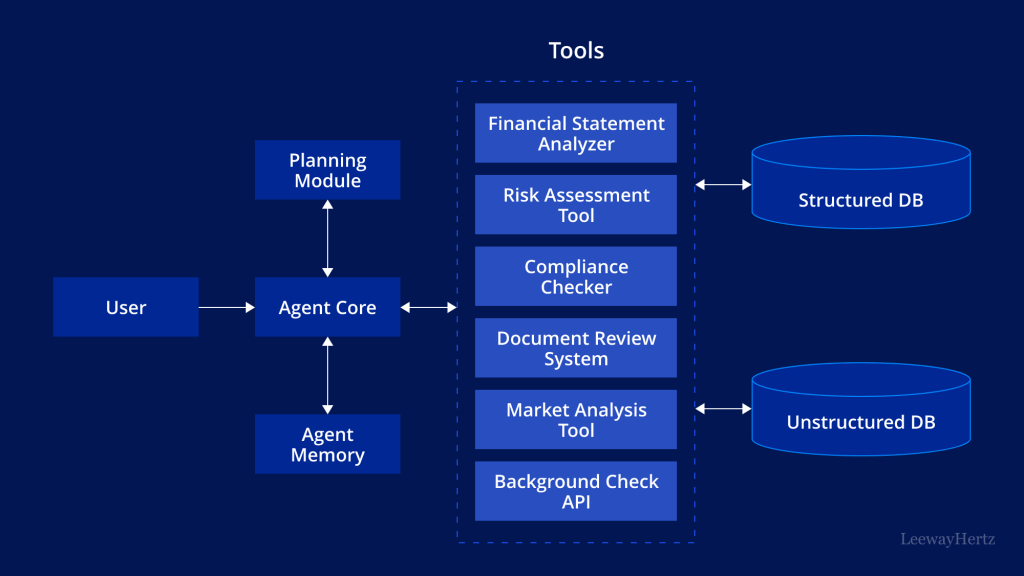
AI agents in compliance refer to intelligent systems designed to assist organizations in adhering to regulatory requirements. These agents use advanced technologies such as machine learning, natural language processing, and data analytics to monitor, assess, and enforce compliance measures. They can analyze vast amounts of data, identify potential compliance risks, and provide recommendations for corrective actions. This not only improves the efficiency of compliance processes but also reduces the likelihood of human error.
How AI Agents Are Revolutionizing Compliance
- Automating Repetitive Tasks
One of the most significant advantages of AI agents in compliance is their ability to automate repetitive tasks. Traditional compliance processes often involve manual data entry, document review, and report generation. These tasks are not only time-consuming but also prone to errors. AI agents can handle these tasks with greater speed and accuracy, freeing up human resources for more strategic activities. For instance, AI can automatically scan emails and documents to ensure they meet regulatory standards, significantly reducing the workload for compliance teams. - Real-Time Monitoring and Alerts
AI agents in compliance offer real-time monitoring capabilities that can detect non-compliant activities as they occur. By continuously analyzing transactions, communications, and other relevant data, AI agents can identify anomalies or red flags that indicate potential compliance violations. When such issues are detected, the AI agents can generate alerts, enabling organizations to take immediate action. This proactive approach helps in preventing compliance breaches before they escalate into larger problems. - Enhanced Data Analysis
Compliance requires organizations to analyze vast amounts of data to ensure adherence to regulations. Traditional methods may struggle to keep up with the sheer volume and complexity of data. AI agents in compliance excel at data analysis, allowing them to quickly process large datasets and identify trends or patterns that may indicate compliance risks. For example, AI can analyze financial transactions to detect money laundering activities or examine patient records to ensure compliance with healthcare regulations. - Improving Decision-Making
AI agents in compliance also play a crucial role in enhancing decision-making. By providing data-driven insights and recommendations, AI agents enable compliance officers to make more informed decisions. They can assess the impact of regulatory changes, identify areas of non-compliance, and suggest corrective actions. This not only improves the overall effectiveness of compliance programs but also ensures that organizations are better prepared to respond to evolving regulatory landscapes.
Benefits of AI Agents in Compliance
- Increased Efficiency
AI agents streamline compliance processes, allowing organizations to operate more efficiently. By automating routine tasks and providing real-time monitoring, AI agents reduce the time and resources required to maintain compliance. This increased efficiency can lead to significant cost savings, as organizations can allocate their resources more effectively. - Reduced Risk of Non-Compliance
Non-compliance can result in hefty fines, legal penalties, and reputational damage. AI agents in compliance help mitigate these risks by continuously monitoring activities and identifying potential issues before they become serious problems. This proactive approach ensures that organizations remain compliant with regulations, reducing the likelihood of costly compliance breaches. - Improved Accuracy
Human errors are a common cause of compliance failures. AI agents, on the other hand, are designed to operate with high levels of accuracy. They can process and analyze data without the biases or mistakes that humans might make. This improved accuracy ensures that compliance processes are more reliable and that organizations can trust the results generated by AI agents. - Scalability
As organizations grow, their compliance needs also increase. AI agents in compliance are highly scalable, making them an ideal solution for businesses of all sizes. Whether a company is managing compliance for a small team or a large multinational operation, AI agents can be scaled to meet the specific needs of the organization.
Challenges of Implementing AI Agents in Compliance
- Data Privacy Concerns
While AI agents offer many benefits, they also raise concerns about data privacy. Organizations must ensure that the AI systems they use comply with data protection regulations, such as GDPR or CCPA. This requires careful consideration of how data is collected, processed, and stored by AI agents. - Integration with Existing Systems
Implementing AI agents in compliance can be challenging, especially when integrating with existing systems. Organizations may need to invest in new technologies or make significant changes to their current infrastructure to accommodate AI agents. This can be a complex and costly process that requires careful planning and execution. - Regulatory Challenges
Ironically, AI agents in compliance must also adhere to regulations. As AI technology continues to evolve, so too do the regulations governing its use. Organizations must stay informed about these changes to ensure that their AI systems remain compliant.
Conclusion
AI agents in compliance are transforming the way organizations manage their regulatory obligations. By automating tasks, providing real-time monitoring, and enhancing data analysis, AI agents offer significant benefits in terms of efficiency, accuracy, and risk reduction. However, organizations must also navigate challenges related to data privacy, system integration, and evolving regulations. As AI technology continues to advance, AI agents in compliance are set to become an essential tool for businesses looking to stay ahead in a complex regulatory environment.
 New Tech news
Leave a comment