Introduction
In the ever-evolving world of finance, the integration of artificial intelligence (AI) has emerged as a game-changer. AI for financial reporting is transforming traditional practices and offering businesses new ways to enhance accuracy, efficiency, and strategic decision-making. This article explores how AI is reshaping financial reporting, its benefits, and its impact on the future of finance.
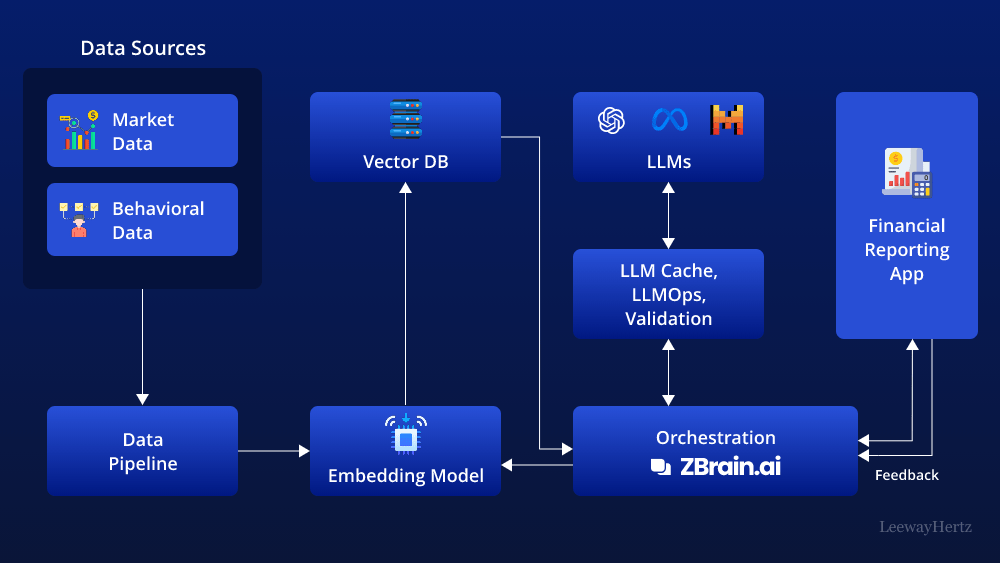
AI for Financial Reporting: A New Era of Accuracy
One of the most significant advantages of AI for financial reporting is its ability to enhance accuracy. Traditional financial reporting often involves manual data entry and analysis, which can be prone to human error. AI algorithms, however, can process vast amounts of data with a high degree of precision. Machine learning models can analyze historical financial data to identify patterns and anomalies, helping to minimize errors and improve the reliability of financial reports.
Improving Efficiency with AI
AI for financial reporting also brings substantial improvements in efficiency. Automated systems can handle repetitive tasks such as data collection, reconciliation, and report generation faster than human counterparts. This automation not only speeds up the reporting process but also frees up valuable time for finance professionals to focus on strategic activities. By leveraging AI, companies can reduce the time spent on manual processes and accelerate their financial reporting cycles.
Enhanced Data Analysis and Insights
One of the most compelling benefits of AI for financial reporting is its ability to deliver deeper insights. AI-powered tools can analyze large volumes of financial data and generate actionable insights that might not be apparent through traditional methods. For example, AI can perform predictive analytics to forecast future financial trends, helping businesses to make informed decisions based on data-driven projections. This advanced analysis supports more strategic financial planning and helps companies stay ahead of market changes.
Risk Management and Compliance
AI plays a crucial role in managing risks and ensuring compliance in financial reporting. Regulatory requirements are constantly evolving, and staying compliant can be challenging. AI systems can monitor transactions in real-time and flag any irregularities that might indicate fraudulent activities or non-compliance with regulations. By automating compliance checks and risk assessments, AI helps organizations maintain integrity and adhere to financial regulations more effectively.
Cost Savings through Automation
Incorporating AI for financial reporting can lead to significant cost savings. Traditional financial reporting processes often require substantial resources, including personnel and time. By automating these processes with AI, companies can reduce labor costs and minimize the risk of costly errors. The efficiency gains and accuracy improvements provided by AI also contribute to overall cost reductions, making financial operations more cost-effective.
AI-Driven Financial Forecasting
AI’s impact on financial forecasting cannot be overstated. Financial forecasting traditionally relies on historical data and expert judgment, which can be limited in scope and prone to biases. AI, on the other hand, can analyze extensive datasets and consider numerous variables to generate more accurate forecasts. Machine learning models can continuously improve their predictions by learning from new data, providing businesses with more reliable financial forecasts and helping them to plan strategically for the future.
Challenges and Considerations
Despite its numerous benefits, the adoption of AI for financial reporting comes with its own set of challenges. One major consideration is the initial investment required for AI technologies. Implementing AI systems can be costly, and businesses need to weigh the potential return on investment against the upfront expenses. Additionally, there may be a learning curve for finance professionals who need to adapt to new technologies and workflows.
Data security and privacy are also critical concerns. AI systems process sensitive financial information, and ensuring that this data is protected against breaches is essential. Companies must implement robust security measures and comply with data protection regulations to safeguard their financial data.
The Future of AI in Financial Reporting
Looking ahead, AI for financial reporting is expected to continue evolving and driving innovation in the finance sector. Advances in AI technology, such as improved machine learning algorithms and natural language processing capabilities, will likely enhance the accuracy and functionality of financial reporting tools. As AI becomes more integrated into financial reporting processes, businesses will benefit from even greater efficiency, accuracy, and strategic insights.
Conclusion
AI for financial reporting is revolutionizing the finance industry by offering enhanced accuracy, efficiency, and insights. As businesses continue to adopt AI technologies, they can expect significant improvements in their financial reporting processes, including better risk management, cost savings, and more accurate forecasts. While there are challenges to address, the potential benefits of AI make it a valuable asset for modern financial reporting. Embracing AI is not just about keeping up with technological advancements but about leveraging these tools to achieve a competitive edge in the fast-paced world of finance.
 New Tech news
Leave a comment