In the rapidly evolving world of finance, the integration of artificial intelligence (AI) is transforming how financial reporting is conducted. AI for financial reporting is emerging as a crucial tool for businesses seeking to streamline processes, improve accuracy, and gain deeper insights. This article explores how AI is revolutionizing financial reporting, its benefits, and practical applications.
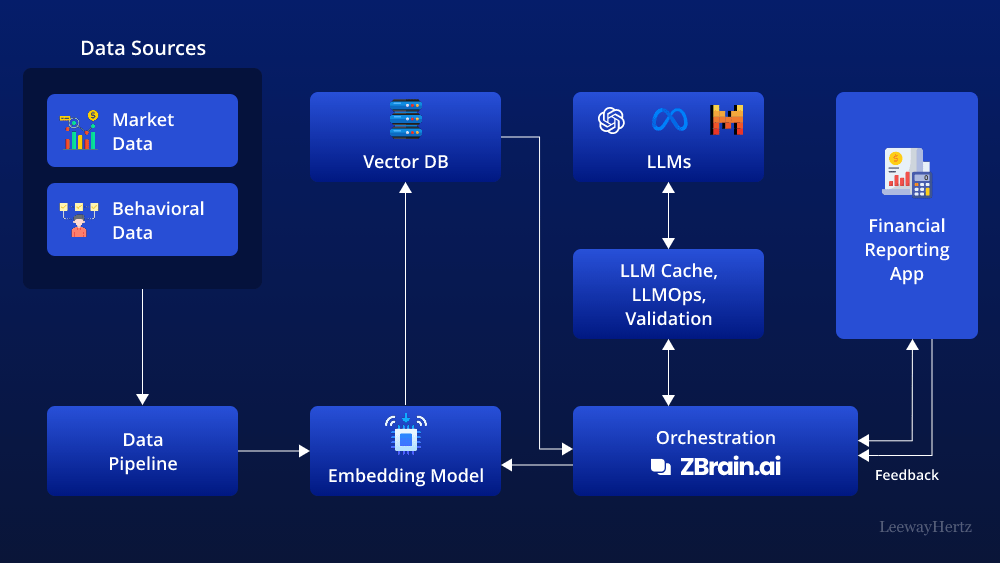
Understanding AI in Financial Reporting
Artificial intelligence refers to computer systems designed to perform tasks that normally require human intelligence. In the realm of financial reporting, AI systems analyze vast amounts of data, identify patterns, and make predictions. These systems are particularly effective in managing and interpreting the complex data that businesses generate, offering a level of precision and efficiency that traditional methods struggle to match.
AI for financial reporting is primarily used to automate routine tasks, such as data entry and reconciliation. By leveraging machine learning algorithms, AI can quickly process and analyze financial data, reducing the risk of human error and freeing up valuable time for finance professionals to focus on strategic decision-making.
Key Benefits of AI for Financial Reporting
Enhanced Accuracy and Reduced Errors
One of the most significant advantages of AI for financial reporting is its ability to minimize errors. Traditional financial reporting processes are prone to mistakes due to manual data entry and complex calculations. AI systems, however, can handle large volumes of data with high accuracy. Machine learning algorithms continuously improve their performance by learning from past data, which helps in identifying discrepancies and anomalies more effectively.
Increased Efficiency and Time Savings
AI for financial reporting can significantly increase operational efficiency. By automating repetitive tasks such as data extraction and report generation, AI reduces the time required to complete financial reports. This allows finance teams to concentrate on more strategic activities, such as analyzing trends and forecasting future financial performance. For example, AI-powered tools can generate real-time financial reports, enabling faster decision-making.
Improved Data Analysis and Insights
AI excels at analyzing complex datasets and uncovering valuable insights that may not be apparent through manual analysis. AI systems can process financial data from various sources and provide actionable insights, such as identifying cost-saving opportunities or detecting emerging financial risks. These insights are crucial for making informed business decisions and developing effective financial strategies.
Enhanced Compliance and Risk Management
Compliance with financial regulations is a critical aspect of financial reporting. AI for financial reporting helps ensure that businesses adhere to regulatory requirements by continuously monitoring transactions and flagging any compliance issues. Additionally, AI can enhance risk management by identifying potential financial risks and anomalies, allowing businesses to address issues before they escalate.
Practical Applications of AI in Financial Reporting
Automated Financial Statements
AI-powered software can automate the preparation of financial statements, including balance sheets, income statements, and cash flow statements. By integrating data from various financial systems, AI can generate accurate and timely financial statements with minimal manual intervention. This automation reduces the risk of errors and accelerates the reporting process.
Fraud Detection and Prevention
Fraud detection is a critical aspect of financial reporting, and AI plays a vital role in this area. AI systems can analyze transaction patterns and identify suspicious activities that may indicate fraud. By continuously monitoring financial transactions, AI can detect anomalies and alert finance teams to investigate potential fraudulent activities.
Predictive Analytics and Forecasting
AI for financial reporting includes advanced predictive analytics capabilities. Machine learning algorithms can analyze historical financial data to make accurate forecasts about future financial performance. This helps businesses anticipate trends, plan for potential challenges, and make data-driven decisions that support long-term financial goals.
Enhanced Reporting Accuracy
AI tools can enhance the accuracy of financial reports by automating data reconciliation and validation processes. For instance, AI systems can cross-check financial data against multiple sources to ensure consistency and accuracy. This level of scrutiny helps in producing reliable financial reports that stakeholders can trust.
Challenges and Considerations
While AI for financial reporting offers numerous benefits, there are also challenges to consider. Implementing AI systems requires a significant investment in technology and training. Additionally, businesses must ensure that AI systems comply with data privacy regulations and ethical standards.
Moreover, while AI can handle many tasks autonomously, human oversight is still essential. Finance professionals must interpret AI-generated insights and make strategic decisions based on a comprehensive understanding of the business context.
Conclusion
AI for financial reporting is revolutionizing how businesses manage and present their financial information. By enhancing accuracy, increasing efficiency, and providing valuable insights, AI is becoming an indispensable tool for modern financial reporting. As technology continues to advance, the role of AI in financial reporting will only grow, offering even more opportunities for businesses to optimize their financial processes and make informed decisions.
Embracing AI for financial reporting not only streamlines operations but also positions businesses for long-term success in an increasingly data-driven world. As companies continue to adopt and integrate AI technologies, the future of financial reporting looks promising, with AI playing a central role in shaping its evolution.
 New Tech news
Leave a comment