In today’s rapidly evolving technological landscape, AI-ready data stands as a cornerstone for the successful implementation of artificial intelligence (AI) systems. This type of data is crucial for AI models to learn, adapt, and make accurate predictions. However, ensuring your data is AI-ready involves overcoming several challenges and adopting best practices. This article will explore the roadblocks to achieving AI-ready data, the best practices for preparing it, its benefits, practical applications, essential tools and technologies, and future trends.
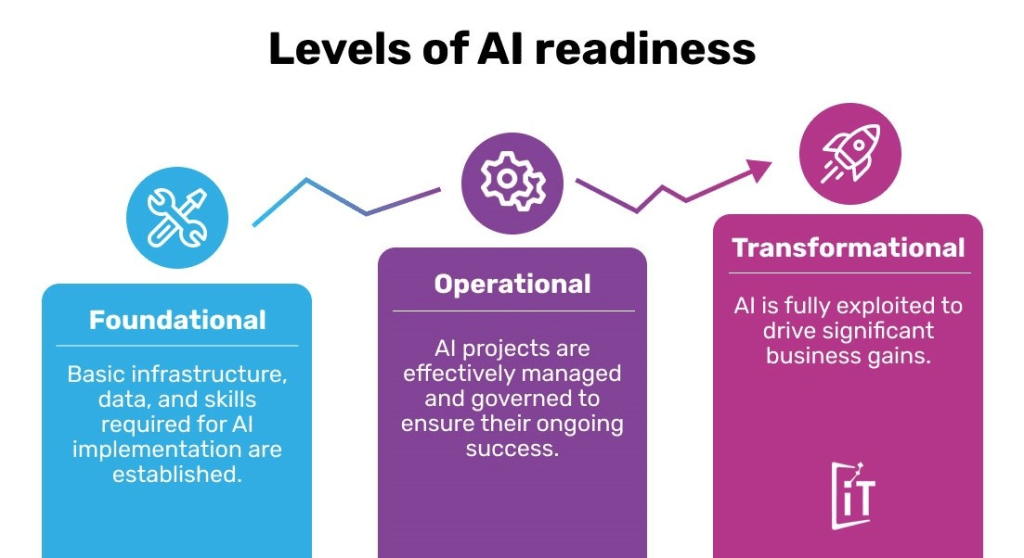
Roadblocks to AI-Ready Data
Achieving AI-ready data is not without its challenges. Common roadblocks include:
- Data Quality Issues: Inaccurate, incomplete, or inconsistent data can severely impact the performance of AI models. Ensuring data accuracy and completeness is fundamental for effective AI outcomes.
- Data Silos: Many organizations struggle with data stored in isolated systems. Integrating these disparate data sources into a cohesive dataset is essential for comprehensive AI analysis.
- Privacy and Security Concerns: With stringent data protection regulations like GDPR, handling personal and sensitive data while maintaining compliance can be complex.
- Scalability: As AI models require large datasets to train effectively, scaling data infrastructure to handle vast amounts of information is a significant challenge.
- Bias and Fairness: Data that is not representative of the real world can lead to biased AI outcomes. Ensuring diversity and fairness in data is crucial for developing equitable AI systems.
Best Practices for Preparing AI-Ready Data
To overcome these roadblocks and ensure your data is AI-ready, follow these best practices:
- Data Cleaning and Preprocessing: Regularly clean and preprocess your data to remove inaccuracies and inconsistencies. This includes handling missing values, correcting errors, and normalizing data formats.
- Data Integration: Consolidate data from various sources into a unified format. This helps in creating a comprehensive dataset that provides a complete view of the information.
- Ensure Data Privacy: Implement strong data protection measures and comply with relevant regulations to safeguard sensitive information.
- Bias Mitigation: Actively work to identify and eliminate biases in your data. This involves ensuring diversity and inclusivity in the dataset and regularly auditing data for fairness.
- Scalable Infrastructure: Invest in scalable data infrastructure to handle the growing volume of data. Cloud-based solutions and distributed computing can help manage large datasets efficiently.
Benefits of AI-Ready Data
When data is properly prepared and AI-ready, organizations can reap several benefits:
- Enhanced Accuracy: AI models trained on high-quality, comprehensive data can make more accurate predictions and decisions.
- Improved Efficiency: Streamlined and well-organized data reduces the time and effort required for data processing, enabling quicker insights and actions.
- Better Decision-Making: With reliable data, businesses can make informed decisions based on data-driven insights, leading to improved outcomes.
- Competitive Advantage: Organizations leveraging AI-ready data can gain a competitive edge by innovating faster and responding to market changes more effectively.
- Scalability: AI-ready data supports the scalability of AI systems, allowing businesses to expand their AI applications as needed.
Applications of AI-Ready Data
AI-ready data has a wide range of applications across various industries:
- Healthcare: In healthcare, AI-ready data can be used for predictive analytics, personalized medicine, and improving patient outcomes through data-driven insights.
- Finance: Financial institutions use AI-ready data for fraud detection, risk management, and optimizing investment strategies.
- Retail: In retail, AI-ready data helps in enhancing customer experiences, optimizing inventory management, and personalizing marketing efforts.
- Manufacturing: AI-ready data supports predictive maintenance, quality control, and supply chain optimization in manufacturing.
- Transportation: In transportation, AI-ready data is used for route optimization, autonomous vehicles, and traffic management.
Tools and Technologies for AI-Ready Data
Several tools and technologies are essential for preparing and managing AI-ready data:
- Data Management Platforms: Tools like Apache Hadoop and Apache Spark help in managing and processing large datasets efficiently.
- Data Integration Tools: Platforms such as Talend and Informatica facilitate data integration from multiple sources.
- Data Quality Tools: Solutions like DataRobot and Trifacta assist in ensuring data quality through automated cleaning and validation processes.
- Cloud Computing: Services like Amazon Web Services (AWS) and Google Cloud provide scalable infrastructure for handling large volumes of data.
- Machine Learning Frameworks: Libraries such as TensorFlow and PyTorch are crucial for developing and training AI models with AI-ready data.
Future Trends in AI-Ready Data
As AI technology continues to evolve, several trends are shaping the future of AI-ready data:
- Increased Automation: Automation in data preparation and cleaning processes will become more prevalent, reducing manual effort and improving efficiency.
- Advanced Data Privacy Solutions: Innovations in data privacy technologies will enhance the protection of sensitive information while complying with regulations.
- AI-Augmented Data Management: AI tools themselves will increasingly assist in managing and optimizing data, providing smarter insights and automation capabilities.
- Real-Time Data Processing: The demand for real-time data processing will grow, enabling more dynamic and immediate AI-driven decisions.
- Ethical AI Development: There will be a greater emphasis on developing AI systems with ethical considerations, focusing on fairness, transparency, and accountability.
In conclusion, achieving AI-ready data is a multi-faceted challenge that involves addressing roadblocks, adopting best practices, and leveraging the right tools and technologies. By preparing data effectively and understanding its benefits and applications, organizations can harness the full potential of AI and stay ahead in the competitive landscape. As technology advances, staying informed about future trends will be key to maintaining AI readiness and driving innovation.
 New Tech news
Leave a comment