Generative AI models are revolutionizing technology and creativity, offering innovative solutions across various fields. From art to language processing, these models are driving significant advancements. This article delves into what generative AI models are, how they work, and their impact on various industries.
What Are Generative AI Models?
Generative AI models are a subset of artificial intelligence designed to generate new content. Unlike traditional AI models that are primarily used for classification or prediction tasks, generative AI models create new data based on patterns learned from existing data. These models can generate anything from text and images to music and videos.
How Generative AI Models Work
Generative AI models utilize complex algorithms and deep learning techniques to produce new content. They are typically trained on large datasets to learn the underlying patterns and structures. Once trained, these models can generate content that is similar to the training data but not identical.
Key Techniques in Generative AI
- Generative Adversarial Networks (GANs): GANs consist of two neural networks—the generator and the discriminator. The generator creates new data, while the discriminator evaluates its authenticity. Through this adversarial process, GANs learn to produce increasingly realistic content.
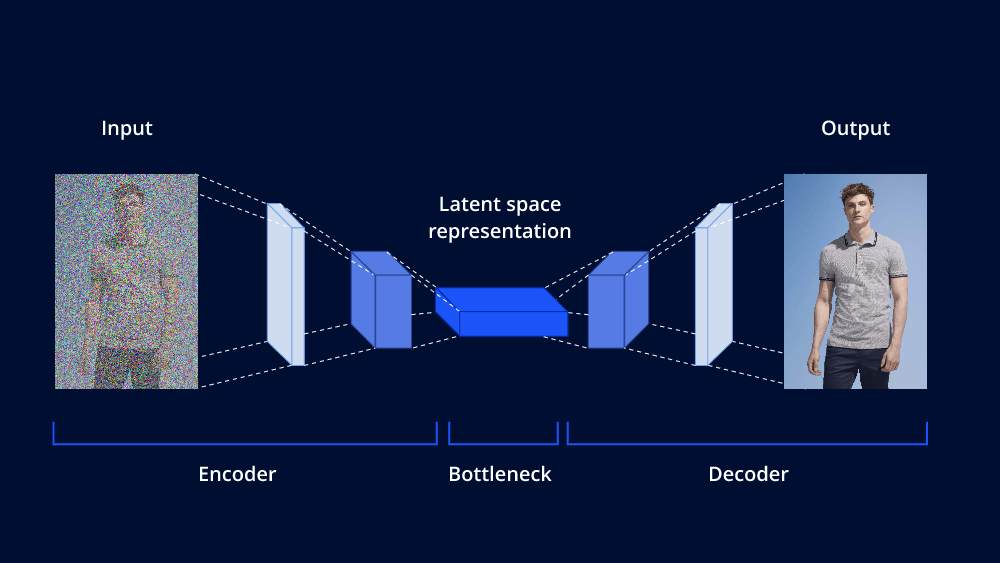
- Variational Autoencoders (VAEs): VAEs encode input data into a latent space and then decode it to generate new data. This technique is useful for creating variations of existing data and has applications in image and speech generation.
- Transformer Models: Transformers, like GPT-3, have revolutionized natural language processing. They generate human-like text by predicting the next word in a sequence, making them highly effective for text-based applications.
Applications of Generative AI Models
Generative AI models have a wide range of applications across different industries:
In Art and Design
Generative AI models are transforming the art world by enabling artists to explore new creative possibilities. These models can generate artwork, design patterns, and even assist in creating unique styles. Artists use generative models to enhance their creative processes and explore new artistic avenues.
In Healthcare
In healthcare, generative AI models are used for drug discovery and medical imaging. These models can generate molecular structures for potential new drugs and enhance the analysis of medical images, leading to more accurate diagnoses and treatment plans.
In Entertainment
The entertainment industry benefits from generative AI models through the creation of realistic virtual characters and environments. These models are used in video games, movies, and virtual reality experiences to generate lifelike graphics and immersive experiences.
In Language Processing
Generative AI models like GPT-3 have revolutionized language processing. They are used for tasks such as text generation, translation, and summarization. These models can produce coherent and contextually relevant text, making them valuable tools for content creation and communication.
Benefits of Generative AI Models
Generative AI models offer several benefits:
- Creativity and Innovation: They enable the creation of new and unique content, fostering innovation across various fields.
- Efficiency: These models can automate content generation, reducing the time and effort required for tasks such as writing and design.
- Personalization: Generative AI models can create personalized content based on individual preferences, enhancing user experiences.
- Improved Accuracy: In fields like healthcare, generative models contribute to more accurate diagnoses and better treatment options.
Challenges and Considerations
Despite their advantages, generative AI models also face challenges:
- Ethical Concerns: The ability to generate realistic content raises ethical questions about misinformation and copyright infringement.
- Bias and Fairness: Generative AI models can inadvertently perpetuate biases present in the training data, leading to biased outputs.
- Data Privacy: Generative models require large amounts of data, raising concerns about data privacy and security.
The Future of Generative AI Models
The future of generative AI models holds exciting possibilities. As technology advances, these models will become more sophisticated, enabling even more innovative applications. Continued research and development will address current challenges and unlock new potential for generative AI in various fields.
Conclusion
Generative AI models are a transformative force in technology, offering new possibilities across art, healthcare, entertainment, and language processing. By understanding how these models work and their applications, we can better appreciate their impact on our world. As we move forward, addressing the challenges and ethical considerations will be crucial in harnessing the full potential of generative AI models.
 New Tech news
Leave a comment