The automotive industry is undergoing a significant transformation, largely driven by advancements in artificial intelligence (AI). AI in automotive applications is revolutionizing how vehicles are designed, manufactured, and operated. This article explores the various ways AI in automotive is changing the landscape and highlights its potential to reshape the future of driving.
The Rise of AI in Automotive
Artificial intelligence in automotive technology has evolved from a futuristic concept to an integral part of modern vehicles. AI in automotive is not just about enhancing driving experiences but also about improving safety, efficiency, and convenience. By leveraging AI, automotive manufacturers can create smarter, more connected vehicles that respond to their environment and the driver’s needs.
Enhancing Vehicle Safety with AI
One of the most significant impacts of AI in automotive is the enhancement of vehicle safety. AI systems are used in advanced driver-assistance systems (ADAS) to provide features such as automatic emergency braking, lane-keeping assist, and adaptive cruise control. These systems rely on AI algorithms to process data from sensors and cameras, making real-time decisions that can prevent accidents and protect passengers.
AI in automotive safety features helps in reducing human error, which is a major factor in road accidents. For instance, AI-powered collision avoidance systems can detect potential hazards and take corrective actions, such as steering away from an obstacle or applying brakes automatically.
AI in Automotive Design and Manufacturing
The integration of AI in automotive design and manufacturing processes is streamlining production and fostering innovation. AI algorithms can analyze vast amounts of data to optimize vehicle design for performance, safety, and comfort. For example, AI can simulate crash tests, predict vehicle behavior under different conditions, and identify design improvements.
In manufacturing, AI-driven robotics and automation are enhancing precision and efficiency. AI in automotive factories is used to manage production lines, perform quality control, and even predict maintenance needs. This results in higher-quality vehicles and reduced production costs.
The Role of AI in Autonomous Vehicles
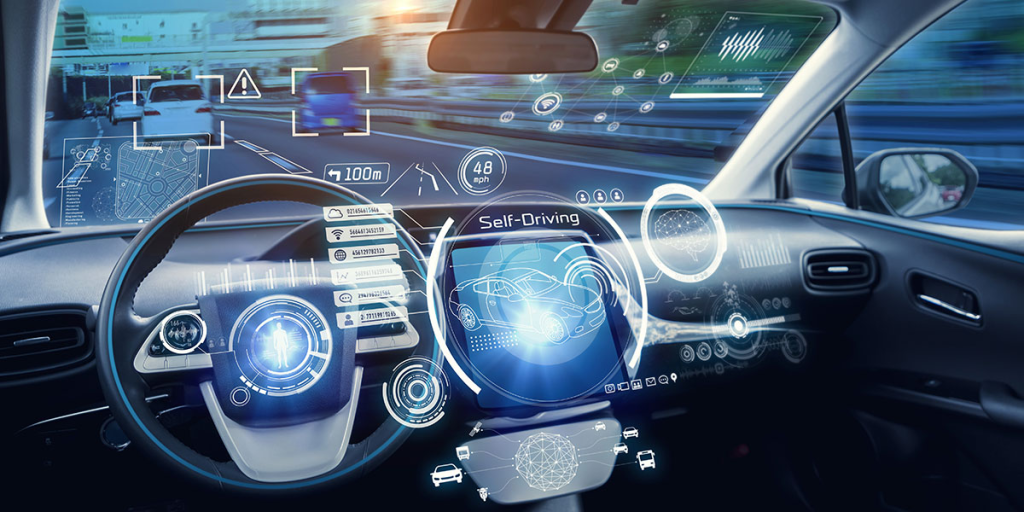
Autonomous vehicles represent the pinnacle of AI in automotive technology. Self-driving cars rely heavily on AI to navigate roads, interpret sensory data, and make decisions. AI algorithms process information from LIDAR, radar, cameras, and other sensors to understand the vehicle’s surroundings and respond accordingly.
AI in automotive autonomy involves complex tasks such as recognizing pedestrians, detecting road signs, and predicting the behavior of other road users. The goal is to create vehicles that can drive safely and efficiently without human intervention. Although fully autonomous vehicles are still in development, many modern cars already feature semi-autonomous functions, such as parking assistance and highway autopilot.
Improving Driving Experience with AI
AI in automotive technology is also enhancing the overall driving experience. AI-powered infotainment systems provide personalized recommendations for music, navigation, and even vehicle settings based on the driver’s preferences and behavior. Voice recognition technology allows drivers to control various functions without taking their hands off the wheel.
Additionally, AI in automotive is making vehicles more connected through the Internet of Things (IoT). Connected cars can communicate with each other and with infrastructure, providing real-time updates on traffic conditions, road hazards, and weather. This connectivity leads to more efficient routes, reduced travel time, and improved comfort for drivers.
AI and Vehicle Maintenance
AI in automotive is transforming vehicle maintenance by predicting potential issues before they become serious problems. AI algorithms analyze data from various sensors within the vehicle to monitor performance and detect anomalies. This predictive maintenance approach allows drivers to address issues proactively, reducing the likelihood of breakdowns and extending the vehicle’s lifespan.
For instance, AI systems can alert drivers to low tire pressure, engine performance issues, or the need for oil changes. This not only helps in maintaining the vehicle in optimal condition but also ensures that drivers are aware of maintenance needs before they affect vehicle performance.
Challenges and Future Prospects
Despite the numerous benefits of AI in automotive, there are challenges that need to be addressed. Issues related to data privacy, cybersecurity, and the ethical implications of autonomous driving must be carefully considered. Ensuring the safety and reliability of AI systems is crucial as they become more integral to vehicle operations.
Looking ahead, the future of AI in automotive holds exciting possibilities. Advances in machine learning, neural networks, and data analytics will continue to drive innovation. As AI technology evolves, we can expect even more sophisticated safety features, enhanced autonomous driving capabilities, and an overall improved driving experience.
Conclusion
AI in automotive is reshaping the industry in profound ways. From enhancing safety and optimizing manufacturing processes to paving the way for autonomous vehicles and improving the driving experience, AI is at the forefront of automotive innovation. As technology continues to advance, AI in automotive will play an increasingly vital role in shaping the future of transportation, making it safer, smarter, and more efficient.
By understanding and embracing the transformative impact of AI in automotive, both manufacturers and consumers can look forward to a new era of driving that promises greater convenience, safety, and innovation.
 New Tech news
Leave a comment