Introduction
In today’s fast-paced and competitive business environment, efficient inventory management is crucial for the success of any organization. The advent of artificial intelligence (AI) has brought transformative changes to how companies manage their inventory. This article explores the role of AI in inventory management, highlighting its benefits, applications, and how it is revolutionizing business operations.
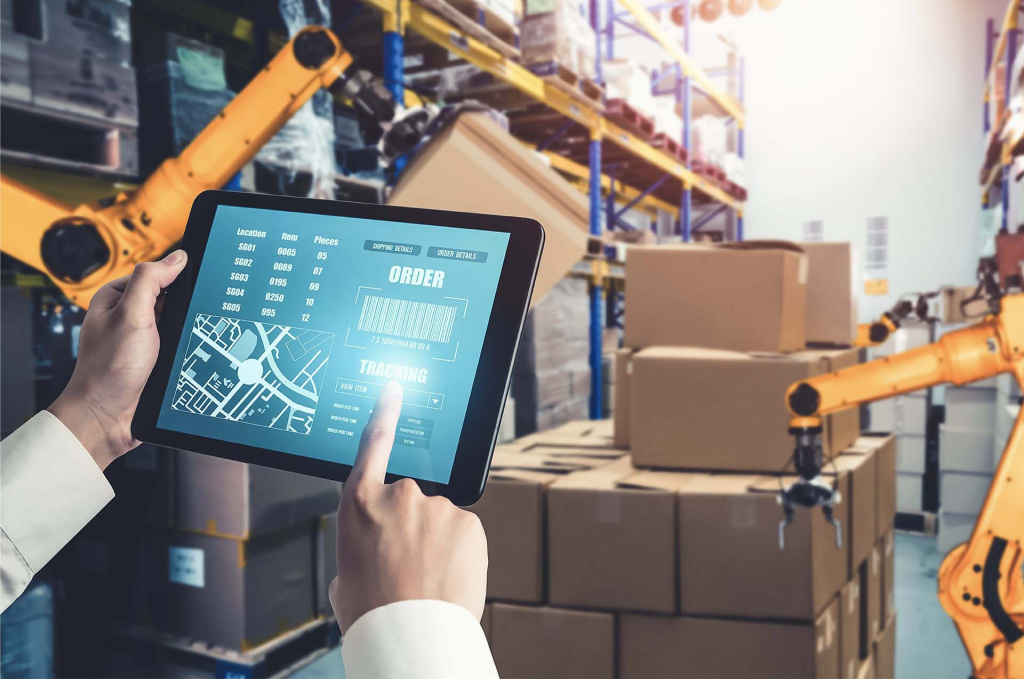
The Importance of AI in Inventory Management
Inventory management is the backbone of any supply chain. It involves tracking stock levels, managing orders, and ensuring that products are available when customers need them. Traditionally, inventory management has been a manual process, prone to human error and inefficiencies. However, with the introduction of AI in inventory management, companies are now able to automate and optimize these processes, leading to significant improvements in accuracy, efficiency, and cost savings.
Benefits of AI in Inventory Management
- Improved Forecasting and Demand Prediction One of the most significant advantages of using AI in inventory management is its ability to accurately predict demand. Traditional forecasting methods often rely on historical data and can be inaccurate. AI, on the other hand, uses machine learning algorithms to analyze vast amounts of data, including market trends, seasonal fluctuations, and customer behavior. This allows businesses to make more accurate predictions about future demand, reducing the risk of overstocking or stockouts.
- Enhanced Inventory Optimization AI in inventory management enables businesses to optimize their stock levels by analyzing data in real-time. This includes tracking sales, monitoring stock levels, and adjusting orders automatically. AI-driven inventory management systems can also identify slow-moving items and suggest strategies for their liquidation, helping businesses reduce excess inventory and free up valuable resources.
- Automation of Repetitive Tasks AI in inventory management automates many of the repetitive tasks associated with inventory control, such as order processing, stock counting, and replenishment. This not only reduces the workload for employees but also minimizes the risk of errors. By automating these tasks, businesses can ensure that their inventory is always up-to-date and accurately reflects the current demand.
- Cost Reduction and Increased Efficiency Implementing AI in inventory management can lead to significant cost savings. By optimizing inventory levels and reducing the risk of stockouts, businesses can avoid costly emergency shipments and lost sales. Additionally, AI-driven systems can streamline the entire supply chain process, from procurement to delivery, resulting in increased efficiency and reduced operational costs.
Applications of AI in Inventory Management
- Demand Forecasting AI in inventory management is particularly effective in demand forecasting. Machine learning algorithms analyze historical sales data, market trends, and other relevant factors to predict future demand. This allows businesses to adjust their inventory levels accordingly, ensuring that they have the right amount of stock on hand at all times.
- Automated Replenishment Another key application of AI in inventory management is automated replenishment. AI systems can monitor stock levels in real-time and automatically reorder products when they reach a predetermined threshold. This eliminates the need for manual intervention and ensures that businesses never run out of stock.
- Inventory Tracking and Management AI in inventory management also plays a crucial role in tracking and managing inventory across multiple locations. AI-driven systems can provide real-time visibility into stock levels, helping businesses manage their inventory more effectively. This is particularly beneficial for companies with multiple warehouses or retail locations, as it allows them to optimize their inventory distribution and reduce the risk of stock imbalances.
- Predictive Maintenance AI in inventory management can also be used for predictive maintenance of inventory-related equipment, such as storage systems and transportation vehicles. By analyzing data from sensors and other monitoring devices, AI systems can predict when equipment is likely to fail and schedule maintenance before a breakdown occurs. This helps businesses avoid costly downtime and ensures that their inventory operations run smoothly.
Challenges and Considerations
While the benefits of AI in inventory management are clear, there are also challenges to consider. Implementing AI-driven systems requires significant investment in technology and training. Additionally, businesses must ensure that their data is accurate and up-to-date, as AI systems rely heavily on data to make informed decisions. However, the long-term benefits of AI in inventory management far outweigh these challenges, making it a worthwhile investment for any organization.
The Future of AI in Inventory Management
The future of AI in inventory management looks promising. As AI technology continues to advance, we can expect even more sophisticated and powerful tools to emerge. These tools will further enhance the accuracy and efficiency of inventory management processes, helping businesses stay ahead of the competition.
One area of growth is the integration of AI with other emerging technologies, such as the Internet of Things (IoT) and blockchain. IoT devices can provide real-time data on inventory levels and environmental conditions, while blockchain can ensure the transparency and security of inventory transactions. Together, these technologies, powered by AI, will revolutionize how businesses manage their inventory.
Conclusion
AI in inventory management is transforming the way businesses operate, offering numerous benefits, from improved forecasting and inventory optimization to cost reduction and increased efficiency. While there are challenges to implementing AI-driven systems, the long-term advantages make it a crucial investment for any organization looking to enhance its inventory management processes. As AI technology continues to evolve, its role in inventory management will only grow, paving the way for more innovative and efficient supply chain solutions.
 New Tech news
Leave a comment