The integration of Artificial Intelligence (AI) in logistics and supply chain management is transforming the way businesses operate, making processes more efficient and cost-effective. As companies strive to meet the increasing demands of a global marketplace, AI is playing a crucial role in optimizing logistics and supply chain operations. This article explores the various use cases, applications, solutions, and implementation strategies of AI in logistics and supply chain management.
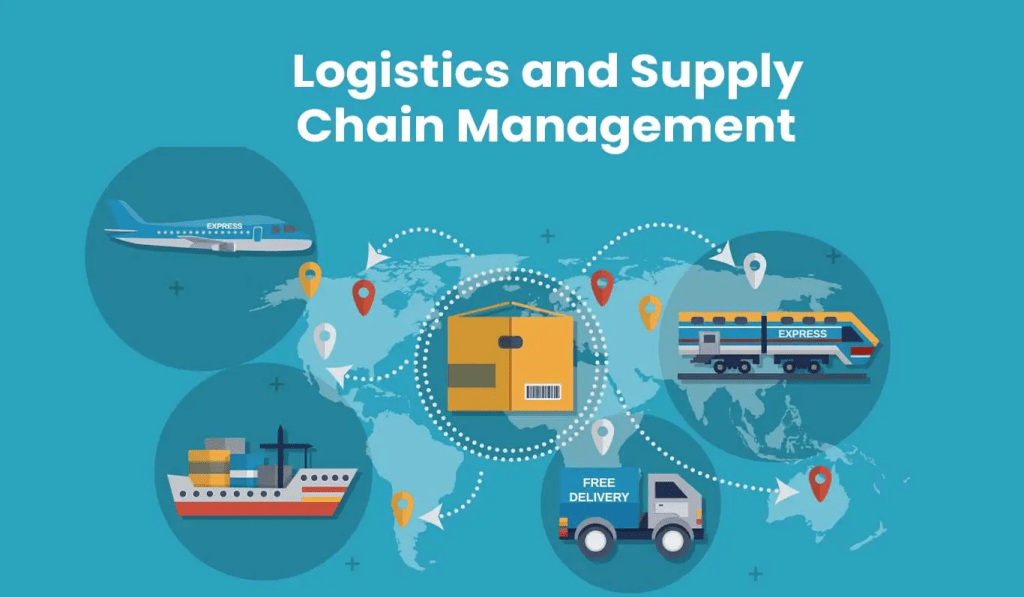
Use Cases of AI in Logistics and Supply Chain
AI in logistics and supply chain is revolutionizing traditional practices with innovative solutions that enhance efficiency and accuracy. Here are some key use cases:
1. Predictive Analytics for Demand Forecasting
AI-powered predictive analytics enable businesses to forecast demand with greater accuracy. By analyzing historical data and market trends, AI algorithms can predict future demand patterns, allowing companies to adjust inventory levels and production schedules accordingly. This minimizes stockouts and reduces excess inventory, leading to cost savings and improved customer satisfaction.
2. Route Optimization for Transportation
AI in logistics helps optimize transportation routes by analyzing various factors such as traffic conditions, weather, and delivery windows. Advanced algorithms can determine the most efficient routes, reducing fuel consumption and delivery times. This not only cuts operational costs but also enhances the overall customer experience by ensuring timely deliveries.
3. Warehouse Automation
AI-driven robotics and automation systems are transforming warehouse operations. Automated systems handle tasks such as picking, packing, and sorting with high precision and speed. AI technologies enable real-time tracking and management of inventory, reducing human error and increasing operational efficiency.
4. Supply Chain Risk Management
AI tools assess potential risks in the supply chain by analyzing data from various sources, including supplier performance, geopolitical events, and market fluctuations. By identifying and mitigating risks proactively, companies can avoid disruptions and maintain a smooth supply chain operation.
Applications of AI in Logistics and Supply Chain
The applications of AI in logistics and supply chain management are diverse and impactful. Here’s a look at how AI technologies are applied across different areas:
1. Intelligent Transportation Systems
AI enhances intelligent transportation systems (ITS) by integrating real-time data from sensors, GPS, and traffic management systems. This integration allows for dynamic route planning, real-time traffic updates, and automated vehicle management, leading to more efficient and reliable transportation networks.
2. Automated Inventory Management
AI applications in inventory management include automated replenishment systems that use real-time data to reorder products as needed. Machine learning algorithms analyze inventory levels, sales patterns, and supplier lead times to ensure optimal stock levels and reduce the risk of overstocking or stockouts.
3. Enhanced Customer Service
AI-powered chatbots and virtual assistants are improving customer service in logistics and supply chain management. These tools provide real-time assistance, handle inquiries, track shipments, and offer personalized recommendations, leading to a more responsive and customer-centric service.
4. Smart Forecasting and Planning
AI-driven forecasting tools use machine learning to analyze vast amounts of data and generate accurate predictions for sales, demand, and supply chain performance. These insights enable better decision-making and strategic planning, helping companies align their operations with market demands.
Solutions for Implementing AI in Logistics and Supply Chain
Implementing AI in logistics and supply chain requires a strategic approach and the right set of solutions. Here are some effective strategies and tools for successful AI adoption:
1. Invest in AI Technologies
Investing in AI technologies such as machine learning platforms, robotics, and advanced analytics tools is essential for leveraging AI in logistics and supply chain management. Companies should explore solutions that align with their specific needs and goals, ensuring a good fit for their operations.
2. Data Integration and Management
Successful AI implementation relies on high-quality data. Companies must focus on integrating data from various sources, including IoT devices, ERP systems, and external databases. Effective data management practices ensure that AI algorithms have access to accurate and relevant information for analysis.
3. Collaboration with AI Vendors
Partnering with AI vendors and solution providers can facilitate the implementation process. Vendors offer expertise in AI technologies and can assist with system integration, customization, and ongoing support. Collaborating with experienced partners helps businesses navigate the complexities of AI adoption.
4. Employee Training and Change Management
AI implementation involves changes in workflows and processes. Providing training for employees on new AI tools and technologies is crucial for a smooth transition. Change management strategies should be employed to address any resistance and ensure that staff are equipped to work effectively with AI solutions.
Conclusion
AI in logistics and supply chain management is reshaping the industry by offering advanced solutions for efficiency, accuracy, and cost savings. From predictive analytics and route optimization to warehouse automation and risk management, AI applications are driving significant improvements in operations. By investing in AI technologies, integrating data, collaborating with vendors, and training employees, businesses can successfully implement AI and reap the benefits of a more streamlined and responsive supply chain. Embracing AI in logistics and supply chain management is not just a trend but a strategic move towards achieving long-term success in a competitive market.
 New Tech news
Leave a comment