Introduction
In the fast-evolving world of technology, generative AI has emerged as a groundbreaking innovation with significant implications for enterprises. As businesses seek to leverage AI to streamline operations and enhance decision-making, understanding generative AI architecture becomes crucial. This article delves into how generative AI architecture is reshaping AI application development services for enterprises, offering insights into its benefits, applications, and implementation strategies.
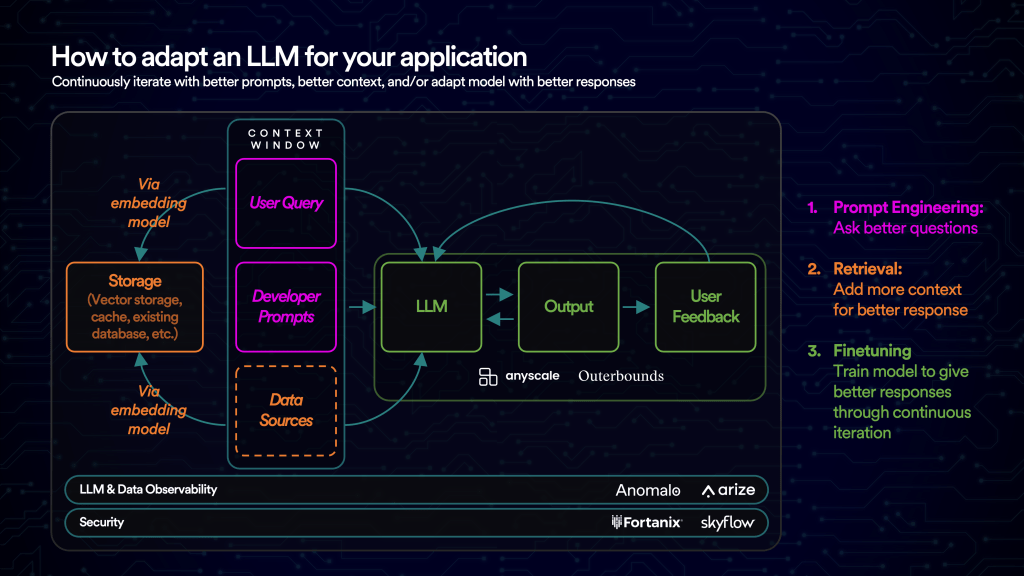
What is Generative AI Architecture?
Generative AI refers to a subset of artificial intelligence that focuses on creating new content or solutions based on learned patterns and data. Unlike traditional AI systems that perform predefined tasks, generative AI models can generate novel outputs, such as text, images, or even complex data sets. This capability is driven by advanced architectures that enable machines to understand and produce content that mimics human creativity.
Generative AI architecture encompasses various models and frameworks designed to handle the complexities of generating new content. These include Generative Adversarial Networks (GANs), Variational Autoencoders (VAEs), and Transformer-based models. Each of these architectures plays a crucial role in different AI application development services.
The Impact of Generative AI on Enterprise AI Application Development Services
Generative AI has a profound impact on AI application development services within enterprises. By integrating generative AI, businesses can unlock new possibilities for automation, creativity, and efficiency. Here’s how:
- Enhanced Content Creation
Generative AI models excel at creating high-quality content across various formats. For enterprises, this means the ability to generate marketing materials, product descriptions, and even creative designs with minimal human intervention. AI application development services that leverage generative AI can help businesses automate content production, ensuring consistency and speeding up the creation process.
- Advanced Data Analysis
In the realm of data analytics, generative AI can simulate complex data scenarios and generate synthetic data that mirrors real-world conditions. This capability is particularly valuable for enterprises that need to test models and algorithms under various conditions without compromising sensitive information. AI application development services utilizing generative AI can provide more robust data analysis and simulation capabilities.
- Innovative Product Development
Generative AI can drive innovation in product development by suggesting new product features, designs, and functionalities based on market trends and consumer feedback. Enterprises can use generative models to prototype and test new ideas quickly, reducing time-to-market and staying ahead of competitors. AI application development services can integrate these capabilities to support dynamic and iterative product development processes.
Key Considerations for Implementing Generative AI in Enterprises
While generative AI offers numerous benefits, implementing it within enterprise settings requires careful planning and consideration. Here are some key factors to keep in mind:
- Data Quality and Management
The effectiveness of generative AI models largely depends on the quality of the data they are trained on. Enterprises need to ensure they have access to high-quality, relevant data and implement robust data management practices. AI application development services should focus on creating systems that can handle data preprocessing, cleaning, and augmentation to maximize the performance of generative models.
- Integration with Existing Systems
Integrating generative AI into existing enterprise systems can be challenging. It requires aligning new AI capabilities with current workflows and technologies. AI application development services should include thorough integration planning to ensure that generative AI solutions complement existing processes and systems without causing disruptions.
- Ethical and Privacy Considerations
Generative AI raises important ethical and privacy concerns, particularly regarding the use of generated content and data. Enterprises must address these concerns by implementing appropriate safeguards and ensuring compliance with relevant regulations. AI application development services should incorporate features that enhance transparency and accountability in generative AI applications.
Future Trends and Opportunities
The future of generative AI in enterprise AI application development services is promising, with several emerging trends and opportunities:
- Personalized Customer Experiences
Generative AI can create highly personalized customer experiences by generating tailored content and recommendations. As enterprises seek to improve customer engagement, generative AI will play a key role in delivering customized interactions that resonate with individual preferences.
- Collaboration with Human Creativity
Rather than replacing human creativity, generative AI is expected to augment it. By providing new tools and insights, generative AI can collaborate with human teams to explore innovative solutions and creative ideas. This synergy between AI and human creativity will drive further advancements in various industries.
- Improved Decision-Making
Generative AI models can enhance decision-making by simulating potential outcomes and generating scenarios for analysis. Enterprises can leverage these capabilities to make more informed decisions and navigate complex business environments with greater confidence.
Conclusion
Generative AI architecture represents a transformative force in enterprise AI application development services. By enabling the creation of novel content, enhancing data analysis, and driving innovation, generative AI offers significant advantages for businesses. However, successful implementation requires careful consideration of data quality, integration, and ethical considerations. As generative AI continues to evolve, it promises to unlock new opportunities for enterprises, fostering a future where AI and human creativity work hand in hand to drive progress and innovation.
 New Tech news
Leave a comment