Introduction: What is Generative AI in Manufacturing?
Generative AI in manufacturing represents a transformative shift in how products are designed, produced, and optimized. Unlike traditional AI, which typically analyzes existing data, Generative AI creates new, innovative solutions by leveraging advanced algorithms. This capability opens up exciting possibilities for improving efficiency, reducing costs, and fostering creativity within the manufacturing sector. This article explores how Generative AI in manufacturing is changing the industry and what it means for the future.
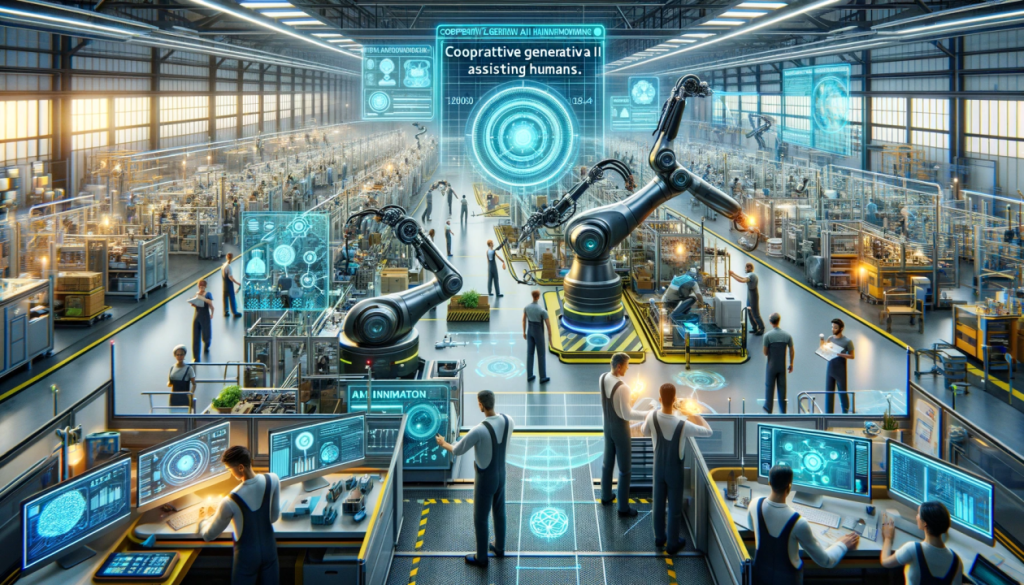
Streamlining Design Processes with Generative AI
One of the most significant advantages of Generative AI in manufacturing is its ability to streamline the design process. Traditionally, product design involves numerous iterations and manual adjustments. Generative AI, however, uses algorithms to generate multiple design options based on a set of parameters provided by engineers. This process speeds up the design phase, reduces human error, and often leads to more innovative and efficient designs.
For example, Generative AI can optimize complex geometries that are beyond the capabilities of human designers. It can create designs that minimize material usage while maintaining structural integrity, resulting in lighter and more cost-effective products. This capability is particularly valuable in industries such as aerospace and automotive, where precision and material efficiency are critical.
Enhancing Production Efficiency with Generative AI
Generative AI in manufacturing also plays a crucial role in enhancing production efficiency. By analyzing vast amounts of data from production processes, Generative AI can identify patterns and optimize workflows. This includes improving scheduling, predicting equipment maintenance needs, and reducing downtime.
Machine learning algorithms, a subset of Generative AI, can predict potential issues before they occur. For instance, if a manufacturing machine is likely to fail, Generative AI can alert operators and suggest preventative measures, thereby minimizing costly disruptions. This proactive approach helps manufacturers maintain consistent production quality and reduce operational costs.
Driving Innovation and Customization
Innovation is a key driver of competitiveness in manufacturing, and Generative AI is at the forefront of this revolution. Generative AI’s ability to create novel solutions means manufacturers can explore new designs and materials that were previously unfeasible. This leads to the development of innovative products that can set companies apart in the marketplace.
Customization is another area where Generative AI shines. With the increasing demand for personalized products, Generative AI can generate custom designs tailored to individual customer specifications. This capability not only meets the demand for unique products but also enhances customer satisfaction and loyalty.
Reducing Waste and Environmental Impact
Sustainability is an important concern in modern manufacturing, and Generative AI in manufacturing contributes significantly to reducing waste and environmental impact. By optimizing designs for material efficiency and manufacturing processes, Generative AI helps minimize excess material usage and energy consumption.
For example, Generative AI can design components with complex geometries that use less material without compromising strength or functionality. This approach reduces waste and energy use, leading to more environmentally friendly manufacturing practices. Additionally, Generative AI can optimize supply chain logistics, further reducing the carbon footprint associated with transportation and storage.
Challenges and Considerations
While Generative AI in manufacturing offers numerous benefits, there are also challenges to consider. The implementation of Generative AI requires a substantial investment in technology and training. Companies must ensure that their workforce is equipped to handle new AI-driven tools and processes.
Data security is another concern. Generative AI relies on vast amounts of data, and protecting this data from cyber threats is crucial. Manufacturers need to implement robust security measures to safeguard sensitive information.
Moreover, while Generative AI can enhance design and production processes, it is not a replacement for human expertise. The technology should be seen as a tool that complements human creativity and decision-making rather than replacing it.
The Future of Generative AI in Manufacturing
Looking ahead, Generative AI is poised to play an even more significant role in manufacturing. As technology continues to advance, we can expect further improvements in design optimization, production efficiency, and sustainability. The integration of Generative AI with other emerging technologies, such as the Internet of Things (IoT) and advanced robotics, will likely create new opportunities for innovation and growth in the manufacturing sector.
Manufacturers who embrace Generative AI will be well-positioned to stay competitive in a rapidly evolving industry. By leveraging the power of this technology, they can drive efficiencies, foster creativity, and meet the growing demand for personalized and sustainable products.
Conclusion: Embracing Generative AI in Manufacturing
Generative AI in manufacturing is a game-changer, offering unprecedented opportunities for innovation, efficiency, and sustainability. As the technology continues to evolve, manufacturers who adopt Generative AI will gain a competitive edge, driving the industry forward into a new era of productivity and creativity. Embracing this technology not only enhances operational performance but also contributes to a more sustainable and environmentally friendly future.
 New Tech news
Leave a comment