Introduction
Building a private Language Model (LLM) is becoming increasingly popular as organizations seek to harness the power of artificial intelligence while maintaining control over their data and models. This guide will walk you through the essential steps on how to build a private LLM that meets your needs. By following these steps, you’ll be able to create a powerful AI tool tailored to your specific requirements, ensuring data privacy and security.
Understanding LLMs
What is a Language Model?
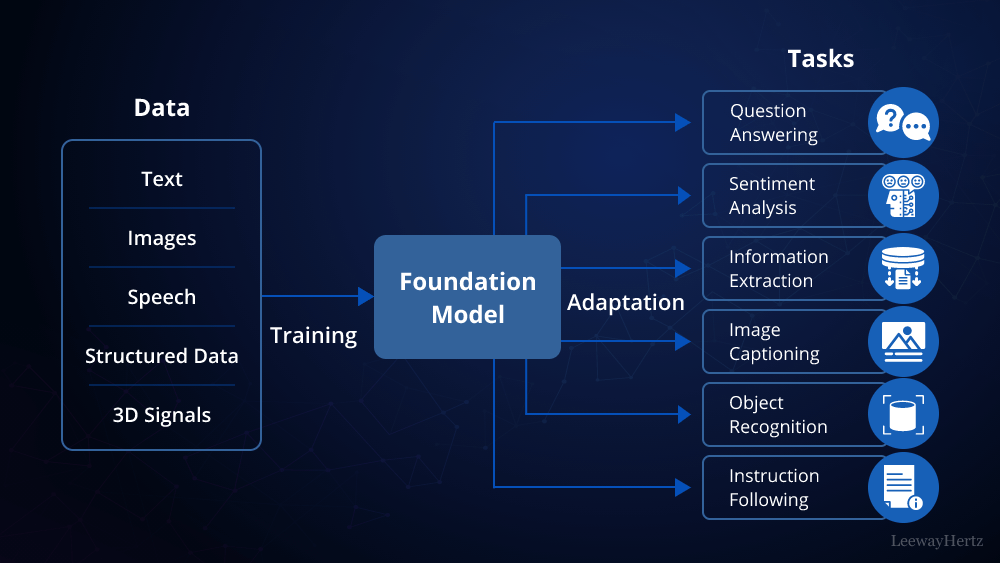
A Language Model (LLM) is a type of artificial intelligence designed to understand and generate human language. It’s trained on vast amounts of text data, enabling it to predict and produce coherent sentences. Popular examples include GPT-3 and BERT.
Why Build a Private LLM?
Creating a private LLM ensures that your data remains confidential, reduces dependency on third-party services, and allows customization specific to your industry or application.
Step 1: Define Your Objectives
Identify Use Cases
Before diving into the technical aspects of how to build a private LLM, clearly define what you want to achieve. Common use cases include customer support automation, content creation, and data analysis.
Determine Requirements
List the requirements such as the size of the model, computational resources, and privacy standards. This will guide your choices in the following steps.
Step 2: Prepare Your Data
Collect Data
Gather high-quality text data relevant to your use case. This could include internal documents, industry-specific literature, and public datasets.
Clean and Preprocess Data
Clean the data to remove any irrelevant information, duplicates, and errors. Preprocessing steps like tokenization, stemming, and lemmatization are crucial for preparing the data for training.
Step 3: Choose the Right Tools and Frameworks
Select a Framework
Popular frameworks for building LLMs include TensorFlow, PyTorch, and Hugging Face’s Transformers. Each has its advantages, so choose one that aligns with your requirements and expertise.
Hardware Considerations
Training an LLM requires significant computational power. Depending on your model size, you might need high-performance GPUs or TPUs. Cloud services like AWS, Google Cloud, and Azure offer scalable solutions if local resources are insufficient.
Step 4: Build and Train the Model
Model Architecture
Design the architecture of your LLM. This involves choosing the number of layers, attention heads, and other hyperparameters. Start with a proven architecture like GPT or BERT and customize as needed.
Training the Model
Training involves feeding the preprocessed data into the model and adjusting weights based on the error rate. This process is iterative and can take days or weeks depending on your model size and hardware. Use techniques like transfer learning to speed up the process by starting with a pre-trained model and fine-tuning it on your data.
Step 5: Evaluate and Fine-Tune the Model
Evaluate Performance
After training, evaluate your model using metrics like accuracy, perplexity, and BLEU score. This helps in understanding how well the model performs and identifying areas for improvement.
Fine-Tuning
Based on the evaluation, fine-tune the model by adjusting hyperparameters, adding more data, or applying regularization techniques to prevent overfitting.
Step 6: Deploy and Monitor
Deployment
Deploy your model on a secure server or cloud platform. Ensure it’s accessible through an API for easy integration with your applications.
Monitoring and Maintenance
Monitor the performance of your LLM continuously. Update it with new data and retrain periodically to keep it relevant and accurate.
Conclusion
Learning how to build a private LLM involves careful planning, substantial computational resources, and ongoing maintenance. By following these steps, you can create a powerful, customized language model that enhances your organization’s capabilities while maintaining control over your data and AI tools. This guide provides a clear, simple roadmap for anyone looking to embark on the journey of building a private LLM.
 New Tech news
Leave a comment