Introduction: The Role of AI Agents in Compliance
In today’s rapidly evolving business landscape, compliance has become a critical focus for organizations. With regulatory requirements growing increasingly complex, companies are turning to technology to help manage their compliance obligations. One of the most transformative tools in this area is the use of AI agents in compliance. These intelligent systems are designed to automate and enhance compliance processes, providing a range of benefits from efficiency to accuracy. This article explores how AI agents in compliance are changing the game for businesses across various industries.
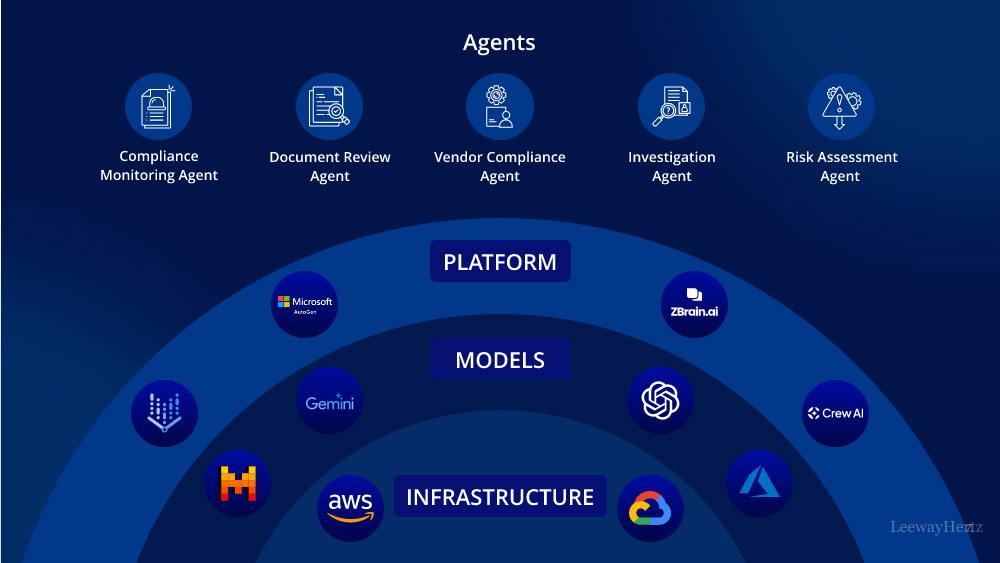
What Are AI Agents in Compliance?
AI agents in compliance refer to advanced artificial intelligence systems that are specifically designed to assist with regulatory adherence and risk management. These agents leverage machine learning, natural language processing, and other AI technologies to analyze data, monitor activities, and ensure that an organization meets all required standards and regulations.
The Benefits of AI Agents in Compliance
- Increased Efficiency
One of the primary advantages of using AI agents in compliance is their ability to streamline processes. Traditionally, compliance tasks such as data monitoring, risk assessment, and regulatory reporting are time-consuming and labor-intensive. AI agents can automate these tasks, significantly reducing the time and effort required. For instance, AI systems can quickly scan vast amounts of data to identify compliance issues, something that would be impractical for human employees to do manually.
- Enhanced Accuracy
Accuracy is crucial in compliance management, as even minor errors can lead to significant legal and financial repercussions. AI agents in compliance are designed to minimize errors by using algorithms that can process information with a high degree of precision. These systems are capable of identifying inconsistencies, anomalies, and potential compliance breaches more accurately than traditional methods.
- Real-Time Monitoring and Reporting
Compliance regulations often require real-time monitoring and reporting to ensure that businesses are adhering to the latest standards. AI agents in compliance can continuously track activities and generate real-time reports, providing organizations with up-to-date information on their compliance status. This proactive approach allows companies to address potential issues before they become significant problems.
- Cost Savings
Implementing AI agents in compliance can lead to substantial cost savings. By automating routine tasks and reducing the need for manual oversight, organizations can lower their operational costs. Additionally, the reduced risk of compliance-related penalties and fines further contributes to financial savings.
How AI Agents in Compliance Work
AI agents in compliance operate using a combination of technologies. Here’s a simplified overview of how they function:
- Data Collection and Analysis
AI agents begin by collecting data from various sources within an organization, such as financial records, transaction logs, and communications. They then use machine learning algorithms to analyze this data, identifying patterns and discrepancies that may indicate compliance issues.
- Rule-Based Systems
Many AI agents use rule-based systems to enforce compliance standards. These systems are programmed with specific rules and regulations relevant to the organization’s industry. When the AI detects a violation of these rules, it can trigger alerts or initiate corrective actions.
- Natural Language Processing
Natural Language Processing (NLP) allows AI agents to understand and interpret human language. This capability is particularly useful for analyzing regulatory documents, legal texts, and other written materials. NLP helps AI agents to ensure that the organization’s practices align with the latest regulations and guidelines.
- Machine Learning
Machine learning enables AI agents to improve over time. As these systems process more data and encounter different scenarios, they learn from their experiences and become better at predicting and identifying compliance issues. This continuous learning process helps AI agents stay current with evolving regulations and industry standards.
Challenges and Considerations
While AI agents in compliance offer numerous benefits, they are not without challenges. Some key considerations include:
- Data Privacy
Ensuring that AI agents handle sensitive information securely is crucial. Organizations must implement robust data protection measures to prevent breaches and unauthorized access.
- Regulatory Changes
Regulations are constantly evolving, and AI agents must be updated to reflect these changes. Continuous monitoring and updates are necessary to ensure that the AI systems remain effective.
- Integration with Existing Systems
Integrating AI agents into existing compliance frameworks and IT systems can be complex. Organizations need to carefully plan and execute these integrations to avoid disruptions and ensure seamless operation.
Conclusion: Embracing AI Agents in Compliance
AI agents in compliance represent a significant advancement in the way organizations manage their regulatory obligations. By enhancing efficiency, accuracy, and real-time monitoring, these intelligent systems are transforming the compliance landscape. As businesses continue to navigate an increasingly complex regulatory environment, embracing AI agents in compliance will be a key factor in achieving and maintaining regulatory adherence.
 New Tech news
Leave a comment