Artificial Intelligence (AI) is revolutionizing the field of information technology (IT) in unprecedented ways. From enhancing data security to optimizing workflows, AI in information technology is paving the way for a future where systems are smarter, faster, and more efficient. In this article, we’ll explore how AI is being integrated into various aspects of IT, its benefits, and the challenges it presents.
Enhancing Data Security
One of the most critical applications of AI in information technology is in the realm of data security. With cyber threats becoming more sophisticated, traditional security measures are often insufficient. AI algorithms can analyze vast amounts of data to identify patterns and detect anomalies that may indicate a security breach.
Predictive Analytics for Threat Detection
AI-powered predictive analytics can forecast potential security threats before they occur. By analyzing historical data and identifying trends, AI systems can predict where and when a cyberattack might happen. This proactive approach to security allows IT departments to fortify their defenses and respond to threats in real time.
Automated Response Systems
In addition to detecting threats, AI can also automate responses to security incidents. Automated systems can isolate affected systems, block unauthorized access, and initiate recovery protocols without human intervention. This rapid response capability significantly reduces the potential damage caused by cyberattacks.
Streamlining IT Operations
AI in information technology is also transforming how IT operations are managed. By automating routine tasks and providing intelligent insights, AI helps IT professionals focus on more strategic initiatives.
Intelligent Automation
AI-powered tools can automate repetitive tasks such as software updates, system maintenance, and network monitoring. This not only reduces the workload on IT staff but also ensures that these tasks are performed consistently and accurately. For example, AI can manage patch management processes, ensuring that systems are always up-to-date with the latest security patches.
Predictive Maintenance
Predictive maintenance is another area where AI is making a significant impact. By analyzing data from various sensors and devices, AI can predict when hardware components are likely to fail. This allows IT departments to perform maintenance before a failure occurs, minimizing downtime and extending the lifespan of equipment.
Enhancing User Experience
AI in information technology is not just about improving backend operations; it also plays a crucial role in enhancing the user experience. From chatbots to personalized content, AI is making IT systems more user-friendly and responsive.
AI-Powered Chatbots
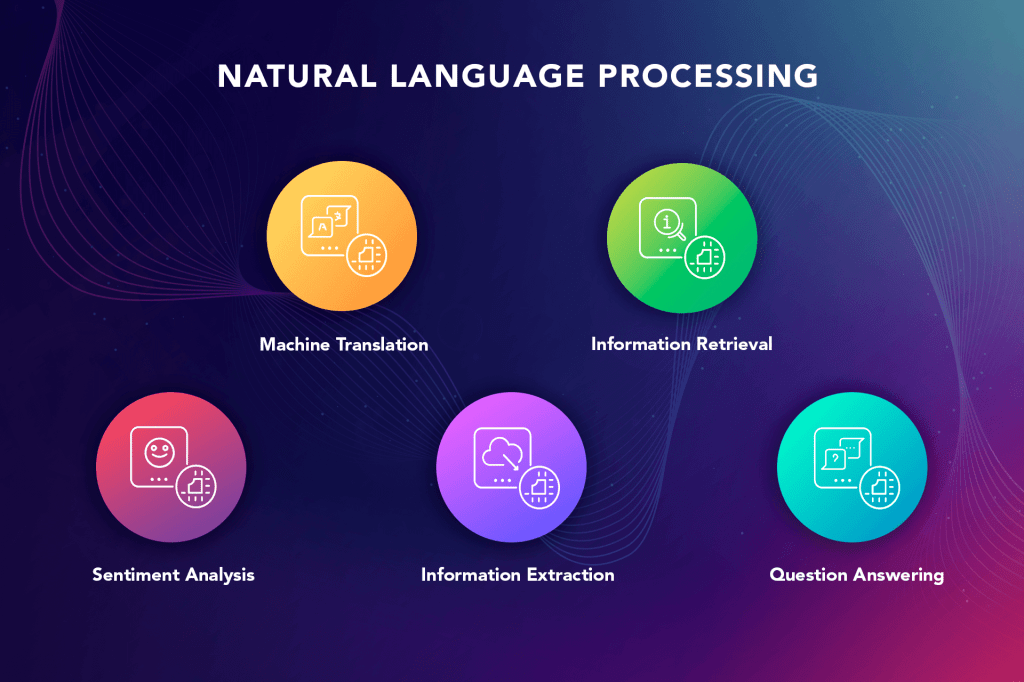
AI-powered chatbots are becoming increasingly common in customer support and IT helpdesk functions. These chatbots can handle a wide range of queries, providing instant responses and freeing up human agents to tackle more complex issues. By leveraging natural language processing (NLP), chatbots can understand and respond to user queries in a conversational manner, improving the overall user experience.
Personalized User Interfaces
AI can also create personalized user interfaces based on individual user preferences and behavior. By analyzing how users interact with systems, AI can tailor interfaces to make them more intuitive and efficient. This personalized approach enhances user satisfaction and productivity.
Challenges and Considerations
While the benefits of AI in information technology are significant, there are also challenges and considerations that organizations must address.
Data Privacy Concerns
The use of AI often involves collecting and analyzing large amounts of data, raising concerns about data privacy. Organizations must ensure that they comply with data protection regulations and implement robust privacy measures to safeguard user information.
Skill Gap and Workforce Impact
The integration of AI in information technology requires a workforce with specialized skills in AI and machine learning. There is a growing need for training and upskilling IT professionals to bridge this skill gap. Additionally, as AI automates more tasks, there is a concern about the potential impact on jobs. Organizations must find a balance between leveraging AI for efficiency and ensuring that their workforce adapts to the changing landscape.
Ethical Considerations
AI systems can sometimes make decisions that have significant ethical implications. For example, AI algorithms used in hiring processes or loan approvals must be carefully designed to avoid biases. Organizations must establish ethical guidelines and ensure that their AI systems operate transparently and fairly.
The Future of AI in Information Technology
The future of AI in information technology is promising, with ongoing advancements set to further revolutionize the industry. As AI technology continues to evolve, we can expect even more innovative applications that enhance efficiency, security, and user experience.
Integration with Emerging Technologies
AI will increasingly integrate with other emerging technologies such as blockchain, the Internet of Things (IoT), and 5G. This convergence will create new opportunities for innovation and transformation in IT.
Continuous Learning and Adaptation
AI systems will become more adaptive and capable of continuous learning. This means that AI in information technology will not only perform predefined tasks but also evolve and improve over time, becoming more intelligent and effective.
Broader Adoption Across Industries
As AI technology becomes more accessible, its adoption in information technology will expand across various industries. From healthcare to finance, AI-driven IT solutions will play a crucial role in driving digital transformation and competitive advantage.
In conclusion, AI in information technology is a game-changer, offering numerous benefits and transforming how IT systems are managed and used. By addressing the challenges and leveraging the opportunities, organizations can harness the power of AI to drive innovation and achieve greater efficiency in their IT operations.
 New Tech news
Leave a comment