Artificial Intelligence (AI) has revolutionized numerous industries, bringing about unprecedented advancements and efficiencies. From healthcare to finance, AI technologies are being leveraged to solve complex problems, enhance productivity, and create new opportunities. This article delves into various AI use cases across major industries, showcasing how AI is transforming the way we live and work.
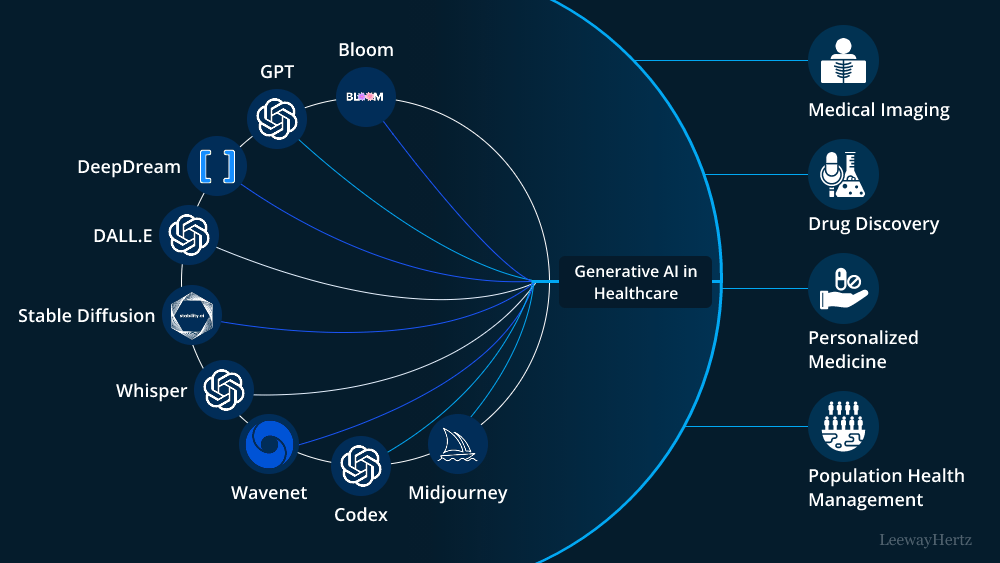
Healthcare: Revolutionizing Patient Care
1. Predictive Analytics for Early Diagnosis
One of the most significant AI use cases in healthcare is predictive analytics. AI algorithms analyze vast amounts of data from medical records, genetic information, and lifestyle factors to predict the likelihood of diseases. For instance, AI models can identify early signs of diseases like cancer or diabetes, enabling timely intervention and better patient outcomes.
2. Personalized Treatment Plans
AI is also instrumental in creating personalized treatment plans. Machine learning algorithms analyze patient data to recommend tailored treatment strategies. This approach ensures that patients receive the most effective therapies based on their unique genetic makeup and medical history, improving the efficacy of treatments and reducing side effects.
3. Robotic Surgery
Robotic surgery is another groundbreaking AI application in healthcare. AI-powered surgical robots assist surgeons in performing intricate procedures with high precision. These robots minimize human error, reduce recovery times, and improve overall surgical outcomes.
Finance: Enhancing Efficiency and Security
1. Fraud Detection
In the finance sector, AI use cases are pivotal in enhancing security. Machine learning algorithms detect fraudulent activities by analyzing transaction patterns and identifying anomalies. This real-time detection helps financial institutions prevent significant losses and protect their customers from fraud.
2. Algorithmic Trading
AI has transformed trading through algorithmic trading systems. These systems use AI to analyze market data, identify trends, and execute trades at optimal times. This automation not only increases trading efficiency but also maximizes profits by making data-driven decisions faster than human traders.
3. Personalized Banking
AI-driven personalized banking services are revolutionizing customer experiences. Chatbots and virtual assistants provide 24/7 customer support, answer queries, and offer personalized financial advice. Additionally, AI analyzes customer spending patterns to offer tailored financial products and services, enhancing customer satisfaction and loyalty.
Retail: Transforming the Shopping Experience
1. Inventory Management
AI use cases in retail include advanced inventory management systems. AI algorithms predict demand, optimize stock levels, and automate restocking processes. This ensures that retailers always have the right products in stock, reducing inventory costs and improving customer satisfaction.
2. Personalized Shopping Experiences
AI enhances the shopping experience by providing personalized recommendations. E-commerce platforms use AI to analyze customer preferences and browsing history, offering product suggestions tailored to individual tastes. This personalization increases sales and fosters customer loyalty.
3. Visual Search
Visual search technology is another innovative AI application in retail. Customers can upload images of products they like, and AI algorithms will identify similar items available for purchase. This feature simplifies the shopping process and helps retailers capture more sales by catering to customer preferences.
Manufacturing: Driving Efficiency and Innovation
1. Predictive Maintenance
In manufacturing, AI use cases such as predictive maintenance are crucial for operational efficiency. AI systems monitor equipment in real-time, predict potential failures, and schedule maintenance before breakdowns occur. This proactive approach reduces downtime, extends equipment life, and lowers maintenance costs.
2. Quality Control
AI-powered quality control systems use computer vision to inspect products for defects. These systems are faster and more accurate than human inspectors, ensuring that only high-quality products reach the market. This not only enhances customer satisfaction but also reduces waste and rework costs.
3. Supply Chain Optimization
AI optimizes supply chain operations by predicting demand, managing logistics, and automating inventory management. These AI use cases help manufacturers streamline their processes, reduce costs, and respond more effectively to market changes.
Education: Enhancing Learning Experiences
1. Personalized Learning
AI in education facilitates personalized learning experiences. Adaptive learning platforms use AI to assess students’ strengths and weaknesses, offering customized learning paths and resources. This tailored approach helps students learn at their own pace and improves educational outcomes.
2. Automated Grading
AI-powered grading systems automate the assessment of assignments and exams. This reduces the workload for educators and ensures consistent and unbiased grading. Teachers can then focus more on providing personalized support to students.
3. Virtual Tutors
AI-driven virtual tutors provide additional support to students outside the classroom. These AI systems answer questions, explain concepts, and offer practice exercises, enhancing students’ understanding and performance.
Conclusion
AI use cases span across various industries, driving innovation, efficiency, and improved outcomes. In healthcare, AI predicts diseases and personalizes treatments; in finance, it enhances security and trading efficiency; in retail, it transforms the shopping experience; in manufacturing, it drives operational efficiency; and in education, it personalizes learning. As AI technology continues to evolve, its applications will undoubtedly expand, offering even more transformative solutions across different sectors. Embracing AI will be key to staying competitive and harnessing the full potential of this revolutionary technology.
 New Tech news
Leave a comment