Introduction
Artificial Intelligence (AI) is revolutionizing industries worldwide, and banking and finance are no exceptions. The integration of AI in banking and finance is enhancing efficiency, accuracy, and customer experience, fundamentally transforming the sector. This article explores the multifaceted impact of AI on banking and finance, highlighting key applications, benefits, and future prospects.
Enhancing Customer Experience
Personalized Banking Services
AI in banking and finance is enabling institutions to provide highly personalized services to their customers. Machine learning algorithms analyze vast amounts of data to understand customer behavior, preferences, and needs. This allows banks to offer tailored product recommendations, personalized financial advice, and customized communication. For instance, AI-powered chatbots can handle customer inquiries 24/7, providing instant responses and solutions to common issues, thereby improving customer satisfaction and loyalty.
Fraud Detection and Prevention
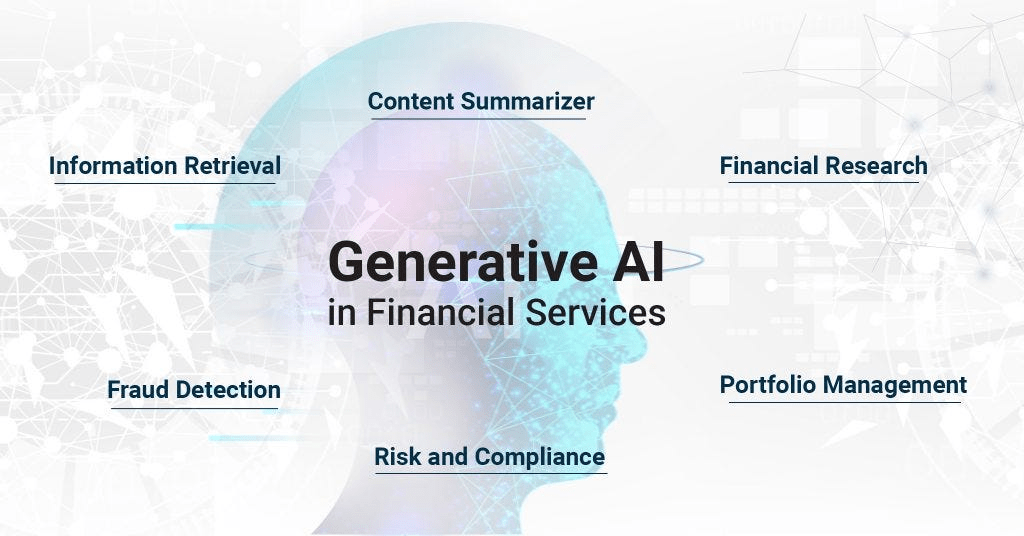
Fraud detection is a critical area where AI is making a significant impact. Traditional methods of fraud detection are often slow and reactive. AI, on the other hand, can analyze transaction patterns in real-time, identifying unusual activities and flagging potential fraud much more efficiently. By continuously learning from new data, AI systems can adapt to emerging fraud tactics, making them a robust tool for enhancing security in banking and finance.
Streamlining Operations
Automating Routine Tasks
AI in banking and finance is automating numerous routine tasks, freeing up human resources for more complex and value-added activities. Tasks such as data entry, processing loan applications, and verifying customer identities can be efficiently handled by AI-powered systems. This not only reduces the time and cost associated with these processes but also minimizes the risk of human error.
Improved Risk Management
Risk management is another critical function in banking and finance where AI is proving invaluable. AI algorithms can analyze market trends, economic indicators, and historical data to predict potential risks and provide early warnings. This proactive approach enables financial institutions to make informed decisions and take preventive measures to mitigate risks, ensuring greater stability and resilience.
Financial Advisory and Investment
Robo-Advisors
Robo-advisors are AI-driven platforms that provide automated, algorithm-based financial planning services. These platforms assess an individual’s financial situation, goals, and risk tolerance to offer personalized investment advice and portfolio management. Robo-advisors are becoming increasingly popular due to their affordability, accessibility, and efficiency compared to traditional financial advisors.
Algorithmic Trading
AI in banking and finance is also transforming the world of trading. Algorithmic trading uses AI to execute trades based on predefined criteria and market conditions. These AI systems can process vast amounts of data at high speeds, identifying trading opportunities and executing orders much faster than human traders. This not only increases the efficiency of trading operations but also has the potential to generate higher returns.
Regulatory Compliance
Ensuring Compliance
Regulatory compliance is a major challenge for financial institutions, given the complexity and ever-evolving nature of financial regulations. AI can streamline compliance processes by continuously monitoring transactions and activities to ensure they adhere to regulatory requirements. Natural Language Processing (NLP) can also be used to analyze and interpret regulatory texts, making it easier for institutions to stay updated and compliant with new regulations.
Reducing Costs
Compliance-related activities are often resource-intensive and costly. By automating these processes, AI in banking and finance can significantly reduce operational costs. This allows institutions to allocate resources more effectively and invest in other critical areas such as innovation and customer service.
Future Prospects
Continued Innovation
The future of AI in banking and finance looks promising, with continuous advancements in technology driving further innovation. Emerging technologies such as quantum computing and blockchain, combined with AI, have the potential to revolutionize the sector even further. These advancements will enable more secure transactions, faster processing times, and even more sophisticated financial products and services.
Ethical Considerations
As AI becomes more integrated into banking and finance, ethical considerations will become increasingly important. Issues such as data privacy, algorithmic bias, and the transparency of AI systems will need to be addressed to ensure that AI is used responsibly and ethically. Financial institutions will need to establish robust ethical frameworks and governance structures to guide the development and deployment of AI technologies.
Conclusion
AI in banking and finance is reshaping the industry, driving significant improvements in customer experience, operational efficiency, risk management, and regulatory compliance. As technology continues to evolve, the potential for AI to further transform the sector is immense. However, with these advancements come new challenges and responsibilities, particularly in ensuring the ethical use of AI. By embracing these technologies while addressing ethical concerns, the banking and finance industry can harness the full potential of AI to achieve unprecedented levels of efficiency, security, and customer satisfaction.
 New Tech news
Leave a comment