Understanding Demand Forecasting
Demand forecasting is the process of predicting future customer demand for a product or service. This critical activity helps businesses make informed decisions about inventory management, production planning, and resource allocation. Accurate demand forecasting ensures that a company can meet customer needs without overproducing or understocking, leading to optimized operations and increased profitability.
Traditional Methods of Demand Forecasting
Historically, demand forecasting relied on statistical methods and historical sales data. Techniques like moving averages, exponential smoothing, and regression analysis were commonly used to predict future demand. While these methods provided a foundation, they often struggled with capturing complex patterns, seasonal variations, and sudden market shifts. This is where AI in demand forecasting comes into play, offering advanced capabilities to enhance accuracy and adaptability.
AI in Demand Forecasting: A Game Changer
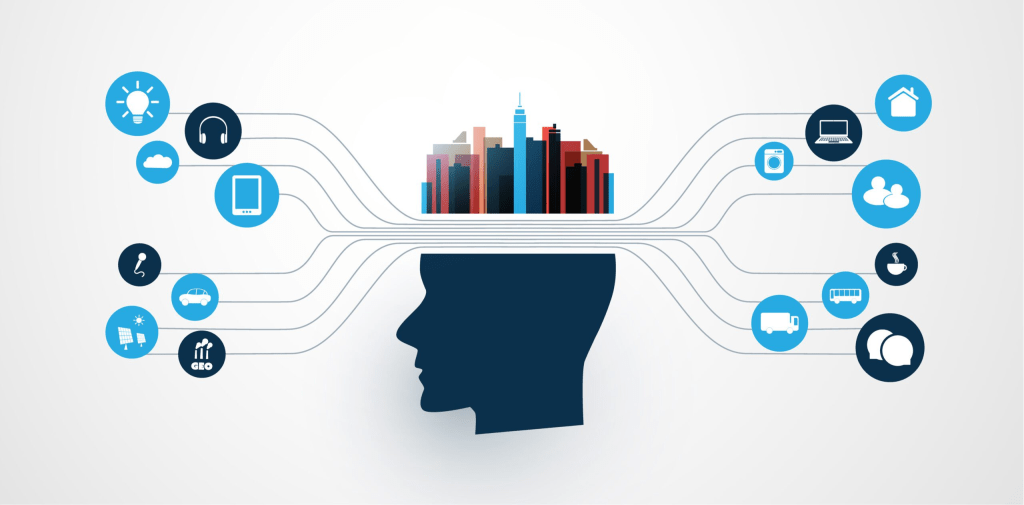
AI in demand forecasting leverages machine learning algorithms, neural networks, and big data analytics to analyze vast amounts of data and identify intricate patterns. This technology enables businesses to make more accurate predictions by considering a broader range of factors, such as market trends, consumer behavior, economic indicators, and even weather conditions. Here’s how AI transforms demand forecasting:
1. Enhanced Data Analysis
AI can process and analyze massive datasets far beyond human capability. Traditional methods might analyze historical sales data alone, but AI can incorporate diverse data sources such as social media trends, competitor analysis, and global market conditions. By integrating these variables, AI provides a more comprehensive and nuanced understanding of demand patterns.
2. Improved Accuracy
Machine learning models continuously learn and adapt from new data, improving their predictive accuracy over time. Unlike static models, AI systems evolve with changing market conditions, ensuring that forecasts remain relevant and precise. This dynamic nature of AI in demand forecasting is crucial for businesses operating in fast-paced industries.
3. Real-Time Forecasting
One of the significant advantages of AI in demand forecasting is its ability to provide real-time insights. Traditional forecasting methods often rely on periodic updates, leading to potential delays in responding to market changes. AI, on the other hand, can analyze data in real-time, allowing businesses to make immediate adjustments to their strategies based on current market dynamics.
4. Identifying Hidden Patterns
AI algorithms excel at identifying hidden patterns and correlations within data that might be overlooked by human analysts. For instance, AI can detect subtle shifts in consumer preferences or emerging trends that may not be apparent through conventional analysis. This ability to uncover hidden insights helps businesses stay ahead of the curve and anticipate changes in demand more effectively.
5. Scenario Planning and Simulation
AI-powered demand forecasting tools can simulate various scenarios based on different assumptions and variables. This capability allows businesses to explore the potential impact of different strategies and external factors on demand. By conducting “what-if” analyses, companies can make more informed decisions and develop robust contingency plans.
Practical Applications of AI in Demand Forecasting
Retail Industry
In the retail sector, AI in demand forecasting helps optimize inventory levels, reducing the risk of stockouts and overstock situations. Retailers can accurately predict demand for different products, considering factors such as seasonal trends, promotions, and regional preferences. This leads to improved customer satisfaction and reduced operational costs.
Manufacturing Sector
For manufacturers, AI-driven demand forecasting enhances production planning and resource allocation. By predicting demand fluctuations, manufacturers can adjust production schedules, optimize workforce deployment, and manage raw material procurement more efficiently. This results in streamlined operations and reduced waste.
Supply Chain Management
AI in demand forecasting plays a crucial role in supply chain management by ensuring that each stage of the supply chain operates smoothly. Accurate forecasts enable better coordination between suppliers, manufacturers, and distributors, reducing lead times and minimizing disruptions. This ultimately leads to a more resilient and responsive supply chain.
Challenges and Considerations
While the benefits of AI in demand forecasting are substantial, there are challenges to consider. Implementing AI solutions requires significant investment in technology and skilled personnel. Additionally, the accuracy of AI models depends on the quality and diversity of the data used. Businesses must ensure data integrity and address any biases that may affect predictions.
The Future of AI in Demand Forecasting
As AI technology continues to evolve, its role in demand forecasting will only become more prominent. Advances in natural language processing, computer vision, and predictive analytics will further enhance the accuracy and scope of demand forecasts. Businesses that embrace AI-driven forecasting will be better equipped to navigate the complexities of modern markets and stay competitive.
Conclusion
AI in demand forecasting represents a transformative advancement in how businesses predict and respond to market demand. By leveraging the power of machine learning and big data, companies can achieve unprecedented accuracy, agility, and efficiency in their operations. As the technology matures, its adoption will become increasingly essential for businesses aiming to thrive in a dynamic and competitive landscape.
 New Tech news
Leave a comment