Introduction
Generative AI is reshaping industries worldwide, and its impact on manufacturing is profound. By leveraging advanced algorithms and machine learning techniques, generative AI offers manufacturers unprecedented capabilities in design, optimization, and decision-making. This article explores the transformative potential of generative AI in manufacturing, examining its key applications, benefits, and future implications.
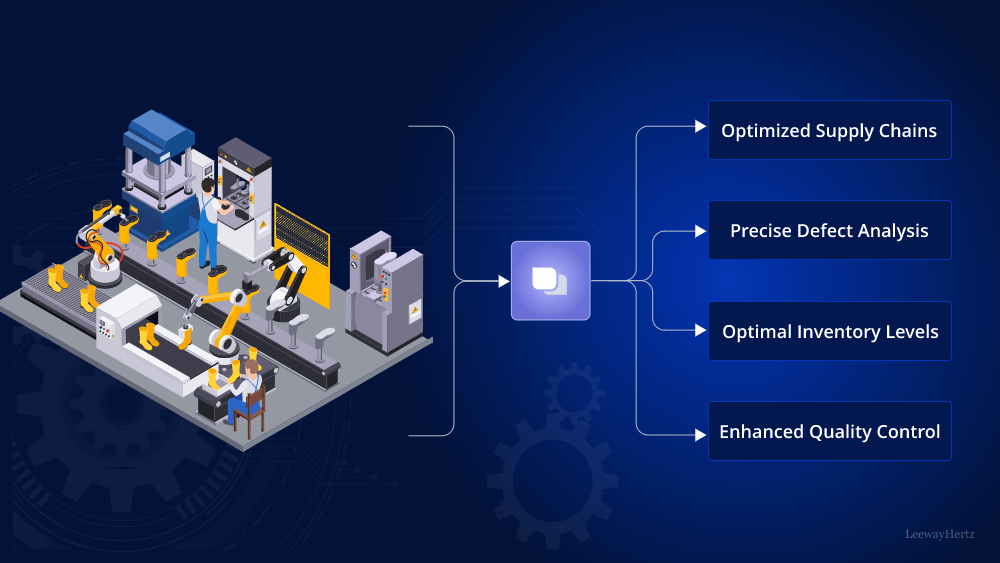
Understanding Generative AI in Manufacturing
Generative AI refers to a subset of artificial intelligence focused on creating new content or designs based on input data and predefined constraints. In manufacturing, this technology is utilized to streamline and enhance various processes traditionally driven by human intuition and experience.
Applications of Generative AI in Manufacturing
1. Design Optimization
Generative AI algorithms can autonomously generate and optimize designs based on specified parameters such as material properties, cost constraints, and performance criteria. This capability accelerates the product development cycle by rapidly exploring countless design iterations that human designers may not have considered.
2. Process Improvement
Manufacturing processes often involve complex systems where efficiency is critical. Generative AI can analyze production data to identify inefficiencies, predict maintenance needs, and optimize workflows. This proactive approach minimizes downtime, reduces waste, and enhances overall productivity.
3. Supply Chain Management
Efficient supply chain management is crucial for manufacturing success. Generative AI helps forecast demand, optimize inventory levels, and even suggest alternative suppliers based on real-time data analysis. This capability improves responsiveness to market fluctuations and reduces operational costs.
Benefits of Generative AI Adoption
1. Enhanced Innovation
By automating design exploration and optimization, generative AI empowers manufacturers to innovate faster and create products with improved performance and functionality. This fosters competitive advantage and drives market differentiation.
2. Cost Savings
Optimized designs and processes lead to reduced material waste and energy consumption. Predictive maintenance enabled by generative AI prevents costly equipment failures, while efficient supply chain management minimizes inventory holding costs and stockouts.
3. Improved Decision-Making
Generative AI provides manufacturers with data-driven insights that support informed decision-making across various operational aspects. From product design to supply chain strategy, these insights enable agile responses to dynamic market conditions.
Challenges and Considerations
While generative AI offers substantial benefits, its adoption in manufacturing is not without challenges. Data privacy concerns, integration complexities with existing systems, and the need for upskilling the workforce to utilize AI-driven insights are critical considerations. Additionally, ensuring the reliability and interpretability of AI-generated designs remains a priority to maintain product quality and safety standards.
Future Outlook and Trends
The future of generative AI in manufacturing looks promising with ongoing advancements in AI technologies and increased collaboration between industry stakeholders and AI developers. Key trends include the integration of AI with IoT for enhanced data connectivity, the rise of AI-powered digital twins for simulation and testing, and the evolution towards autonomous manufacturing systems.
Conclusion
Generative AI is revolutionizing manufacturing by optimizing processes, driving innovation, and enabling data-driven decision-making. As manufacturers embrace this technology, they position themselves to not only survive but thrive in a rapidly evolving global marketplace. By leveraging generative AI’s capabilities, businesses can achieve significant improvements in efficiency, cost-effectiveness, and competitiveness, ultimately shaping the future of manufacturing.
Final Thoughts
As generative AI continues to evolve, its impact on manufacturing will likely deepen, transforming traditional practices and opening new possibilities for growth and sustainability. Embracing this technology today prepares manufacturers for the challenges and opportunities of tomorrow’s industrial landscape.
Read More: https://www.leewayhertz.com/generative-ai-platform-for-manufacturing/
 New Tech news
Leave a comment