The hospitality industry is undergoing a significant transformation, thanks to the advent of artificial intelligence (AI). By integrating AI technologies, hotels and other hospitality businesses are enhancing guest experiences, streamlining operations, and increasing efficiency. This article explores the various ways AI is revolutionizing the hospitality industry and what it means for both businesses and guests.
Enhancing Guest Experiences with AI
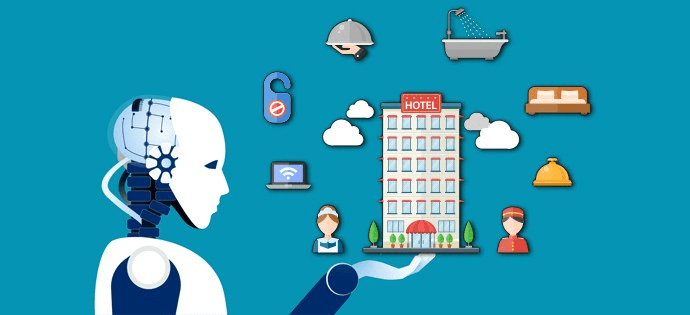
One of the most prominent impacts of AI in hospitality is the enhancement of guest experiences. AI technologies, such as chatbots and virtual assistants, provide guests with personalized and immediate assistance. These tools are available 24/7, allowing guests to ask questions, request services, and receive recommendations at any time.
For instance, AI-powered chatbots can handle common inquiries like check-in times, amenities information, and local attractions. They can also assist in booking reservations and provide personalized suggestions based on guest preferences. By offering quick and accurate responses, AI helps in reducing wait times and improving overall guest satisfaction.
Streamlining Operations
AI in hospitality is not just about guest interactions; it also plays a crucial role in streamlining internal operations. Hotels can leverage AI for various tasks, such as inventory management, energy consumption monitoring, and predictive maintenance.
For example, AI-driven systems can predict when maintenance is needed for equipment, preventing unexpected breakdowns and ensuring smooth operations. This proactive approach helps in reducing downtime and maintenance costs. Additionally, AI can optimize energy usage by analyzing patterns and adjusting settings for heating, cooling, and lighting, leading to significant cost savings and a smaller environmental footprint.
Personalized Marketing and Offers
Personalization is a key factor in modern hospitality, and AI makes it possible to tailor marketing efforts to individual guest preferences. By analyzing data from past stays, social media interactions, and booking behaviors, AI can create detailed guest profiles. These profiles enable hotels to send personalized offers and recommendations, enhancing the chances of repeat bookings.
For instance, if a guest frequently visits spa facilities, the hotel can send them special offers on spa treatments. Similarly, if a guest prefers certain types of cuisine, the hotel can recommend nearby restaurants or even customize their in-house dining experience. This level of personalization not only improves guest satisfaction but also fosters loyalty.
Dynamic Pricing and Revenue Management
AI in hospitality is transforming revenue management through dynamic pricing strategies. AI algorithms analyze various factors, such as demand patterns, market conditions, and competitor pricing, to optimize room rates in real-time. This ensures that hotels can maximize their revenue by adjusting prices based on current demand.
For example, during peak seasons or events, AI can suggest higher room rates, while during off-peak periods, it can recommend discounts to attract more guests. This dynamic pricing approach allows hotels to remain competitive and profitable, adapting quickly to market changes.
Improving Safety and Security
Safety and security are paramount in the hospitality industry, and AI technologies are enhancing these aspects as well. AI-powered surveillance systems can monitor hotel premises in real-time, identifying unusual activities and potential security threats. These systems use facial recognition and behavior analysis to alert security personnel promptly, ensuring a swift response to any incidents.
Moreover, AI can improve cybersecurity by detecting and mitigating potential threats to the hotel’s digital infrastructure. By analyzing patterns and identifying anomalies, AI systems can prevent data breaches and protect sensitive guest information.
Challenges and Future Prospects
While AI in hospitality offers numerous benefits, it also presents certain challenges. The initial cost of implementing AI technologies can be high, and there may be resistance from staff who fear job displacement. However, AI is more about augmenting human capabilities rather than replacing them. Training staff to work alongside AI tools can result in a more efficient and harmonious work environment.
Looking ahead, the prospects for AI in hospitality are promising. As AI technologies continue to evolve, their integration into the hospitality industry is expected to deepen. Future advancements may include even more sophisticated virtual assistants, advanced data analytics for predicting guest needs, and fully automated check-in and check-out processes.
Conclusion
AI in hospitality is transforming the industry by enhancing guest experiences, streamlining operations, and improving safety and security. From personalized marketing and dynamic pricing to predictive maintenance and AI-powered robots, the applications of AI are vast and varied. While challenges exist, the future of AI in hospitality looks bright, promising a more efficient, personalized, and secure environment for both guests and businesses. As the industry continues to embrace AI, the ultimate beneficiary will be the guests, who can look forward to a more seamless and enjoyable hospitality experience.
 New Tech news
Leave a comment