Introduction
Artificial Intelligence (AI) has become a transformative force in many industries, and consumer electronics is no exception. From smart TVs to voice-activated assistants, AI in consumer electronics is enhancing user experiences, offering unprecedented convenience, and revolutionizing how we interact with our devices. This article delves into the various ways AI is integrated into consumer electronics, its benefits, and the future it promises.
AI-Powered Smart Devices
Smart Homes: The Future of Living
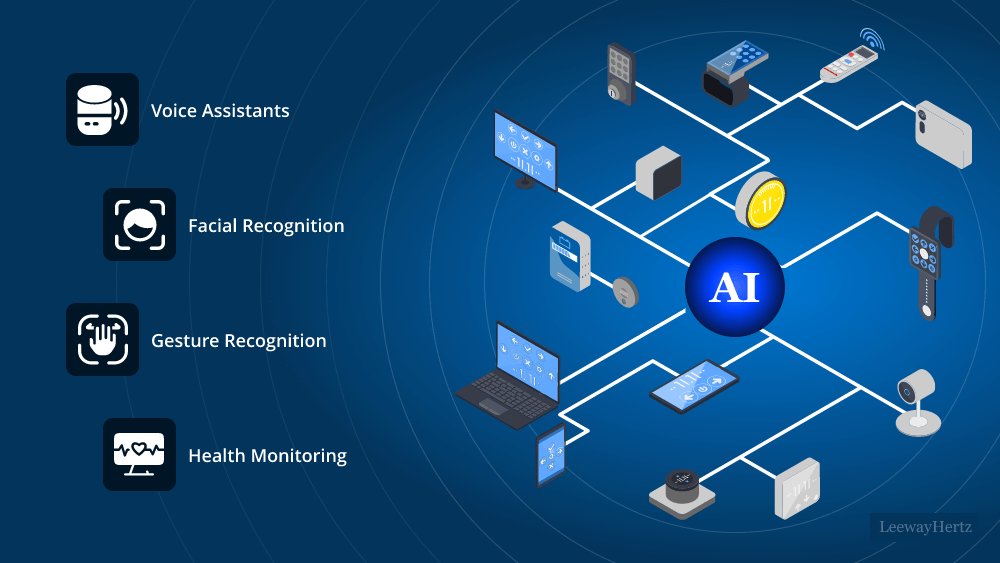
One of the most prominent areas where AI is making an impact is in smart home technology. AI-powered devices like smart thermostats, lights, and security systems are becoming increasingly popular. These devices learn user preferences and habits, optimizing energy usage and improving home security. For example, smart thermostats like the Nest Learning Thermostat use AI to learn your schedule and adjust temperatures accordingly, saving energy and reducing costs.
Enhancing Entertainment
Smart TVs and Content Recommendation
AI is also transforming the way we consume entertainment. Smart TVs equipped with AI capabilities can recommend content based on viewing habits. Platforms like Netflix and Amazon Prime Video use AI algorithms to analyze what users watch and suggest shows and movies they might enjoy. This personalized approach enhances user experience by making content discovery more intuitive and tailored to individual preferences.
Gaming: Smarter, More Immersive Experiences
In the gaming industry, AI is used to create more realistic and challenging experiences. AI-driven characters and environments adapt to players’ actions, providing a more engaging and dynamic gaming experience. Additionally, AI is used in game development to optimize graphics and performance, ensuring smoother gameplay and better visuals.
Health and Fitness
Wearable Technology: Personalized Health Insights
Wearable devices like fitness trackers and smartwatches are incorporating AI to provide more accurate health and fitness data. These devices can monitor heart rates, sleep patterns, and physical activities, offering personalized insights and recommendations. For instance, the Apple Watch uses AI to detect irregular heart rhythms and notify users, potentially saving lives by identifying health issues early.
AI in Healthcare Devices
AI is not limited to fitness; it’s also making its way into healthcare devices used at home. AI-powered blood pressure monitors and glucose meters can provide real-time feedback and health recommendations. These smart healthcare devices enable users to manage their health more effectively from the comfort of their homes.
The Impact of AI on Consumer Electronics
Improved User Experience
One of the significant benefits of AI in consumer electronics is the enhancement of user experience. AI-driven devices learn from user interactions and adapt to their preferences, providing a more personalized and intuitive experience. This adaptability ensures that devices become more efficient and user-friendly over time.
Energy Efficiency and Cost Savings
AI helps in optimizing the performance of electronic devices, leading to energy efficiency and cost savings. For example, AI algorithms in smart thermostats and appliances can reduce energy consumption by making real-time adjustments based on user behavior and environmental conditions.
Enhanced Security
AI plays a crucial role in improving the security of consumer electronics. AI-driven security systems can detect unusual activities and alert users, providing better protection for homes and personal data. Additionally, AI in smartphones helps in securing devices through facial recognition and other biometric methods.
Challenges and Considerations
Privacy Concerns
While AI offers numerous benefits, it also raises privacy concerns. AI-driven devices collect and analyze vast amounts of data, which can be a target for hackers. Ensuring the security and privacy of user data is paramount as AI continues to evolve in consumer electronics.
High Costs
The integration of AI technology can increase the cost of consumer electronics. While the long-term benefits often justify the initial investment, the high upfront cost can be a barrier for some consumers. As AI technology becomes more widespread, it’s expected that the costs will decrease, making it more accessible.
The Future of AI in Consumer Electronics
The future of AI in consumer electronics looks promising. As AI technology continues to advance, we can expect even more sophisticated and integrated devices. Future innovations may include more advanced home automation systems, AI-driven personal health assistants, and even smarter entertainment systems that can predict and adapt to our moods and preferences.
Conclusion
AI in consumer electronics is not just a trend but a significant shift towards more intelligent and responsive devices. By enhancing user experiences, improving efficiency, and offering greater convenience, AI is transforming the landscape of consumer electronics. As we look to the future, the integration of AI promises to bring even more exciting developments, making our interactions with technology smoother, smarter, and more enjoyable.
 New Tech news
Leave a comment