In the rapidly evolving world of manufacturing and production, maintaining high-quality standards is essential for ensuring customer satisfaction and operational efficiency. One of the most significant advancements in this realm is the integration of AI-powered defect detection systems. These systems are transforming the way industries detect and manage defects, leading to unprecedented levels of accuracy and efficiency. This article delves into the intricacies of AI-powered defect detection systems, exploring their benefits, working principles, and real-world applications.
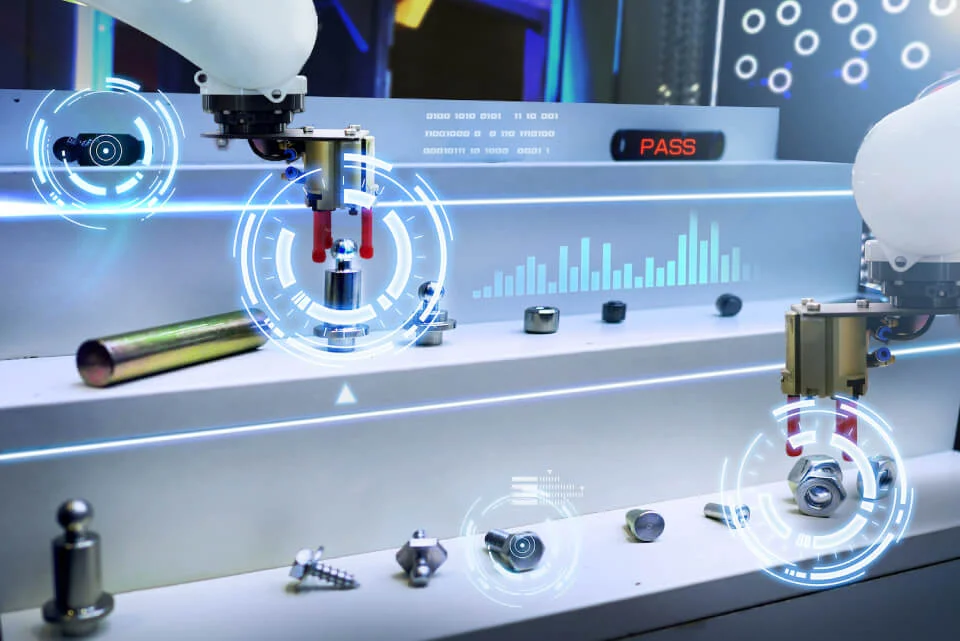
Understanding AI-Powered Defect Detection Systems
What Are AI-Powered Defect Detection Systems?
AI-powered defect detection systems leverage artificial intelligence and machine learning algorithms to identify and classify defects in products during the manufacturing process. Unlike traditional defect detection methods, which rely heavily on manual inspection or basic automated systems, AI-powered solutions utilize advanced computer vision and deep learning techniques to analyze images or sensor data with remarkable precision.
Key Components of AI-Powered Defect Detection Systems
- Data Collection: High-quality data is the cornerstone of any AI system. In defect detection, this data often comes from cameras or sensors that capture images or measurements of the products being inspected.
- Data Processing and Analysis: AI algorithms process the collected data to identify patterns and anomalies that may indicate defects. This stage involves training the AI model on a vast dataset of labeled images or signals, allowing it to learn the difference between defective and non-defective items.
- Real-Time Monitoring and Feedback: Once trained, the AI-powered system can operate in real-time, continuously monitoring production lines and providing immediate feedback when defects are detected. This allows for prompt corrective actions, minimizing the impact of defects on the final product.
Benefits of AI-Powered Defect Detection Systems
Enhanced Accuracy and Consistency
One of the most significant advantages of AI-powered defect detection systems is their ability to achieve high levels of accuracy and consistency. Human inspectors can become fatigued or inconsistent, leading to errors in defect identification. AI systems, however, can work tirelessly with the same level of precision, ensuring that even the smallest defects are detected.
Increased Efficiency and Productivity
By automating the defect detection process, AI-powered systems significantly increase the efficiency of manufacturing operations. These systems can inspect products at a much faster rate than human inspectors, reducing bottlenecks and increasing overall productivity. Moreover, the ability to detect defects early in the production process helps prevent costly rework and material waste.
Cost Savings
Implementing AI-powered defect detection systems can lead to substantial cost savings for manufacturers. By reducing the reliance on manual inspection, companies can lower labor costs. Additionally, the early detection of defects minimizes the need for expensive rework and scrap, ultimately leading to more efficient use of resources and higher profit margins.
Scalability and Flexibility
AI-powered defect detection systems are highly scalable and can be easily integrated into existing manufacturing processes. They can be adapted to different types of products and industries, making them a versatile solution for quality control. As AI technology continues to evolve, these systems can be updated and improved, ensuring that manufacturers stay ahead of the curve.
Real-World Applications of AI-Powered Defect Detection Systems
Automotive Industry
In the automotive industry, ensuring the quality and safety of components is critical. AI-powered defect detection systems are used to inspect various parts, such as engine components, body panels, and electronic systems. These systems can identify defects that may affect the performance or safety of vehicles, helping manufacturers maintain high standards and comply with regulatory requirements.
Electronics Manufacturing
The electronics industry requires precise and accurate defect detection due to the complexity and miniaturization of electronic components. AI-powered systems can inspect printed circuit boards (PCBs), chips, and other components for defects such as soldering issues, cracks, or misalignments. This ensures the reliability and functionality of electronic devices, from smartphones to medical equipment.
Textile and Apparel Industry
In the textile and apparel industry, maintaining fabric quality is essential for producing high-quality garments. AI-powered defect detection systems can analyze fabrics for defects such as holes, stains, or weaving irregularities. By identifying these issues early, manufacturers can take corrective actions and ensure that only flawless fabrics are used in production.
Food and Beverage Industry
Ensuring the safety and quality of food products is crucial in the food and beverage industry. AI-powered defect detection systems can inspect packaging for defects, such as leaks or incorrect labels, and examine food items for contaminants or deformities. This helps manufacturers meet stringent quality standards and ensure consumer safety.
Conclusion
AI-powered defect detection systems are revolutionizing the way industries approach quality control. By leveraging advanced AI algorithms and real-time monitoring capabilities, these systems offer unparalleled accuracy, efficiency, and cost savings. As AI technology continues to advance, the adoption of AI-powered defect detection systems is set to become even more widespread, driving improvements in product quality and manufacturing processes across various industries. Embracing this technology is not just a trend but a crucial step toward achieving excellence in modern manufacturing.
 New Tech news
Leave a comment