Introduction to AI for ITSM
Artificial Intelligence (AI) has revolutionized numerous industries, and IT Service Management (ITSM) is no exception. By leveraging AI technologies, organizations can streamline processes, improve decision-making, and enhance overall service delivery. This article explores the transformative impact of AI on ITSM, highlighting key benefits, challenges, and future trends.
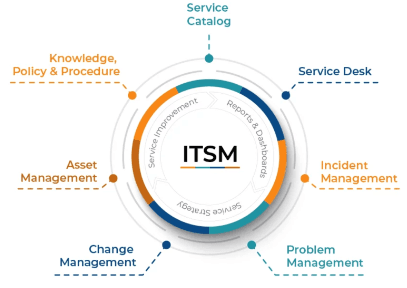
The Role of AI in ITSM
AI technologies such as machine learning, natural language processing (NLP), and predictive analytics play pivotal roles in modern ITSM frameworks. These technologies enable IT teams to automate routine tasks, analyze vast amounts of data in real-time, and proactively identify and resolve issues before they impact end-users.
Automation of Routine Tasks
One of the most significant advantages of AI for ITSM is automation. Routine tasks such as incident management, service request fulfillment, and system updates can be automated using AI-powered algorithms. For example, AI can categorize and prioritize incoming tickets based on historical data and predefined rules, ensuring faster response times and improved service levels.
Enhanced Decision-Making with Predictive Analytics
AI-powered predictive analytics allows ITSM teams to forecast trends, anticipate potential issues, and make data-driven decisions. By analyzing historical data and patterns, AI models can predict when and where IT incidents are likely to occur, enabling proactive measures to prevent disruptions and minimize downtime.
Improved User Experience through Virtual Agents
Virtual agents powered by AI and NLP technologies enhance user experience by providing instant support and guidance. These virtual agents can handle common inquiries, troubleshoot issues, and even execute tasks on behalf of users, reducing the workload on IT staff and improving overall satisfaction.
Challenges in Implementing AI for ITSM
While the benefits of AI in ITSM are substantial, implementation challenges exist. These include data privacy concerns, integration complexities with existing IT systems, and the need for specialized AI expertise within IT teams. Overcoming these challenges requires careful planning, robust cybersecurity measures, and ongoing training for IT personnel.
Future Trends in AI for ITSM
The future of AI in ITSM looks promising, with emerging trends such as AI-driven self-healing systems, augmented analytics for deeper insights, and the integration of AI with Internet of Things (IoT) devices. These advancements will further optimize ITSM processes, reduce operational costs, and enhance organizational agility in responding to evolving business needs.
Conclusion
In conclusion, AI represents a game-changing technology for IT Service Management, offering unparalleled opportunities to streamline operations, improve service delivery, and enhance the overall user experience. By leveraging AI technologies such as machine learning and predictive analytics, organizations can transform their ITSM practices from reactive to proactive, paving the way for increased efficiency and innovation in the digital era.
As organizations continue to adopt AI for ITSM, it is essential to address challenges effectively and stay abreast of emerging trends to fully capitalize on the potential benefits. With careful planning, strategic implementation, and a focus on continuous improvement, AI will undoubtedly play a pivotal role in shaping the future of IT Service Management across industries worldwide.
 New Tech news
Leave a comment