Predictive maintenance is a proactive approach that anticipates equipment failures before they happen. At the forefront of this innovative strategy is Artificial Intelligence (AI), which brings unprecedented precision and efficiency. AI in predictive maintenance is transforming industries by reducing downtime, minimizing costs, and enhancing productivity.
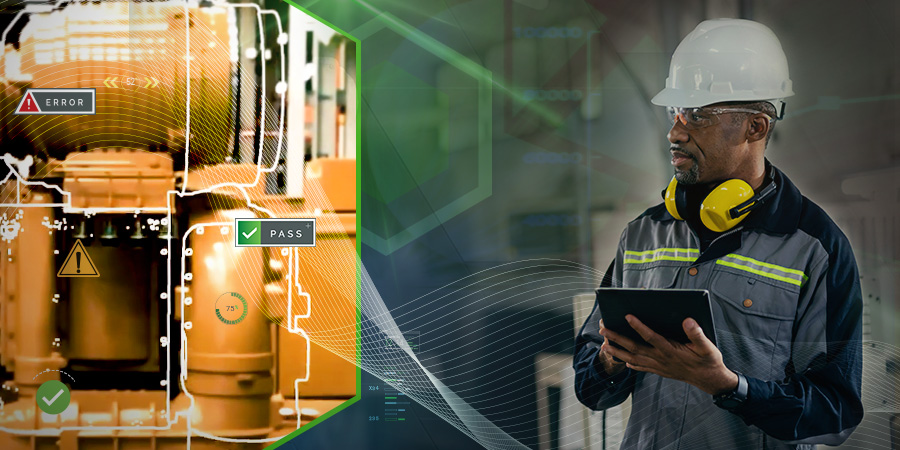
Understanding Predictive Maintenance
Predictive maintenance (PdM) uses data analysis to predict when equipment failure might occur. This approach contrasts with reactive maintenance (fixing equipment after failure) and preventive maintenance (regularly scheduled maintenance regardless of equipment condition). The goal of PdM is to perform maintenance at a point in time just before the failure occurs, thus minimizing downtime and avoiding the costs associated with unexpected breakdowns.
The Role of AI in Predictive Maintenance
AI enhances predictive maintenance by processing vast amounts of data and identifying patterns that humans might miss. Here are the key ways AI is revolutionizing predictive maintenance:
Data Collection and Analysis
AI-powered systems can collect data from various sources, such as sensors, machines, and historical maintenance records. This data includes temperature, vibration, noise levels, and other operational parameters. AI algorithms analyze this data to identify patterns and anomalies that indicate potential issues. By continually learning from the data, AI systems improve their predictive accuracy over time.
Machine Learning Models
Machine learning, a subset of AI, is particularly effective in predictive maintenance. Machine learning models can be trained on historical data to recognize signs of wear and tear or impending failure. These models can predict the remaining useful life (RUL) of equipment, allowing maintenance teams to schedule interventions precisely when needed.
Real-time Monitoring
AI enables real-time monitoring of equipment conditions. Sensors attached to machines transmit data continuously to AI systems, which process this information in real time. If the AI detects any deviations from normal operating conditions, it can alert maintenance teams immediately. This early warning system helps prevent unplanned downtime and costly repairs.
Benefits of AI in Predictive Maintenance
Integrating AI in predictive maintenance offers numerous benefits, transforming how industries manage their equipment and resources.
Reduced Downtime
Unplanned downtime can be incredibly costly for businesses. AI in predictive maintenance helps to minimize this by predicting failures before they occur. By addressing issues proactively, companies can keep their operations running smoothly and avoid the high costs associated with unexpected breakdowns.
Cost Savings
Traditional maintenance strategies can be expensive due to unnecessary inspections and replacements. AI-driven predictive maintenance ensures that maintenance activities are only performed when necessary, reducing labor and material costs. Moreover, preventing major failures can save significant amounts of money by avoiding catastrophic repairs.
Extended Equipment Life
By identifying and addressing potential issues early, AI helps extend the lifespan of equipment. Proper maintenance at the right time prevents further damage and ensures that machines operate efficiently for longer periods. This longevity translates into better return on investment (ROI) for companies.
Improved Safety
Equipment failures can pose serious safety risks to workers. AI in predictive maintenance enhances workplace safety by predicting and preventing such failures. Early detection of problems means that maintenance can be carried out under controlled conditions, reducing the likelihood of accidents.
Enhanced Productivity
When machines operate reliably, production processes become more efficient. AI ensures that equipment is always in optimal condition, leading to higher productivity levels. Companies can meet production targets more consistently and deliver products on time.
Real-world Applications of AI in Predictive Maintenance
Several industries are leveraging AI in predictive maintenance to achieve remarkable results:
Manufacturing
In manufacturing, AI helps monitor machinery, predict breakdowns, and optimize maintenance schedules. Companies like Siemens and General Electric use AI-driven solutions to enhance the reliability of their production lines, leading to significant cost savings and improved output.
Transportation
AI in predictive maintenance is revolutionizing the transportation sector. Airlines, for example, use AI to monitor aircraft components and predict maintenance needs. This ensures that planes are always in safe operating condition, reducing delays and enhancing passenger safety.
Energy
The energy sector, particularly oil and gas, relies heavily on AI for predictive maintenance. By monitoring pipelines, pumps, and other critical infrastructure, AI helps prevent leaks and failures, ensuring a steady supply of energy and reducing environmental risks.
Utilities
Utilities use AI to monitor and maintain power grids and water systems. Predictive maintenance helps prevent outages and ensures the continuous delivery of essential services to consumers.
Challenges and Future Prospects
Despite its many advantages, implementing AI in predictive maintenance comes with challenges. These include the high cost of initial setup, the need for specialized skills to manage AI systems, and data privacy concerns. However, as technology advances and becomes more accessible, these challenges are likely to diminish.
The future of AI in predictive maintenance looks promising. Advances in machine learning, sensor technology, and data analytics will further enhance the accuracy and efficiency of predictive maintenance systems. As more industries adopt these technologies, the benefits will continue to grow, leading to more reliable and cost-effective operations.
Conclusion
AI in predictive maintenance is a game-changer, offering unparalleled insights and efficiencies. By accurately predicting equipment failures and optimizing maintenance schedules, AI helps industries reduce downtime, save costs, and enhance productivity. As technology continues to evolve, the integration of AI in predictive maintenance will become even more essential, driving innovation and growth across various sectors.
 New Tech news
Leave a comment