Introduction
In the ever-evolving landscape of global commerce, efficiency in logistics and supply chain management is paramount. With the emergence of Artificial Intelligence (AI), businesses are experiencing a transformative shift in the way they manage their supply chains. From predictive analytics to autonomous vehicles, AI is reshaping the logistics industry, optimizing operations, and driving unparalleled efficiency.
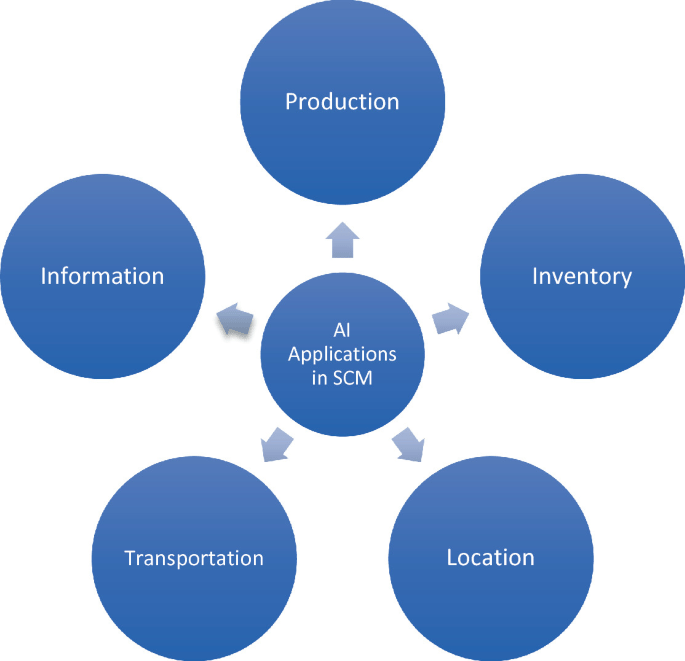
Understanding AI in Logistics
AI in logistics and supply chain management refers to the integration of advanced technologies such as machine learning, natural language processing, and robotics to streamline processes and enhance decision-making. By leveraging AI-powered algorithms, businesses can analyze vast amounts of data in real-time, anticipate demand fluctuations, and optimize routes for transportation, ultimately reducing costs and improving customer satisfaction.
Predictive Analytics for Demand Forecasting
One of the key applications of AI in logistics is predictive analytics for demand forecasting. Traditional methods often rely on historical data and manual analysis, leading to inaccuracies and inefficiencies. However, AI algorithms can analyze multiple variables, including market trends, seasonal fluctuations, and even social media sentiment, to predict future demand with unprecedented accuracy. By anticipating demand patterns, businesses can optimize inventory levels, minimize stockouts, and ensure timely deliveries, thus enhancing overall operational efficiency.
Optimized Route Planning with AI
Another significant benefit of AI in logistics is optimized route planning. With the proliferation of GPS technology and real-time data analytics, AI algorithms can dynamically adjust routes based on traffic conditions, weather forecasts, and delivery priorities. By optimizing routes, businesses can minimize fuel consumption, reduce transportation costs, and improve delivery speed. Moreover, AI-powered route planning enables companies to respond swiftly to unforeseen disruptions, such as road closures or accidents, ensuring uninterrupted supply chain operations.
Warehouse Automation and Robotics
Warehouse automation is another area where AI is revolutionizing the logistics industry. From autonomous robots to automated picking systems, AI-powered technologies are streamlining warehouse operations and increasing productivity. These robots can navigate warehouse environments, retrieve products, and transport them to designated locations with precision and efficiency. By automating repetitive tasks, businesses can minimize human error, accelerate order fulfillment, and optimize warehouse space utilization, ultimately improving overall operational efficiency and reducing labor costs.
Enhanced Supply Chain Visibility
AI is also enhancing supply chain visibility, allowing businesses to track the movement of goods in real-time across the entire supply chain network. By integrating IoT sensors, RFID tags, and blockchain technology, companies can monitor inventory levels, track shipments, and identify potential bottlenecks or delays proactively. This increased visibility enables businesses to make informed decisions, mitigate risks, and optimize inventory management, ensuring seamless supply chain operations and improved customer satisfaction.
AI-Powered Inventory Management
Effective inventory management is critical for optimizing supply chain performance, balancing supply and demand, and minimizing carrying costs. AI-powered inventory management systems leverage machine learning algorithms to analyze historical sales data, seasonal trends, and market dynamics to optimize inventory levels and replenishment strategies. By automating inventory replenishment, businesses can reduce stockouts, minimize excess inventory, and improve cash flow, thus enhancing overall operational efficiency and profitability.
Conclusion
In conclusion, AI is revolutionizing the logistics and supply chain industry, enabling businesses to optimize operations, reduce costs, and enhance customer satisfaction. From predictive analytics to warehouse automation, AI-powered technologies are transforming every aspect of the supply chain, making it more agile, responsive, and efficient. As businesses continue to embrace AI, they will unlock new opportunities for innovation and growth, solidifying their competitive advantage in the global marketplace. Embracing AI in logistics and supply chain management isn’t just a technological advancement; it’s a strategic imperative for success in today’s dynamic business environment.
 New Tech news
Leave a comment