Introduction:
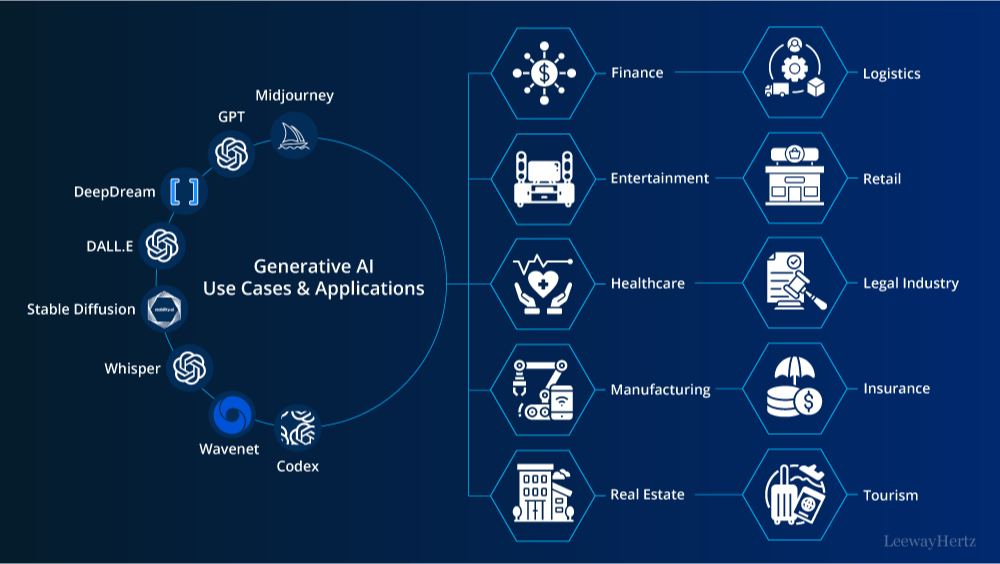
In today’s rapidly evolving financial landscape, private equity and principal investment firms are increasingly turning to artificial intelligence (AI) to gain a competitive edge. By harnessing the power of AI, these firms can unlock new insights, streamline processes, and make data-driven decisions with greater precision and efficiency. This article explores the diverse array of AI use cases and applications in private equity and principal investment, showcasing how technology is revolutionizing the industry.
Understanding AI in Private Equity & Principal Investment:
Private equity and principal investment firms are tasked with identifying investment opportunities, conducting due diligence, and maximizing returns for investors. Traditionally, these processes have relied heavily on manual analysis and human expertise. However, the advent of AI has ushered in a new era of innovation, enabling firms to leverage advanced algorithms and machine learning models to enhance every stage of the investment lifecycle.
Identifying Investment Opportunities:
One of the primary challenges for private equity and principal investment firms is identifying promising investment opportunities amidst vast amounts of data. AI-powered tools offer a solution by automating the process of market research and data analysis. By analyzing market trends, consumer behavior, and financial metrics, AI algorithms can identify potential targets that align with the firm’s investment strategy. These tools enable firms to efficiently screen and prioritize opportunities, allowing them to focus their resources on the most promising prospects.
Enhancing Due Diligence:
Due diligence is a critical phase in the investment process, requiring thorough analysis of a target company’s financial performance, operational efficiency, and market positioning. AI technologies play a pivotal role in enhancing due diligence by automating data collection and analysis. Natural language processing (NLP) algorithms can sift through vast amounts of unstructured data, such as financial reports, news articles, and industry publications, to extract key insights and identify potential risks and opportunities. Additionally, machine learning models can predict future performance based on historical data, providing valuable insights into the target company’s growth prospects and valuation.
Optimizing Portfolio Management:
Once an investment is made, private equity and principal investment firms must actively manage their portfolio to maximize returns and minimize risks. AI-driven portfolio management tools offer real-time insights into portfolio performance, enabling firms to identify underperforming assets, optimize asset allocation, and implement proactive strategies to enhance returns. Advanced predictive analytics can assess the impact of various factors, such as market volatility and macroeconomic trends, on portfolio performance, allowing firms to make informed decisions and adjust their investment strategy accordingly.
Improving Decision-Making:
AI technologies empower decision-makers within private equity and principal investment firms to make data-driven decisions with confidence. By leveraging predictive analytics and advanced modeling techniques, firms can assess the potential outcomes of different investment scenarios and evaluate the risk-return profile of each opportunity. AI algorithms can analyze historical data to identify patterns and trends, enabling firms to make informed investment decisions based on empirical evidence rather than intuition or guesswork. This data-driven approach enhances transparency and accountability, fostering trust among investors and stakeholders.
Streamlining Operations:
In addition to enhancing investment decisions, AI technologies can streamline the operational processes within private equity and principal investment firms. Automation tools can handle routine tasks such as data entry, document processing, and compliance reporting, freeing up valuable time for investment professionals to focus on high-value activities. AI-powered workflow optimization can improve efficiency and scalability, allowing firms to manage larger portfolios with fewer resources. Furthermore, machine learning algorithms can identify inefficiencies and bottlenecks in operational workflows, enabling firms to optimize processes and drive continuous improvement.
Mitigating Risk:
Risk management is a top priority for private equity and principal investment firms, given the inherent uncertainties and complexities of the investment landscape. AI offers powerful risk mitigation capabilities by analyzing vast amounts of data to identify potential risks and vulnerabilities. Machine learning algorithms can detect patterns indicative of fraud, financial irregularities, or market manipulation, enabling firms to mitigate risks before they escalate. Additionally, AI-driven predictive analytics can assess the impact of external factors, such as regulatory changes or geopolitical events, on investment portfolios, allowing firms to proactively adjust their risk exposure.
Conclusion:
The integration of AI technologies is revolutionizing the private equity and principal investment industry, enabling firms to unlock new opportunities, mitigate risks, and enhance decision-making processes. From identifying investment opportunities to optimizing portfolio management, AI offers a wide range of applications that empower firms to achieve superior returns and deliver value to investors. As AI continues to evolve and mature, its impact on the financial sector will only continue to grow, shaping the future of private equity and principal investment for years to come.
 New Tech news
Leave a comment