In the realm of artificial intelligence (AI), one of the most intriguing and rapidly advancing fields is that of generative AI. This cutting-edge technology empowers machines to produce content that is remarkably similar to what a human would create, ranging from images and text to music and even entire video sequences. The potential applications of generative AI span across various industries, from entertainment and marketing to healthcare and finance.
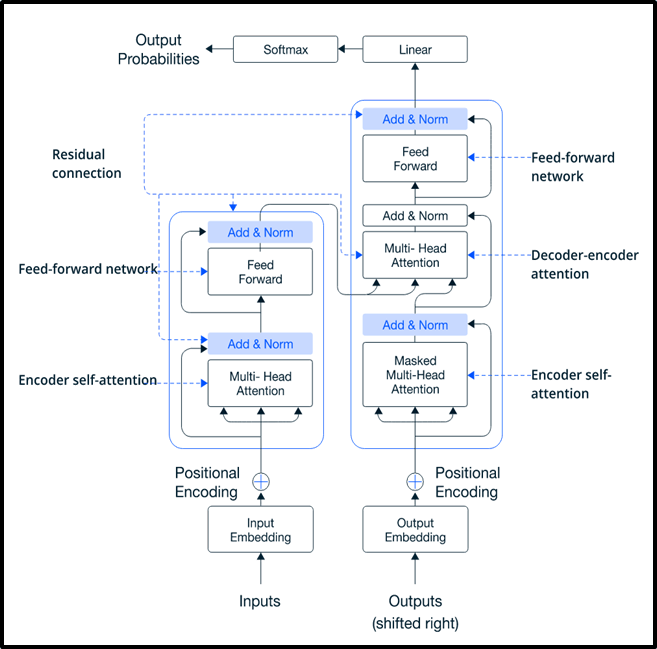
Understanding Generative AI
Generative AI operates on the principle of learning from data to create new, original content. Unlike traditional AI models, which are typically task-specific and deterministic, generative AI models are trained on large datasets and can generate diverse outputs based on the patterns and structures present in the data.
Key Components of Generative AI Solutions
Building a generative AI solution requires a combination of expertise in AI algorithms, data engineering, and domain-specific knowledge. Here are the key components to consider:
1. Data Collection and Preprocessing
The foundation of any AI model is quality data. For generative AI, this entails collecting a diverse range of examples relevant to the desired output, whether it’s images, text, or other forms of media. Preprocessing the data involves cleaning, normalizing, and augmenting it to ensure optimal performance during training.
2. Choosing the Right Architecture
Generative AI models come in various architectures, each suited for different types of tasks. Some popular architectures include Generative Adversarial Networks (GANs), Variational Autoencoders (VAEs), and Transformers. Selecting the appropriate architecture depends on factors such as the nature of the input data, the desired output format, and computational resources available.
3. Training and Fine-Tuning
Training a generative AI model involves feeding it with the prepared data and optimizing its parameters through iterative learning. Fine-tuning the model may be necessary to improve its performance and ensure that the generated outputs meet the desired quality standards. This process often requires significant computational resources and expertise in machine learning techniques.
4. Evaluation and Validation
Once the model is trained, it’s essential to evaluate its performance using metrics relevant to the specific task. Validation techniques such as cross-validation and test datasets help ensure that the model generalizes well to unseen data and produces reliable outputs in real-world scenarios.
Practical Applications of Generative AI
Generative AI has diverse applications across various industries:
- Art and Design: Generative AI can assist artists and designers in creating novel visual concepts, generating music compositions, and even designing products with unique aesthetics.
- Content Creation: In media and entertainment, generative AI can automate the generation of articles, scripts, and visual effects, speeding up production processes and fostering creativity.
- Healthcare: In healthcare, generative AI can analyze medical images, generate synthetic patient data for research purposes, and even assist in drug discovery and development.
- Finance: Generative AI models can simulate financial scenarios, generate synthetic financial data for training predictive models, and automate tasks such as risk assessment and fraud detection.
Conclusion
Building a generative AI solution requires a multidisciplinary approach, combining expertise in AI algorithms, data engineering, and domain knowledge. By understanding the key components and applications of generative AI, organizations can unlock new possibilities for innovation and creativity across various industries.
To delve deeper into the process of building a generative AI solution, check out this comprehensive guide on How to build a generative AI solution.
 New Tech news
Leave a comment